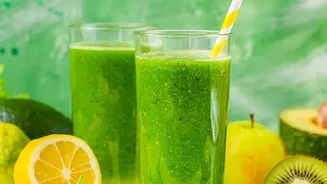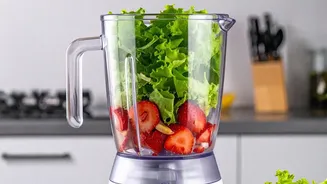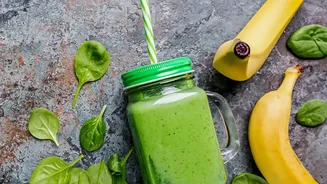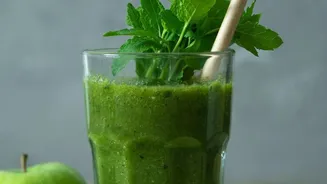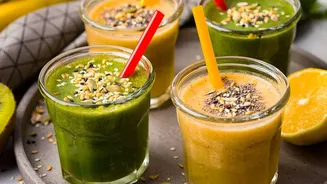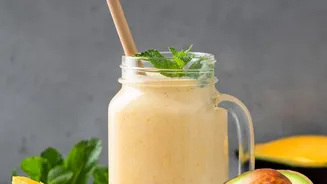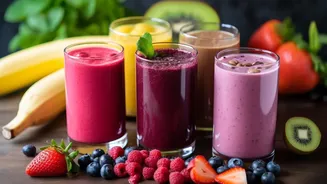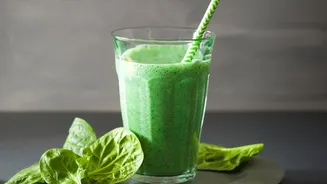






The Allure of the Liquid Meal
It’s easy to see why smoothies are so popular. They are convenient, versatile, and offer a delicious way to boost your fruit and vegetable intake. For those who skip breakfast or need a fast, on-the-go option, blending up a nutrient-rich drink seems like
a perfect solution. The possibilities feel endless, with countless combinations of fruits, vegetables, and other ingredients to create new flavour sensations. The health halo around them is strong; they are marketed as a cornerstone of wellness culture, synonymous with detoxes, clean eating, and fitness goals. This perception has helped build a multi-billion dollar industry. However, the very convenience that makes them appealing can also be their downfall if not approached with a little knowledge and mindfulness.
When Healthy Becomes a Hindrance
Many commercially prepared and even homemade smoothies can quickly go astray. A common mistake is overloading on fruit or using fruit juice as a base. While fruit is healthy, it contains natural sugars, and in large quantities, this can lead to a significant calorie and sugar load. Some popular smoothie chain drinks can contain alarming amounts of added sugar, sometimes as much as a can of soda, turning a supposedly healthy choice into a sugar bomb. Another pitfall is the issue of satiety. Research suggests that liquid calories are often less filling than solid ones. The physical act of chewing and the time it takes for solid food to digest send stronger fullness signals to the brain. A smoothie is consumed much faster, and your brain may not register the calories in the same way, potentially leaving you feeling hungry again sooner.
Building a Better, Balanced Smoothie
The key to a truly healthy smoothie is balance. Instead of thinking of it as a fruit-fest, think of it as a complete meal in a glass. A well-constructed smoothie should contain four key elements: a source of protein, healthy fat, fibre, and a liquid base that isn't just sugar. Protein is crucial for keeping you full and satisfied. Good sources include Greek yogurt, cottage cheese, or a quality protein powder. Healthy fats, such as a spoonful of nut butter, chia seeds, or a quarter of an avocado, also aid in satiety and provide essential nutrients. Fibre, which you get from whole fruits, vegetables like spinach or kale, and additions like flax seeds, helps slow digestion and stabilise blood sugar levels. For the liquid, opt for water, unsweetened plant-based milk, or regular milk instead of sugary fruit juices.
Portion Control is Paramount
This brings us to the most important rule: portion size. Even a perfectly balanced smoothie can contribute to weight gain if the portion is too large. A helpful guideline for a single serving is to aim for about one cup of fruit total. If you are using multiple fruits, be mindful of the combined amount. For a meal-replacement smoothie, a total volume of around 350-450 ml is a reasonable target. Using a smaller glass or blender cup can be a simple psychological trick to help manage portions. If you find you've made too much, don't feel obligated to drink it all. A great tip is to pour leftovers into an ice cube tray and freeze them for a head start on your next smoothie.
A Tool, Not a Magic Bullet
It’s vital to view smoothies as just one component of a healthy diet, not a guaranteed shortcut to weight loss. Relying solely on liquid meals can be unsustainable and may lead to regaining weight once you return to solid foods. The goal is not to replace the experience of eating, but to have a convenient, nutritious option for when you need it. When used correctly, a smoothie can absolutely support weight management goals by replacing a higher-calorie meal with a controlled, nutrient-dense alternative, helping you maintain a calorie deficit. However, if you're drinking a high-calorie smoothie in addition to your regular meals, it will simply add to your total calorie intake.