


The Heart of the Dish: Gochujang
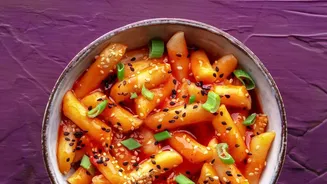
Before we build our bowl, let's talk about the star ingredient: gochujang. This Korean chili paste is not just about heat; it's a complex, fermented condiment with a deep, savory flavor, a hint of sweetness, and a satisfying spiciness. Made from red chili powder,
glutinous rice, fermented soybeans, and salt, it’s a cornerstone of Korean cuisine, used in everything from stews like gochujang jjigae to marinades. Its history dates back centuries, with chili peppers being introduced to Korea around the 16th century and quickly becoming integral to the nation's culinary identity. Today, it’s a global phenomenon, beloved for the unique umami punch it brings to any dish it touches.
Embracing 'Korean-Inspired'
Calling this dish 'Korean-inspired' is a deliberate and respectful choice. It acknowledges that while we are using a key Korean ingredient, we are not attempting to replicate a traditional dish with rigid precision. Authenticity in food is complex; even within Korea, recipes for classics like kimchi vary from family to family. An inspired dish takes a core flavor profile—in this case, the sweet and savory heat of gochujang—and uses it as a launchpad for a new creation. It's an act of appreciation, not appropriation, celebrating the flavors of Korean cooking while making them accessible and adaptable in a home kitchen. This bowl is a homage, designed to introduce the incredible world of Korean flavors to more people.
Mastering the Crispy Tofu
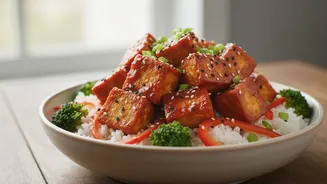
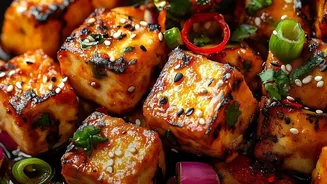
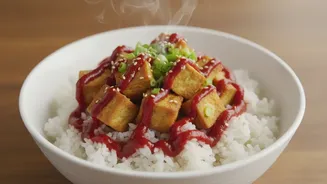
The secret to a great tofu bowl is achieving that perfect, crispy texture. Start with a block of firm or extra-firm tofu. Pressing it for at least 15-20 minutes is a crucial step; removing excess water helps the tofu get crispier when cooked. Once pressed, tear or cut the tofu into bite-sized cubes. Tearing it creates more jagged edges, which are fantastic for catching the sauce later. Toss the tofu pieces in a bowl with a tablespoon or two of cornstarch until they are lightly coated—this is the key to a crunchy exterior. Pan-fry the tofu in a little oil over medium-high heat until all sides are golden brown and crispy, which usually takes about 8-10 minutes. Set the crispy tofu aside while you prepare the sauce.
The Ultimate Gochujang Glaze
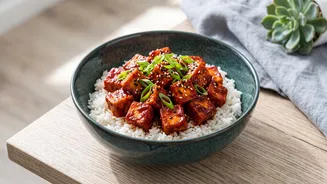
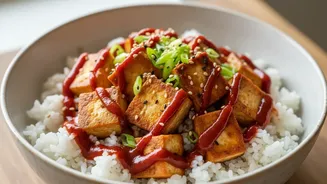
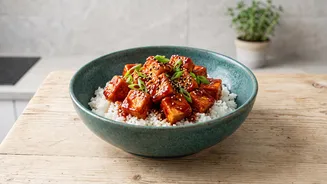
This sauce is where the magic happens, bringing everything together. It's a simple whisk-together affair that perfectly balances all the core flavor profiles. In a small bowl, combine about 3 tablespoons of gochujang paste with 2 tablespoons of soy sauce (or tamari for a gluten-free option), 2 tablespoons of maple syrup or honey for sweetness, 1 tablespoon of rice vinegar for a touch of acid, 1 tablespoon of toasted sesame oil for its nutty aroma, and two minced garlic cloves. Whisk everything together until smooth. Once your tofu is crisped, you can return it to the pan, pour the sauce over, and toss gently on low heat until the glaze thickens and beautifully coats every piece.
Assembling Your Perfect Bowl
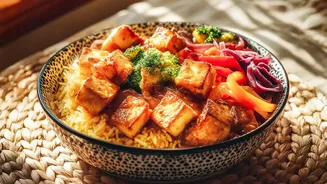
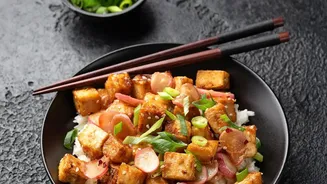
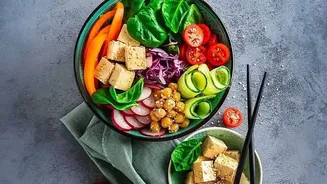
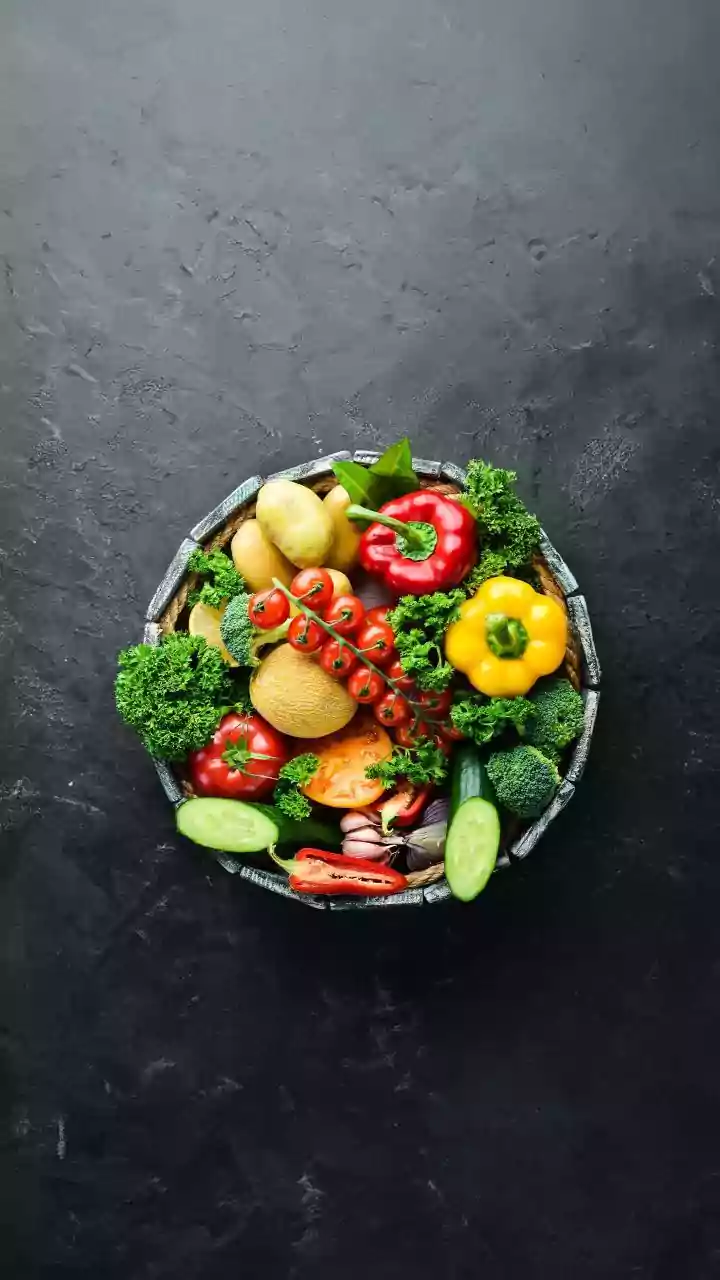
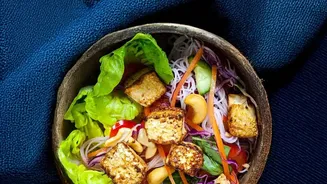
Now for the fun part: building your bowl. A bed of warm, fluffy rice is the traditional foundation. From there, it's all about a colorful assembly of vegetables, which add texture, freshness, and nutrients. Think like you're building a bibimbap, the classic Korean mixed rice bowl. Lightly sautéed spinach, julienned carrots, blanched bean sprouts, and thinly sliced cucumbers are all excellent choices. You can also add edamame, sautéed shiitake mushrooms, or even some quick-pickled radish. Arrange your chosen vegetables around the edge of the bowl, pile the glorious gochujang tofu in the center, and garnish with a sprinkle of toasted sesame seeds and sliced spring onions for a fresh finish.