


What Exactly Is Podi?
Podi, which simply means 'powder' in several South Indian languages, is a coarse, dry spice blend that serves as a powerful condiment. Often called 'gunpowder' for its explosive flavour, it's a staple in countless households, with each family treasuring
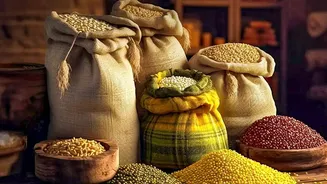
its own secret recipe. The most common variety, idli podi (or milagai podi), is traditionally made by dry-roasting and grinding a mixture of lentils like urad dal and chana dal, dried red chillies, sesame seeds, and salt. The result is a wonderfully aromatic, nutty, and spicy powder that adds instant complexity to any dish it graces. Beyond the classic, there's a universe of podis, from those featuring curry leaves (karivepaku podi) and peanuts (palli podi) to modern variations with flaxseed.
The Podi Idli Transformation
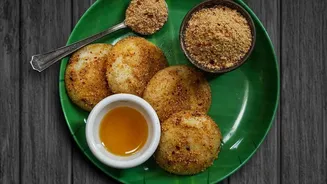
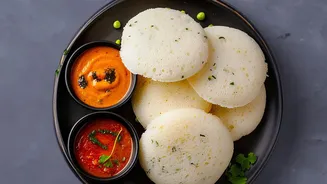
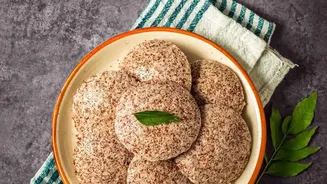
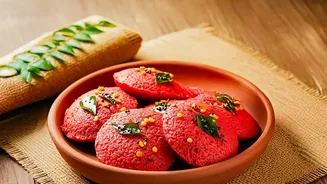
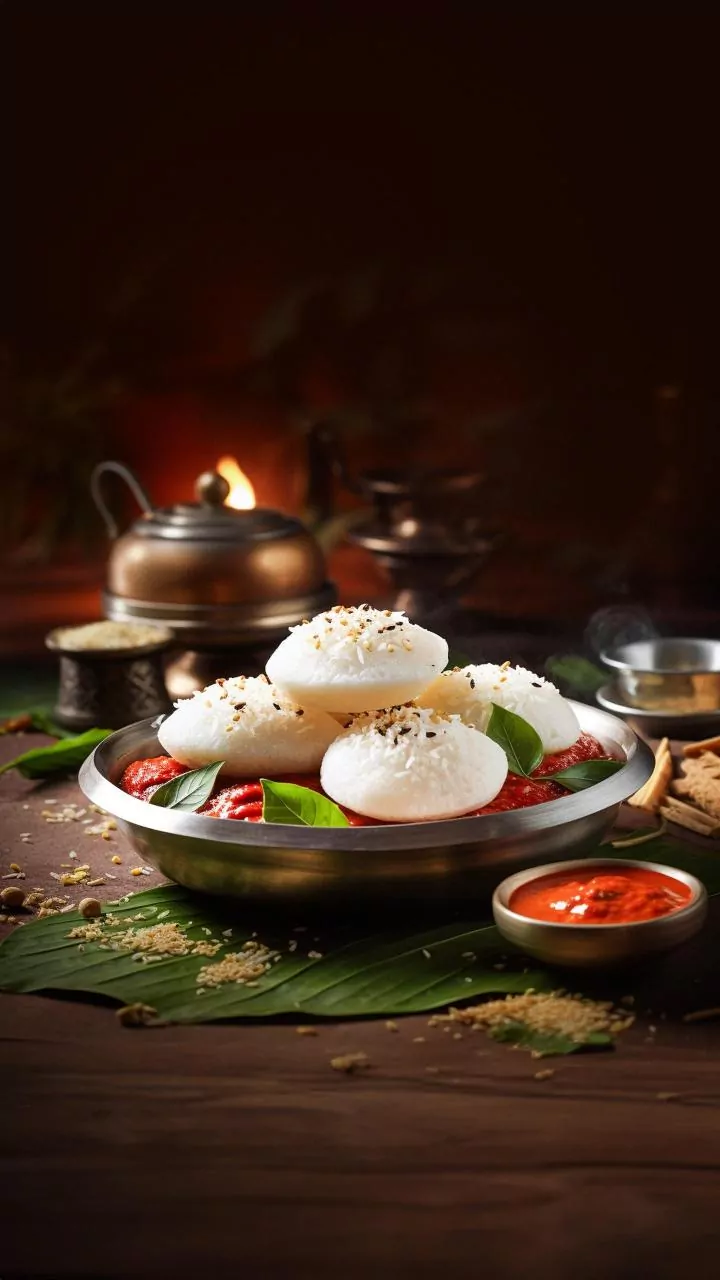
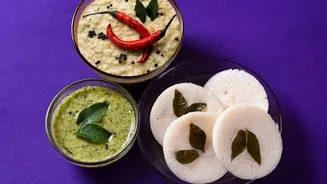
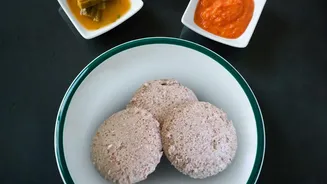
So, what happens when this flavourful powder meets the simple idli? The result is podi idli, a dish that is much more than the sum of its parts. This makeover is brilliant for several reasons. Firstly, it's a fantastic way to use leftover idlis, transforming them from a slightly tired snack into an exciting new meal. The process of tossing the idlis in hot ghee or oil creates a delightful textural contrast: the exterior becomes lightly crisp while the inside remains pillowy soft. The podi, woken up by the heat, clings to every surface, infusing the idlis with its spicy, roasted flavour. It’s a convenient, quick, and incredibly satisfying dish that works perfectly as a tiffin lunch, a travel snack, or a speedy weeknight dinner.
How to Make Podi Idli at Home
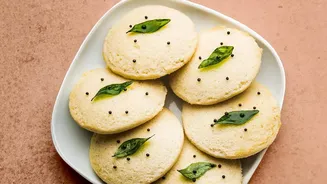
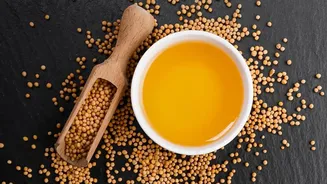
The beauty of podi idli lies in its simplicity. You don't need a formal recipe, just a method. Start with your idlis; leftover, chilled idlis work wonderfully. You can use them whole if they're mini idlis or cut regular-sized ones into bite-sized cubes. Heat a bit of ghee or gingelly (sesame) oil in a pan. For an extra layer of flavour, you can create a quick tadka by spluttering some mustard seeds and adding a few curry leaves. Next, add the idli pieces to the pan and toss them until they are lightly golden and heated through. Now for the magic: turn the heat down, sprinkle your idli podi generously over the idlis, and toss everything together until each piece is well-coated. The goal is to have the podi cling to the idlis, not to cook it further. Serve immediately, just as they are.
Variations and Serving Ideas
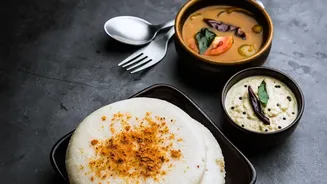
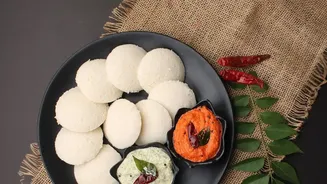
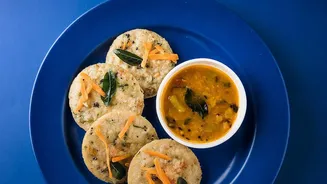
Once you’ve mastered the basic technique, feel free to experiment. Many enjoy adding finely chopped onions to the pan after the mustard seeds, sautéing them until translucent before adding the idlis for a touch of sweetness and crunch. A final squeeze of lime juice can brighten up all the flavours. While podi idli is flavourful enough to be eaten on its own, it also pairs beautifully with a simple side of coconut chutney or a cooling bowl of curd. You can also garnish it with freshly chopped coriander leaves for a bit of freshness. The type of podi you use will also dramatically change the final dish. A fiery Andhra-style podi will deliver a powerful kick, while a paruppu podi with more lentils will offer a milder, nuttier flavour. The possibilities are as varied as the podis themselves.