






The Rise of the Electric SUV
For years, the Indian automotive market has been dominated by a love for SUVs. Their high ground clearance tackles challenging roads, while the commanding driving position and spacious interiors appeal to family needs and aspirations. Now, this popular
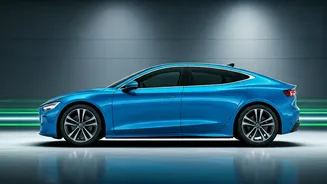
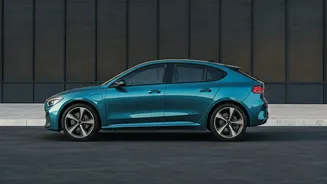
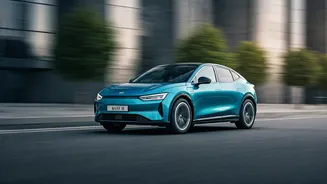
format is merging with the electric wave. Automakers like Tata Motors and Mahindra are leading the charge, converting their bestselling compact SUVs into electric variants. Models like the Tata Nexon EV, Tata Punch.ev, and Mahindra XUV400 are becoming increasingly common sights, signaling a market that's maturing from a niche into the mainstream. Recent data shows a significant structural shift, with enquiries and bookings for electric vehicles tripling in the last quarter alone, according to Tata Motors.
The Compelling Cost-of-Ownership Argument
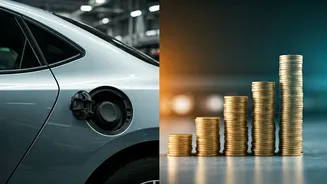
While the initial purchase price of an electric SUV is often higher than its petrol counterpart, the real story unfolds over years of ownership. The primary driver is the dramatic difference in running costs. With petrol prices remaining high, the cost per kilometre for a petrol car is estimated to be around ₹6-7. In contrast, an EV charged at home can run for as little as ₹1-1.5 per kilometre. This translates to annual savings that can exceed ₹60,000 for a typical city driver, quickly offsetting the higher upfront cost. Furthermore, maintenance costs for EVs are significantly lower—by as much as 30-50%—due to fewer moving parts, no engine oil changes, and simpler mechanics. Over a five-year period, the total savings can make the EV the more economical choice.
A Push from Policy and Infrastructure
Government incentives have played a crucial role in tilting the scales. Schemes at both the central and state levels reduce the effective price for consumers. For example, the newly announced Delhi EV Policy 2026 offers a 100% waiver on road tax and registration fees for EVs under a certain price cap, along with substantial scrappage incentives for trading in older petrol or diesel cars. These policies are designed to make EVs more accessible and accelerate the transition to cleaner transport. Simultaneously, the once-daunting problem of 'range anxiety' is slowly being addressed. The network of public charging stations is expanding, particularly along major highways and in metropolitan areas. As of early 2026, India has over 27,000 public charging points, a number that continues to grow, boosting buyer confidence for both city commutes and longer journeys.
More Choice Than Ever Before
For a long time, the lack of options was a major barrier to EV adoption. That is rapidly changing. The market is no longer a one-horse race. Tata Motors, the early leader with its Nexon EV, now faces healthy competition from Mahindra's XUV400 and offerings from MG Motor. This competition benefits consumers, who now have a range of models to choose from at different price points, each offering a unique combination of features, range, and performance. Looking ahead, the pipeline is strong. Manufacturers like Maruti Suzuki and Hyundai are also gearing up to launch new electric SUVs, promising even more variety in the coming years. This expanding portfolio ensures that more buyers can find an electric compact SUV that fits their budget and lifestyle.