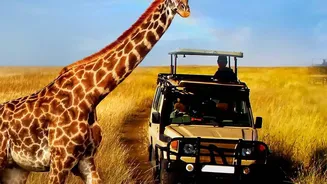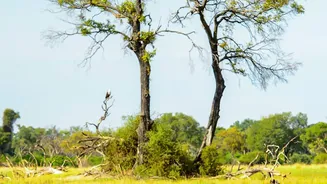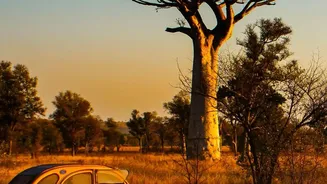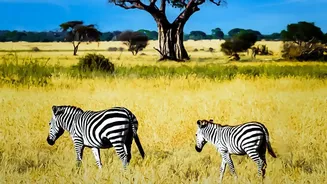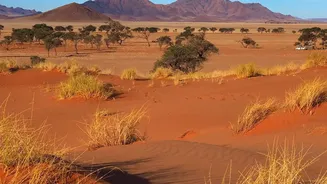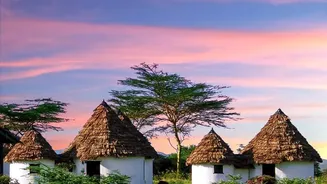



A Philosophy of 'High Value, Low Volume'
Unlike many destinations that chase maximum visitor numbers, Botswana charted a different course decades ago. The nation intentionally adopted a “High Value, Low Volume” tourism model. The philosophy is simple but revolutionary: attract fewer tourists
who are willing to spend more, thereby generating significant revenue while minimizing the environmental footprint. This isn't about creating exclusivity for its own sake; it's a pragmatic strategy for ecological survival. By limiting the number of lodges and capping guest capacity, especially in pristine areas like the Okavango Delta, the country protects its most valuable asset—its untouched wilderness. This approach turns the laws of supply and demand into a powerful tool for preservation.
How Luxury Funds Conservation
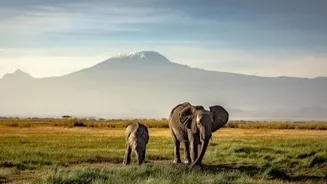
The high price tag of a Botswanan safari is the engine of its conservation success. A significant portion of the cost goes directly towards protecting the ecosystem. Lodge operators pay substantial concession fees to the government and local community trusts for the exclusive right to operate in a specific area. This revenue funds everything from anti-poaching patrols and habitat restoration to scientific research. With nearly 40% of its landmass protected as national parks, reserves, or wildlife management areas, this funding is crucial. The result is one of Africa’s great conservation success stories, boasting the world's largest population of elephants (over 130,000) and healthy populations of endangered species like African wild dogs and cheetahs.
The Okavango Delta: A Crown Jewel
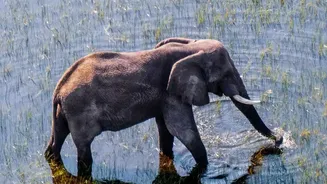
Nowhere is this model more evident than in the Okavango Delta. A UNESCO World Heritage site, it’s a rare inland delta that floods seasonally, transforming the Kalahari sands into a lush wetland teeming with life. Instead of allowing unchecked development, the government strictly limits the number of camps. These lodges are often temporary structures designed for minimal impact, which can be removed at the end of a lease, leaving the environment as it was. This careful management preserves the Delta's unique ecological processes and allows for incredibly authentic wildlife encounters, free from the crowds of vehicles common in other safari destinations. Lions have adapted to hunting in water, and rare sitatunga antelope find refuge here, making it a truly unique biome.
Empowering Communities, Ensuring Sustainability
A conservation model that excludes the people living alongside wildlife is destined to fail. Botswana’s strategy understands this, making community involvement a key pillar of its success. Through community trusts and joint ventures, local residents benefit directly from tourism revenues, employment, and business development. This creates powerful incentives for communities to protect their natural resources. Safari companies are often required to hire Batswana staff, ensuring that tourism revenue remains within the country and supports local economies. This partnership between government, private safari operators, and local communities creates a holistic approach where everyone has a stake in the long-term health of the environment.