







Why Choose Low-Impact?
Low-impact exercise is defined by keeping at least one foot on the ground at all times. This approach significantly reduces the stress and jarring force on your joints, particularly your ankles, knees, and hips. The benefits are numerous: it makes exercise more
accessible for beginners, individuals with joint pain, or those recovering from injury. This gentler approach can help prevent injuries, improve consistency, and support long-term fitness goals by making movement more sustainable and enjoyable.
Modification: The Step-Back Burpee
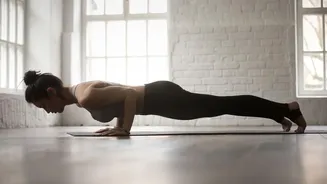
The burpee is a full-body powerhouse, but its explosive jumps can be intimidating and harsh on the body. For a low-impact alternative, break the movement into steps. From a standing position, squat down and place your hands on the floor. Instead of jumping your feet back into a plank, step them back one at a time. Perform a push-up if you wish (or skip it), and then step your feet forward one by one to return to the squat position. Finally, rise to stand instead of jumping. This modification still engages your entire body without the impact.
Modification: The Stepping Jack
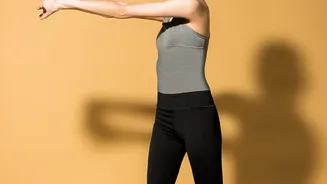
The jumping jack is a classic cardio move. To make it low-impact, simply replace the jump with a step. Start with your feet together and arms at your sides. Step your right foot out to the side while raising your arms overhead. Return to the starting position, and then repeat on the left side. By alternating sides and removing the jump, you protect your knees while still elevating your heart rate and warming up your body. You can increase the pace to boost the intensity.
Modification: The Squat to Calf Raise
Jump squats are excellent for building lower body power, but the landing can be stressful on the joints. A simple and effective modification is to perform a regular bodyweight squat, but as you stand up, rise onto the balls of your feet for a calf raise. This controlled movement still targets the quads, glutes, and hamstrings while adding a challenge for your calves. The focus shifts from explosive power to muscular endurance and stability, making it a much safer option for many.
Modification: The Marching High Knee
High knees, when performed with a run, are a high-impact cardio drill. The low-impact version is a simple march. Stand tall and lift one knee toward your chest, aiming for a 90-degree angle, while simultaneously raising the opposite arm. Lower your leg and arm and repeat on the other side. This coordinated march still engages your core and gets your heart rate up, especially if you move at a brisk pace, but eliminates the pounding motion of running in place.
Maintaining Intensity Without the Jump
A common concern is whether low-impact workouts are still effective. The answer is a resounding yes. You can maintain or even increase the intensity by focusing on other variables. Increase your pace to keep your heart rate up. Add resistance with bands or weights. Focus on increasing your range of motion, for example by sinking deeper into a squat. Engaging your arms by raising them overhead will also increase your heart rate and calorie burn. These strategies ensure you get a challenging and effective workout that respects your body's limits.