




The Common Threads of Flavour
Across the eight states of Northeast India, a distinct culinary philosophy emerges, one that is deeply connected to nature and tradition. Unlike the heavy spice blends of other Indian regions, this cuisine prioritizes fresh, local ingredients, with an emphasis
on smoking, fermenting, and boiling. Key ingredients like bamboo shoot, fiery Bhut Jolokia chillies, and an array of fermented products made from soybeans, fish, or pork form the flavour backbone. Fermentation, a technique used for preservation and flavour enhancement, is a cornerstone, yielding pungent and savoury products like Nagaland's 'Axone' and Manipur's 'Ngari' (fermented fish). These ingredients are not just for taste; they are a way of life, representing a sustainable approach to food that has been perfected over centuries.
Nagaland: A Love for Smoke and Spice
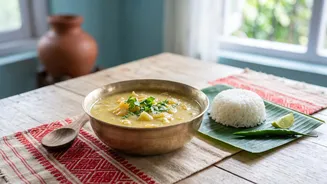
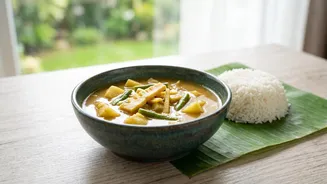
Naga cuisine is bold, rustic, and profoundly flavourful, with smoked meat holding a place of honour in most kitchens. Pork, smoked over a fireplace for days, develops a deep, complex flavour that is central to many dishes. One of the state's most iconic preparations involves cooking this smoked pork with fermented bamboo shoots, a dish that is both pungent and incredibly satisfying. Another quintessential Naga ingredient is Axone, or fermented soybean, which adds a powerful umami kick to meat stews and chutneys. For a simpler, yet equally essential taste of Nagaland, there is Hinkejvu, a gentle stew of colocasia, cabbage, and other greens boiled with just a pinch of salt to let the natural flavours shine.
Manipur: Fresh, Fragrant, and Fiery
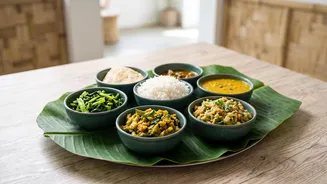
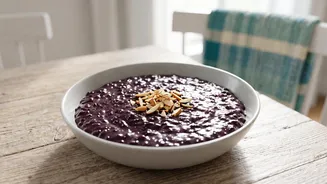
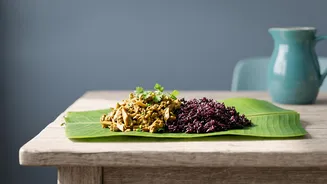
Manipuri cuisine is a vibrant tapestry of fresh salads, hearty stews, and pungent fermented delicacies. A typical meal often revolves around rice, a vegetable stew (Ensaang), and a spicy side. One of the most famous dishes is Eromba, a mashed preparation of boiled vegetables, king chilli, and 'Ngari,' a fermented fish that gives the dish its signature aroma and taste. For those new to Manipuri flavours, Singju is a perfect introduction. It is a refreshing and piquant salad made from a variety of finely julienned raw vegetables like lotus stem, cabbage, and banana flower, tossed with roasted powders and herbs. And no mention of Manipur is complete without Chak-hao Kheer, a stunning deep-purple pudding made from the state's prized black rice.
Assam: The Kingdom of Khar and Tenga
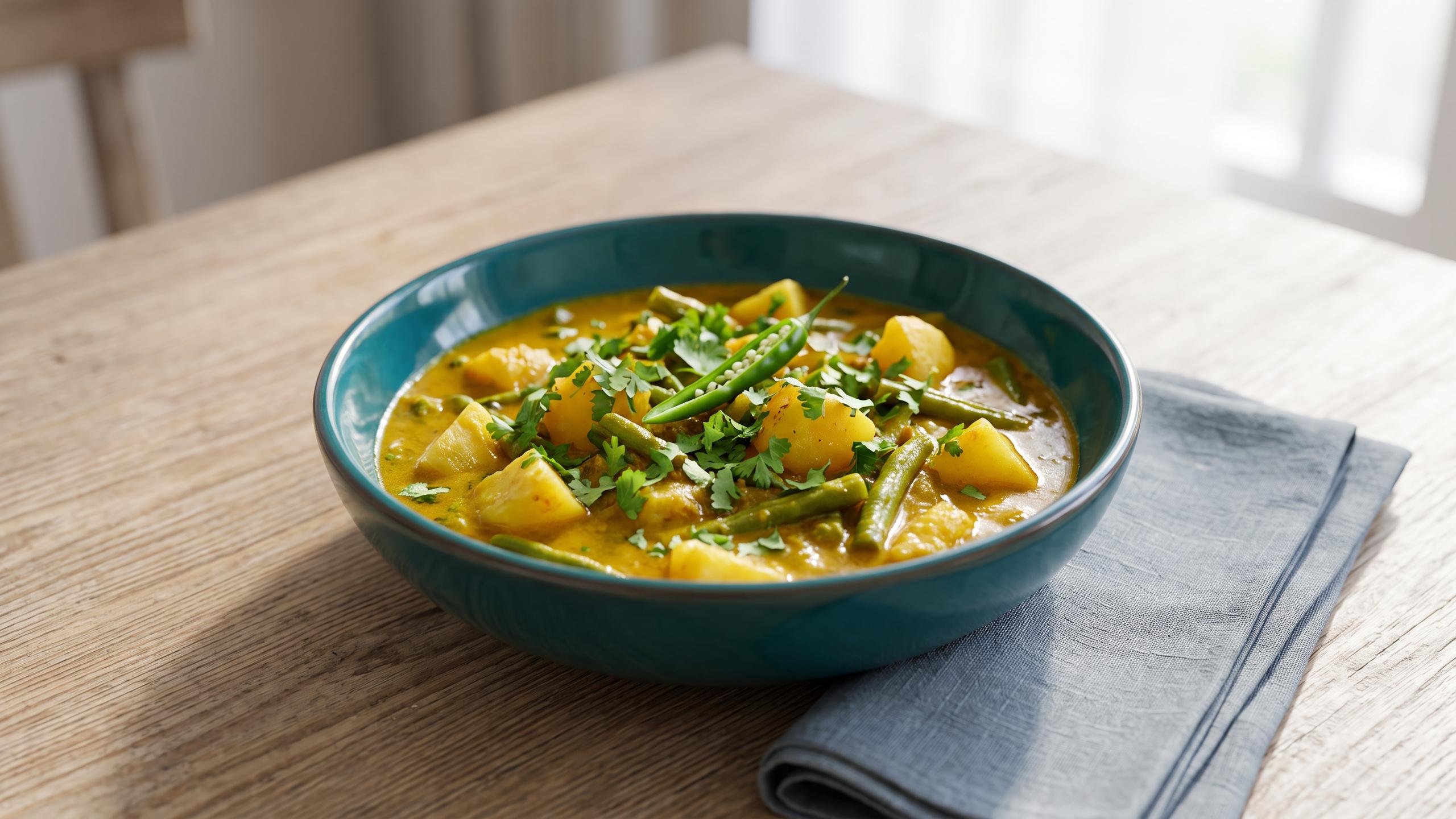
The cuisine of Assam is a fascinating balance of alkaline and sour flavours. A traditional meal famously begins with 'Khar,' a unique class of dish made using an alkaline liquid filtered through the ashes of sun-dried banana peels. This is often prepared with raw papaya or lentils and has a clean, distinct taste believed to aid digestion. The meal typically ends with a 'Tenga,' a sour curry. Masor Tenga, a light and tangy fish curry soured with tomatoes or elephant apple, is the undisputed star. Pork and duck are also widely enjoyed, with Duck Meat Curry (Kumurat Diya Hanhor Mangxo), often cooked with ash gourd, being a celebratory favourite.
Meghalaya: Hearty Rice and Pork Delights
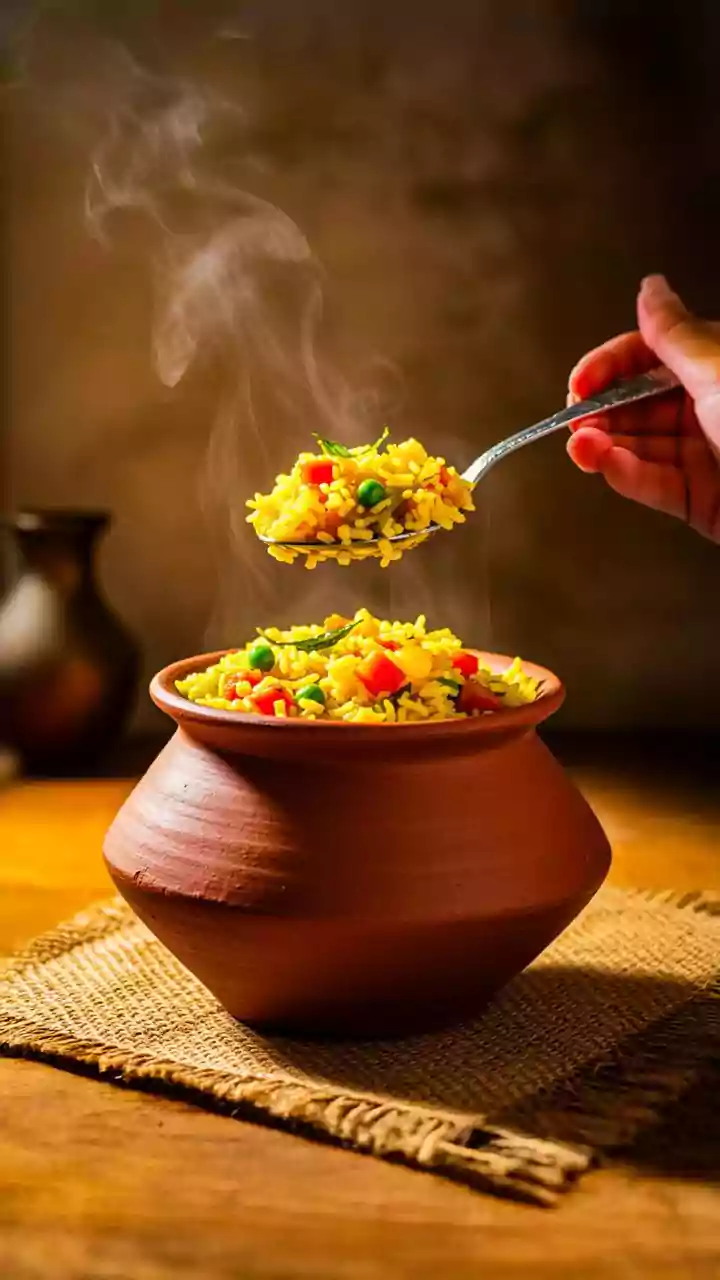
In Meghalaya, rice and pork are the pillars of the local diet. The most well-known dish is Jadoh, an aromatic preparation of red rice cooked with generous amounts of pork and flavoured with turmeric and ginger. For a more adventurous palate, a version cooked with pork blood offers a richer, more intense flavour. Complementing Jadoh is Doh-Khlieh, a refreshing yet hearty salad made from boiled, minced pork, tossed with onions, ginger, and fiery green chillies. Another must-try is Tungrymbai, a pungent dish of fermented soybeans cooked with pork and black sesame seeds.
A Glimpse into Tripura, Mizoram, and Sikkim
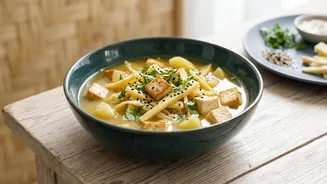
The culinary journey doesn't end there. In Tripura, the cuisine features 'Berma,' a dried and fermented fish that is a key ingredient in traditional dishes like the bamboo-shoot-based Chakhwi. Mizoram's staple food is rice, often served with Bai, a simple and wholesome stew of boiled vegetables, which can include bamboo shoots and be flavoured with fermented pork or soybeans. And from Sikkim comes Gundruk, a fermented leafy green vegetable with a tangy profile, often served in soups to provide warmth and nutrition.