







The Unseen Cost of Celebration
For decades, the immersion (visarjan) of Ganesha idols has been a cornerstone of the festival, symbolising the deity's return to the elements. However, the widespread adoption of Plaster of Paris (PoP) for making these idols has created a significant
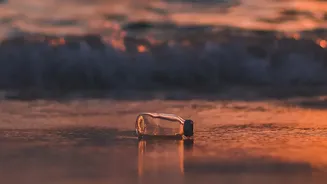
environmental crisis. PoP is a synthetic material, calcium sulphate hemihydrate, that does not easily dissolve in water. Idols made from PoP can take several months, or even years, to break down. During this time, they settle at the bottom of rivers, lakes, and oceans, disrupting aquatic ecosystems. Furthermore, these idols are often decorated with toxic chemical paints containing heavy metals like lead, mercury, and cadmium, which leach into the water, poisoning marine life and contaminating water sources.
A Return to Traditional Roots
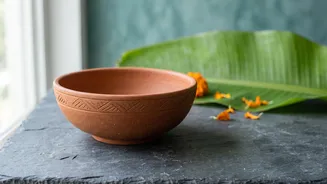
The movement towards an eco-friendly Ganesh Chaturthi is not a new invention but a return to tradition. Historically, idols were made from natural clay or 'shadu mati', a type of clay found on riverbanks that dissolves quickly and harmlessly in water. Worshipping a clay idol represents the beautiful cycle of creation and dissolution—what comes from the earth returns to it. This age-old practice was sidelined by the cheaper, lighter, and more readily available PoP idols, which became popular for their durability and the ease with which large, elaborate statues could be made. The green Ganesha movement is, in essence, a call to remember and revive these sustainable origins.
The Rise of the Green Ganesha
Today, the demand for sustainable alternatives has sparked incredible creativity among artisans and devotees. The most popular choice is the classic shadu mati idol, which is now widely available from local artists and cooperatives. These idols are often painted with natural pigments like turmeric, sandalwood paste, and other vegetable dyes. Beyond clay, other innovative ideas have emerged. Plantable idols, which contain seeds, can be 'immersed' in a pot at home and grow into a plant, symbolising life and renewal. Some artisans have even crafted idols from materials like paper mache, coconut husks, and even chocolate, which can be immersed in milk and later distributed as prasad.
Beyond the Idol: A Holistic Approach to Waste Reduction
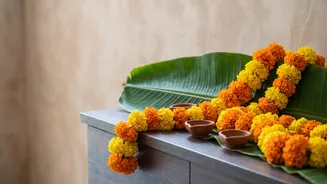
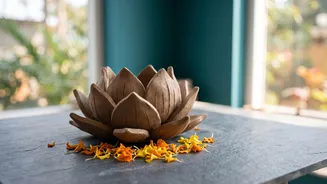
A truly eco-friendly celebration extends beyond the idol itself. Decorations are a major source of waste, with plastic and thermocol being common culprits. Recent trends show a shift towards natural and reusable decor. Families and pandals are increasingly using fresh flowers, banana leaves, mango leaf torans, and cloth backdrops to create beautiful and biodegradable settings. There's also a growing focus on managing 'nirmalya'—the floral offerings collected during the festival. Many municipal corporations and NGOs now organize collection drives to compost this organic waste, preventing tonnes of flowers from choking water bodies. In Pune alone, initiatives like 'Nirmalya to Nisarg' collect hundreds of tonnes of floral waste for composting each year.
The Power of Community and Conscience
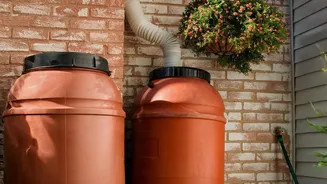
The transition to a greener festival is being driven by communities. Across the country, housing societies are opting for a single, small, eco-friendly idol for the entire community to reduce waste. Many cities have also set up artificial immersion tanks, allowing for a controlled visarjan process that prevents pollution of natural water bodies. The simplest and most impactful step for many has been home immersion. A small clay idol can be respectfully immersed in a bucket or tub at home, and the water can later be used for watering plants. This personal act of devotion reinforces the connection to nature and minimises the festival's footprint, one household at a time.