





A Planet of Extremes
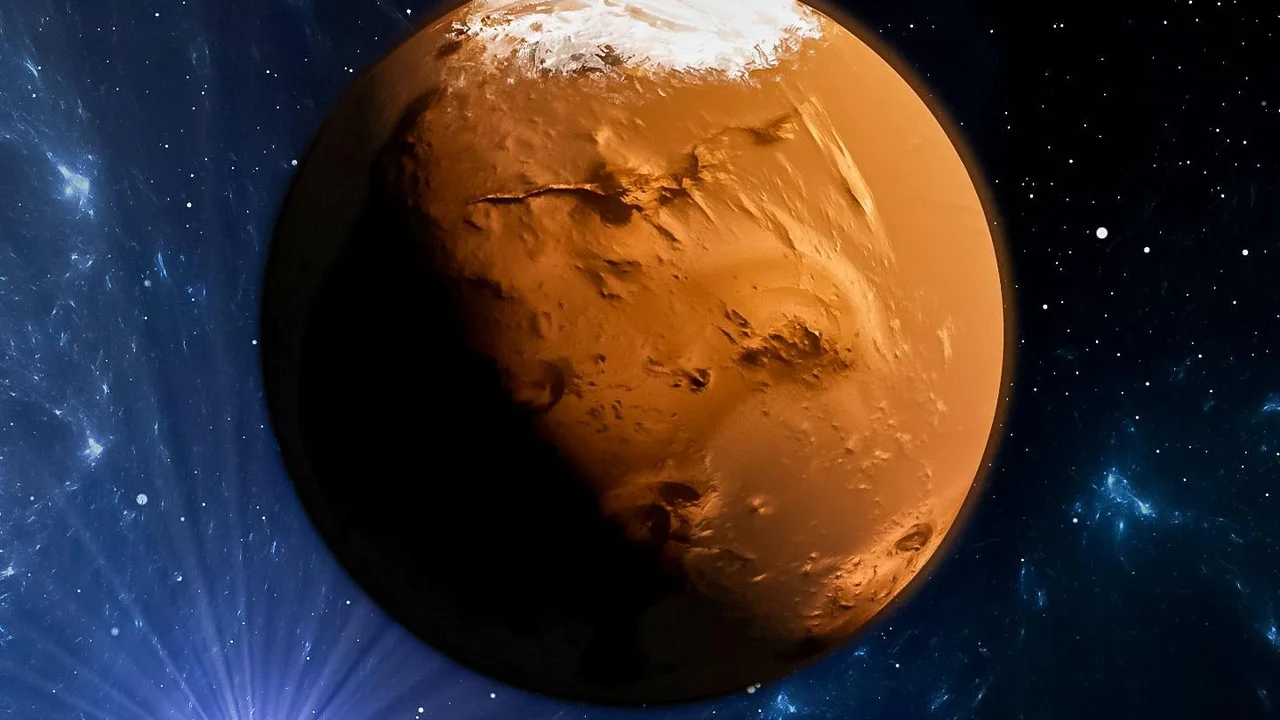
The latest weather reports from the Red Planet confirm its status as a world of staggering contrasts. Data gathered by instruments like the Mars Environmental Dynamics Analyzer (MEDA) on NASA's Perseverance rover shows that in equatorial regions like the Jezero
Crater, temperatures can be wildly different depending on the time of day. During the day, sunlight can warm the Martian surface to a comfortable 20-22°C. However, as the sun sets, this warmth rapidly radiates away, and temperatures can plunge to a bone-chilling -123°C or even colder, a swing of over 140 degrees. These findings are not just a curiosity; they provide a detailed picture of the harsh environment that any future robotic or human mission must be prepared to endure.
The Science Behind the Swing
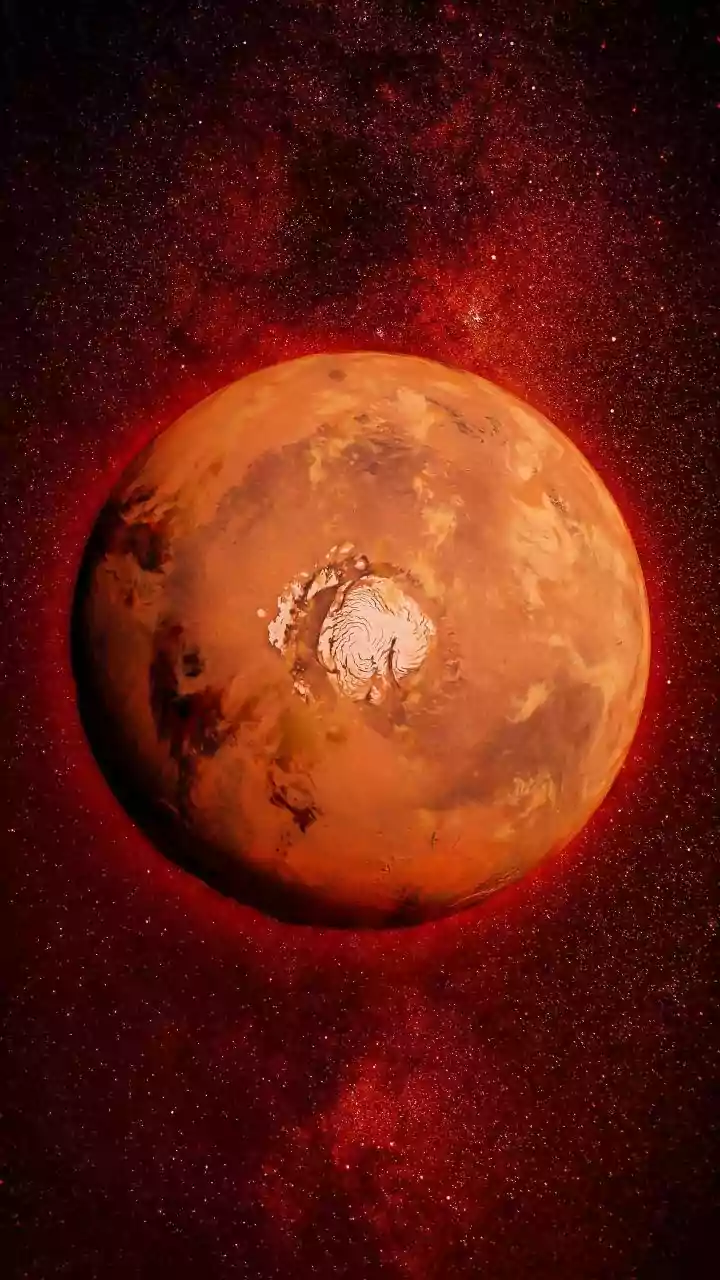
So, why does Mars experience such a dramatic daily temperature roller coaster? The primary reason is its incredibly thin atmosphere. With a surface pressure less than 1% of Earth's, the Martian atmosphere is mostly carbon dioxide and simply doesn't have the density to retain heat. On Earth, our thick atmosphere and vast oceans act as a global blanket, trapping solar heat and distributing it, which keeps our day-night temperature changes relatively mild. Mars has no such buffer. The moment the sun goes down, there is nothing to stop the heat from escaping back into space, causing the surface to cool down at an astonishing rate. This lack of insulation is the main driver behind one of the most volatile climates in our solar system.
Engineering for Survival
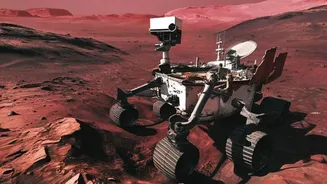
These extreme temperature fluctuations present a massive engineering challenge. Every piece of equipment sent to Mars, from the wheels of the Curiosity rover to the sophisticated sensors on Perseverance, must be designed to withstand this constant thermal stress. The cycle of expansion in the relative warmth of day and contraction in the deep cold of night can weaken materials, strain electronic components, and affect power systems. Rovers must use heaters to protect their critical instruments and batteries overnight, a process that consumes precious energy gathered by their solar panels or generated by their radioisotope power systems. Understanding these daily weather patterns is therefore crucial for mission planners to ensure the long-term survival and operational success of their multi-billion dollar robotic explorers.
Paving the Way for Humans
As space agencies like NASA and ISRO set their sights on future human missions to Mars, this detailed climate data becomes even more critical. Designing habitats, life support systems, and spacesuits that can protect astronauts from such a punishing environment is a monumental task. The data collected by missions like Perseverance and India's own Mars Orbiter Mission (Mangalyaan) helps build more accurate climate models. These models are essential for everything from choosing a safe landing site to predicting dust storms and, most importantly, ensuring that future explorers can not only survive but also work effectively on the Martian surface. Each weather report is another piece of the puzzle, helping to turn the science-fiction dream of walking on Mars into a concrete engineering and logistical plan.