






A 22% Deficit
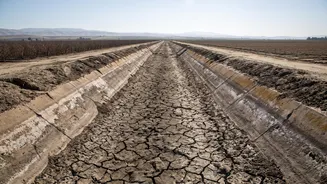
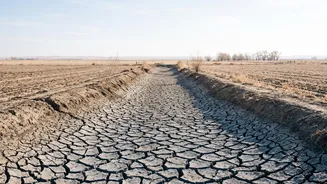
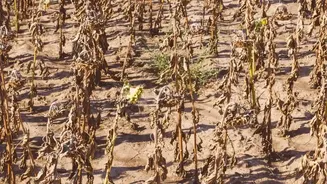
The IRSA Advisory Committee has confirmed that the country will face an overall water shortage of 22% during the Rabi season, which runs from October 2026 to March 2027. This deficit will primarily impact the agricultural heartlands of Punjab and Sindh,
the two provinces responsible for the vast majority of Pakistan's food production. According to the approved water distribution plan, Punjab is allocated 15.564 million acre-feet (MAF) and Sindh will receive 11.748 MAF, with both facing the projected 22% cut. Meanwhile, Khyber Pakhtunkhwa and Balochistan have been exempted from the supply reductions.
Causes of the Crisis
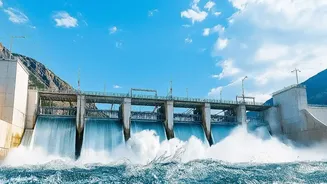
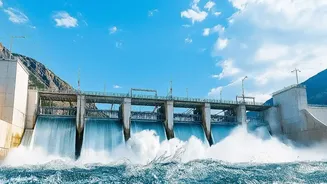
The looming shortage is not due to a single cause but a combination of factors. A primary driver has been lower-than-average river inflows during the preceding Kharif season, which were 22% less than the previous year. This is compounded by significantly lower water levels in the country's major reservoirs. As of the end of September, total water storage stood at 9.343 MAF, a sharp drop from 13.214 MAF at the same time last year and below the ten-year average. Officials also point to internal factors, including delays in completing crucial infrastructure projects at the Tarbela Dam, which have hindered the system's ability to store and manage water effectively.
Threat to Wheat and Food Security
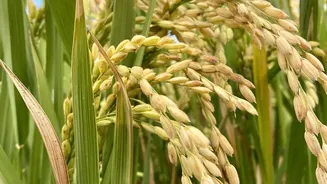
The timing of this water shortage is particularly alarming as it coincides with the sowing and growth period for wheat, Pakistan's most vital staple crop. Reliable irrigation is essential for a successful wheat harvest, and a 22% reduction in water availability could force farmers into difficult choices. Many may have to rely more on expensive groundwater pumping, which increases their operational costs, or face the prospect of lower crop yields after already investing in seeds and fertilizers. This situation poses a direct threat to national food security, especially following a disappointing harvest last season which fell over two million tonnes short of its target.
The Ripple Effect on the Economy
The consequences of a poor wheat harvest extend far beyond the farm gate. Reduced domestic production could necessitate increased wheat imports, placing further strain on Pakistan's foreign exchange reserves. The country has already contracted to import hundreds of thousands of tonnes of wheat to cover previous shortfalls. Furthermore, the pressure on supply is already being felt by consumers. In September, the price of wheat flour saw a staggering year-on-year increase of over 31% in urban markets and more than 34% in rural areas. An insufficient water supply for the new crop threatens to intensify this food inflation, impacting household budgets across the nation.
Managing a Scarce Resource
In response to the forecast, IRSA and provincial authorities are preparing mitigation strategies. A key part of the plan includes the annual closure of the Chashma Barrage for maintenance, scheduled from late December 2026 to mid-January 2027, which is being coordinated with provincial canal closure programs to manage distribution. Experts and authorities stress the need for a multi-pronged approach, including better seasonal water planning, timely maintenance of canals, and greater investment in water storage infrastructure. For farmers, the immediate future will require careful planning and potentially pivoting to more water-efficient farming techniques to navigate the challenging season ahead.