


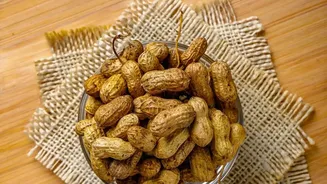
The Roasting Dilemma
Whether you're preparing them for a festive snack, a homemade peanut butter, or a crunchy topping for noodles, the goal is always the same: a deep, even, golden-brown roast. Yet, it’s a surprisingly easy process to get wrong. Crank up the heat for a faster
result, and you’ll likely scorch the delicate outer layers before the heat has a chance to penetrate the dense core. This happens because of the way heat transfers. High, direct heat from a stovetop pan cooks via conduction, rapidly heating the points of the peanut touching the hot surface. This uneven cooking leads to those familiar dark spots and a bitter, burnt taste, while the inside remains pale and vegetal. The result is a snack that is both overcooked and undercooked at the same time—a true culinary paradox that can be easily avoided.
The Science of a Slow and Steady Roast
The key to a perfect roast lies in giving the heat enough time to do its job properly. Peanuts are dense and contain moisture that needs to evaporate before true roasting can begin. A medium flame, or a moderate oven temperature around 175°C (350°F), provides gentle, consistent energy. This allows the heat to slowly and evenly penetrate the entire nut. Instead of shocking the surface, the lower temperature ensures the center of the peanut is cooking at a similar rate to the outside. This gradual process drives out moisture effectively, which is essential for achieving that signature crunchy texture. If using a pan, constant stirring becomes crucial to ensure all sides of the peanut get equal time on the hot surface. In an oven, the hot air circulates, cooking the peanuts more evenly with less intervention, though stirring them once or twice is still recommended for the best results.
Unlocking Flavor with the Maillard Reaction
Beyond just cooking the peanut through, roasting is about developing flavor. This is where a bit of food science comes into play with something called the Maillard reaction. This is a complex chemical reaction between amino acids and reducing sugars that occurs when food is heated. It's the same process that gives bread its golden crust and seared steak its savory depth. For peanuts, this reaction is responsible for creating hundreds of new aromatic compounds that give us that characteristic nutty, toasty, and rich flavor. The Maillard reaction doesn't happen instantly; it needs time and the right temperature—typically between 140°C and 165°C—to work its magic. Rushing the process with high heat can bypass this crucial flavor development stage or, worse, lead to pyrolysis (burning), which creates bitter, ashy notes. A medium flame provides the ideal conditions for the Maillard reaction to unfold gradually, building layers of complex, delicious flavor.
The Perfect Method: Step-by-Step
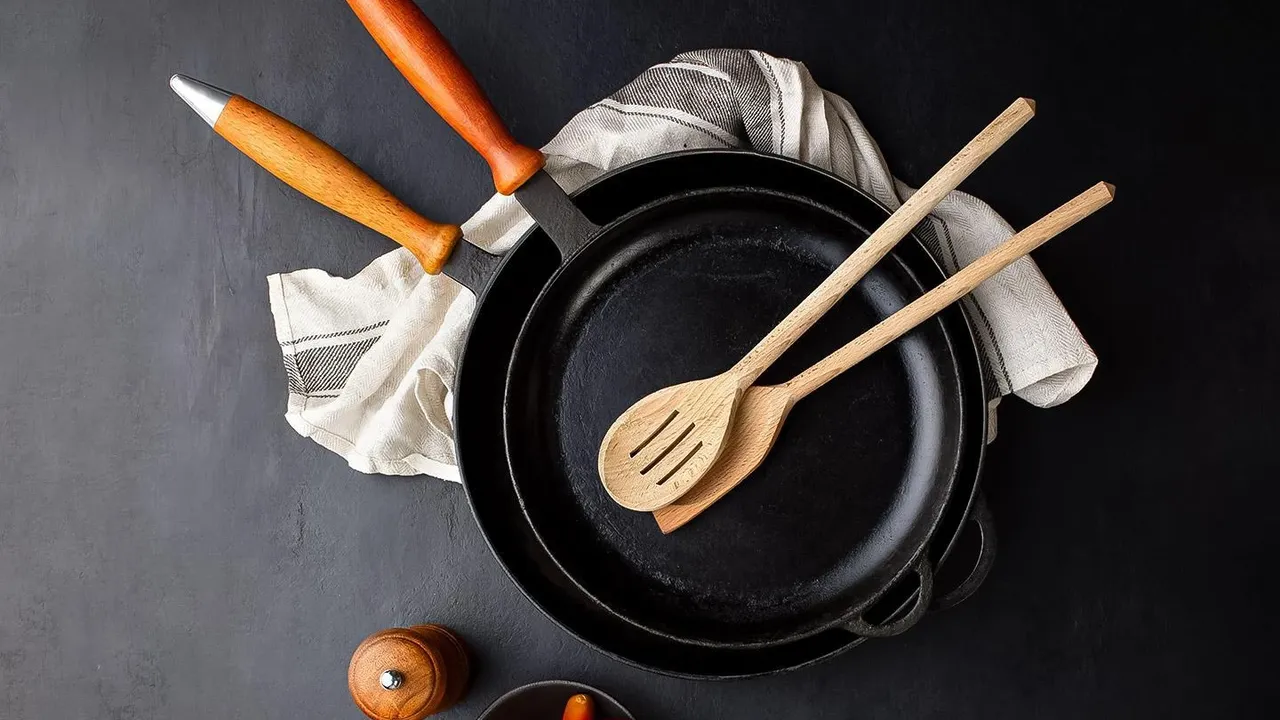
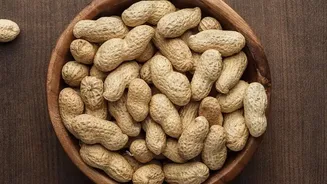
Ready to put this into practice? For pan-roasting, use a heavy-bottomed skillet over a medium flame. Add the shelled, raw peanuts in a single layer and stir constantly. You can't walk away from the pan, as they can burn quickly. Keep them moving for about 5 to 7 minutes until they become fragrant and turn a light golden color. For a more hands-off approach, oven-roasting is ideal. Preheat your oven to 175°C (350°F). Spread the peanuts in a single layer on a baking sheet and roast for 15 to 20 minutes for shelled peanuts, or 20 to 25 minutes if they're still in the shell. Stir them halfway through to promote even cooking. Remember that peanuts continue to cook from residual heat after you remove them from the oven, so pull them out just before they reach your ideal color. Let them cool completely on the tray, where they will crisp up further.