

The Festival High and its Limits
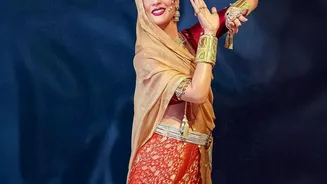
Cultural festivals are powerful. They are vibrant, concentrated bursts of art, music, and performance that serve as crucial platforms for artists and offer audiences a window into other worlds. From the Festival of India programs conducted abroad to local
city-based celebrations, these events are excellent for visibility, tourism, and projecting soft power. However, they are, by nature, temporary. The connections made are often fleeting, and the cultural exchange can sometimes feel more like a presentation than a true dialogue. While an artist might gain exposure, the depth of interaction is limited by a tight schedule, leaving little room for genuine, collaborative creation or deep understanding of a new environment. The focus is on the final performance, not the shared process.
Enter the Long-Form Exchange
In contrast, a new model of 'long-form' cultural exchange is gaining traction. This approach prioritizes depth over breadth, focusing on sustained engagement. Think of artist-in-residence programs, international co-productions, and extended creative collaborations that last for weeks, months, or even years. These programs provide artists with time, space, and resources to work outside of their usual environments. The goal is not just to present a finished piece, but to immerse oneself in a new context, work alongside international peers, and allow the experience to fundamentally shape the creative process. It's about fostering a two-way street of learning and influence rather than a one-way broadcast.
More Than a Working Holiday
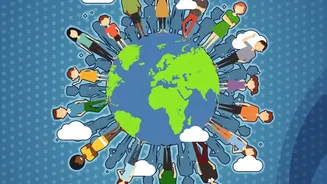
The benefits of this 'slow culture' approach are immense. For artists, it is an opportunity to break out of creative stagnation, develop a new body of work, and build a credible, international network. Living and working alongside peers from different backgrounds can spark unexpected collaborations and influence an artist's practice for years to come. For host communities, these residencies bring in fresh perspectives, foster social cohesion, and can even boost local creativity and tourism. Beyond the studio, these exchanges build a foundation of mutual understanding and empathy, breaking down stereotypes more effectively than any short-term event ever could. Participants develop global competence—the ability to communicate and collaborate across cultural differences, a vital skill in our interconnected world.
Challenges in Sustained Collaboration
This deeper form of engagement is not without its hurdles. Funding is a perennial challenge, as long-term programs require more significant investment than one-off events. Many residencies are underfunded, with artists often bearing costs for travel, materials, and living expenses, which raises issues of accessibility. Furthermore, navigating cultural differences in a close working relationship requires patience and open communication. Balancing the artist's creative freedom with the goals of the host institution can also create tension. Unlike a festival with a clear start and end, these long-form exchanges are complex, ongoing relationships that require careful management and a shared commitment from all involved.
The Indian and Global Landscape
India has a long history of cultural exchange, with government bodies like the Indian Council for Cultural Relations (ICCR) and the Ministry of Culture facilitating programs worldwide. These have traditionally included festivals, scholarships, and support for Indo-Foreign Friendship Societies. However, the landscape is evolving. There is a growing recognition of the need for sustained, collaborative models. Initiatives that support international co-productions and partnerships are helping to build new frameworks for artists in India to work with peers in Africa, Asia, and Latin America, moving beyond the West-centric focus. These long-term projects foster a more equitable and meaningful exchange, creating a shared creative vocabulary that enriches all participants and builds lasting bridges of understanding.