



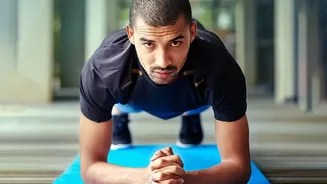
What is a Spider-Man Plank?
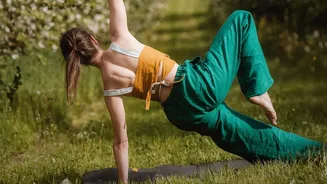
The Spider-Man plank is a dynamic variation of the traditional plank that turns a static hold into an explosive, full-body movement. Instead of simply holding your body rigid, you actively bring one knee toward the outside of the same-side elbow, mimicking
the wall-crawling motion of its superhero namesake. This addition transforms the exercise, demanding more from your core to maintain stability while your limbs are in motion. It's considered an intermediate-level move that not only builds core strength but also serves as a great warm-up to get your heart pumping and blood flowing before a more intense workout.
A Step-by-Step Guide to Proper Form
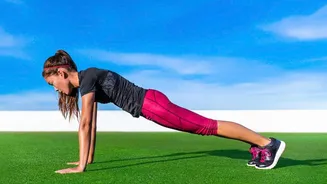
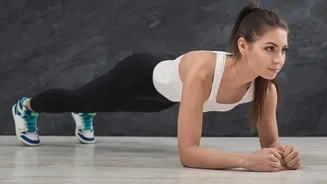
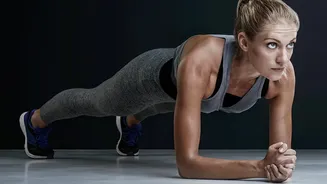
Proper form is crucial to maximize benefits and prevent injury. You can perform this exercise from a high plank (on your hands) or a low plank (on your forearms). The low plank is often standard, but a high plank can offer more room for movement. 1. Start in a plank position, ensuring your body forms a straight line from your head to your heels. Your elbows should be directly under your shoulders, or if in a high plank, your hands should be. 2. Engage your core by pulling your belly button toward your spine. Your back should be flat—avoid letting your hips sag or pike up toward the ceiling. 3. Slowly and with control, lift your right foot and bring your right knee toward the outside of your right elbow. Aim to get as close as you can without twisting your torso or losing your plank line. 4. Pause for a moment, then smoothly return your right leg to the starting position. 5. Repeat the movement on the left side, bringing your left knee toward your left elbow. Continue alternating sides for your desired number of reps or duration.
Targeting Your Side Abs
The key to the Spider-Man plank's effectiveness lies in its anti-rotation challenge. As you bring one knee forward, your core—specifically your obliques (the muscles along the sides of your stomach)—has to work overtime to prevent your hips from rotating. The side of your body performing the knee tuck experiences a crunching motion, directly engaging the obliques. Meanwhile, the obliques on the opposite side work to stabilize your torso, fighting the natural urge to twist. This dual action of crunching and stabilizing makes the exercise incredibly efficient for building a strong, functional midsection that supports your spine and improves rotational strength.
More Than a Core Move: Boosting Hip Health
While the core is the primary focus, the Spider-Man plank offers significant benefits for your hips. The movement of bringing your knee out and toward your elbow actively engages your hip flexors, the group of muscles responsible for lifting your leg. For individuals who spend long hours sitting, these muscles can become tight. The dynamic stretch and activation in this exercise can help improve their flexibility and function. Furthermore, the exercise challenges your hip stability. Your glutes and the smaller stabilizing muscles around the pelvis must fire to keep your hips level as one leg moves, enhancing overall balance and control. This makes it a fantastic tool for improving mobility and reducing stiffness around the hips.
Common Mistakes to Avoid
To get the most out of every rep, be mindful of these common errors: - Sagging or Piking Hips: Losing the straight line from head to heels by letting your hips drop or rise compromises core engagement and can strain your lower back. Focus on keeping your glutes and abs tight. - Rushing the Movement: Performing the knee tuck too quickly or with jerky motions reduces the muscle engagement and relies on momentum. Slow, controlled movements are far more effective. - Rotating the Torso: Allowing your body to twist as the knee comes forward means your obliques aren't doing their job of stabilizing. The goal is to keep your shoulders and hips as square to the floor as possible. - Lifting Your Head: Keep your gaze directed toward the floor just in front of you to maintain a neutral spine. Lifting your head can strain your neck.
Modifications for All Fitness Levels
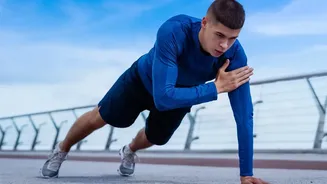
The Spider-Man plank can be adapted to suit your current fitness level. If you're a beginner, you can start by performing the exercise with your knees on the floor. This reduces the load on your core while allowing you to master the movement pattern. Another option is to place your hands on an elevated surface like a bench, which decreases the intensity. For an advanced challenge, try the Spiderman push-up: as you lower your body into a push-up, bring your knee to your elbow, then press back up as you return your leg. You can also add a pause, holding the knee at the elbow for a few seconds to increase the time under tension.