





A Symphony of Sweet and Sour
At its core, the success of mango and pineapple in pachadi is a masterclass in flavour balancing. Ripe mangoes bring a deep, floral sweetness and a soft, yielding texture. Pineapple, on the other hand, provides a sharp, tangy brightness and a more fibrous
bite. Some flavour experts even describe the taste of a mango as a natural blend of peach, orange, and pineapple, which helps explain why they pair so instinctively. When cooked together, the pineapple's acidity cuts through the rich sweetness of the mango, preventing the dish from becoming overly sugary or one-dimensional. This dynamic interplay creates a flavour profile that is complex, refreshing, and constantly engaging the palate. It’s a classic sweet-and-sour combination, elevated by the distinct tropical notes of both fruits.
The Science Behind the Sensation
Beyond the basic tastes, there's some fascinating chemistry at play. Both fruits are rich in aromatic compounds called esters, which are responsible for their signature tropical scents and flavours. When combined, these aromas create a layered and more intense tropical bouquet. Furthermore, pineapple contains bromelain, a natural enzyme that helps break down proteins. While its effect is more pronounced on meat, it can subtly influence the texture of the dish, contributing to a cohesive final product. The cooking process itself, where the fruits are simmered with spices like turmeric and chilli powder, helps meld these flavours. Jaggery is often added not just for sweetness, but to balance the tanginess of the pineapple and the sourness that can come from the yoghurt base, ensuring all the elements are in harmony.
More Than Fruit: The Role of the Base
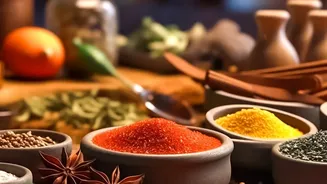
A pachadi is more than just its fruit. The traditional base of ground coconut, yoghurt (curd), and spices is essential to the final taste. A fresh paste of coconut, cumin seeds, and green chillies is often added to the cooked fruit. This paste lends a creamy richness and a subtle, earthy spice that grounds the bright fruit flavours. The yoghurt, added towards the end of the cooking process, brings a cooling tang and a creamy consistency that binds everything together. This is followed by a final tempering, or 'tadka', of mustard seeds, curry leaves, and dried red chillies sizzled in coconut oil. This last step releases a final burst of aroma and adds a crucial layer of savoury complexity, making the pachadi a complete sensory experience.
A Dish Steeped in Tradition
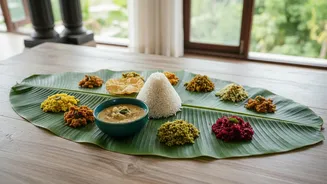
The brilliance of this combination is also deeply rooted in South Indian culinary philosophy. Many traditional meals, like the festive Onam Sadhya, are built around the principle of balancing the six essential tastes (Arusuvai): sweet, sour, salty, bitter, pungent, and astringent. A well-made mango and pineapple pachadi beautifully embodies this concept. You get sweetness from the mango and jaggery, sourness from the pineapple and yoghurt, salt, pungency from the chillies and mustard seeds, and a hint of bitterness or astringency from other spices like fenugreek. This makes it a perfect palate cleanser during a multi-course meal, offering a refreshing counterpoint to spicier and heavier dishes. Its presence on the banana leaf is not just for taste but to create a balanced and holistic eating experience.