





Why Weight Equals Performance
The defining characteristic of cast iron is its ability to retain heat, which is essential for many Indian cooking techniques. This quality comes directly from its mass. A heavier, thicker pan holds more thermal energy. This means when you drop mustard
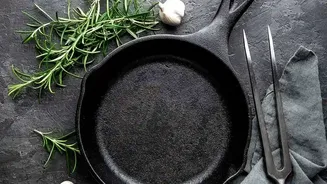
seeds into hot oil for a tadka, the temperature doesn't plummet. It ensures your dosas cook evenly from edge to centre and gives paneer a perfect, consistent sear. A pan that is too light won't hold heat as effectively, leading to hotspots and uneven cooking. While a lightweight pan might seem appealing at first, it often sacrifices the very performance that makes cast iron so desirable.
Finding the 'Goldilocks' Zone
While heavy is good for heat retention, there's a point where a pan becomes too cumbersome for daily use. Imagine trying to flip a large adai or transfer a heavy kadai full of hot oil from the stove to the counter with a strained wrist. The goal isn't to buy the heaviest pan available, but to find the perfect balance between performance and practicality. Think of it as the 'Goldilocks' weight: not too heavy, not too light, but just right for you. A pan that is too thick can also be slow to heat up and less responsive to temperature changes. The ideal weight is one that feels substantial enough for stable heat but is still manageable for you to lift and manoeuvre comfortably, even when full.
The In-Store Lift Test: A How-To Guide
This is where you become an informed buyer. When you're at the store, don't just look at the pan—pick it up. Hold it by its main handle with one hand. Does it immediately strain your wrist? Now, imagine it's full of food. Lift it and pretend you're moving it from the stovetop to the sink. If the pan has a smaller 'helper handle' on the opposite side, use it. This second handle is crucial for larger pans and heavier dishes, distributing the weight and making it much safer to handle. The pan should feel like a stable, manageable extension of your arm, not a piece of gym equipment. If you can lift it easily with one hand, it may be too light to provide the heat retention you need for South Asian cooking.
Matching the Weight to Your Favourite Dishes
The right weight often depends on what you cook most. For deep-frying samosas or puris, a heavy, deep kadai is fantastic because it maintains a stable oil temperature. For high-heat work like making dosas or searing vegetables, a moderately heavy tawa or skillet is ideal. It will give you that wonderful, even browning without being too difficult to handle. However, if your cooking involves a lot of quick sautés or stir-frying where you're constantly moving the pan, a slightly lighter model might be more practical. Consider your personal cooking style and the dishes that make a regular appearance on your family's table.
Beyond Weight: Other Buying Factors
While weight is a primary concern, don't forget to check a few other details. Ensure the handle is ergonomic and provides a secure grip, even when using a cloth or potholder. Check the surface finish; traditionally, smoother surfaces are preferred as they make it easier to build up a good non-stick seasoning layer. Many new pans come pre-seasoned, which offers convenience. Also, consider the size. A 10 to 12-inch skillet is often cited as the most versatile size for a small family, but choose one that fits your stove and your needs. A pan that is too large for your burner will have cold spots, while one that's too small will mean cooking in batches.