


Beyond the Comfort Zone
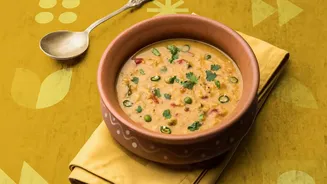
Khichdi has long been a staple in Indian households, revered for its simplicity and easy digestibility. Traditionally made from rice and lentils, it's the go-to meal for recovery, a gentle dish for children, and a symbol of home-cooked comfort. Its history
is rich, with variations appearing across regions for centuries, from the fluffy Ven Pongal in the south to the hearty bajra khichdi in Gujarat. However, for many young people, it was often filed away as 'sick food' or something plain and unexciting. That perception is now undergoing a radical and delicious transformation, driven by a new understanding of health and nutrition.
The Modern Wellness Upgrade
The primary driver behind khichdi's reinvention is the burgeoning health and wellness culture among urban Indian millennials and Gen Z. With growing awareness of lifestyle diseases and unprecedented access to nutritional information, this generation is actively seeking healthier food choices. They are calorie-conscious, protein-focused, and keen on incorporating functional foods into their diet. The humble khichdi, it turns out, is the perfect canvas. Nutritionists note that the combination of a grain and a lentil already forms a complete protein, providing all essential amino acids. By making simple tweaks, its nutritional profile can be dramatically enhanced to meet modern fitness goals.
A Canvas for Superfoods
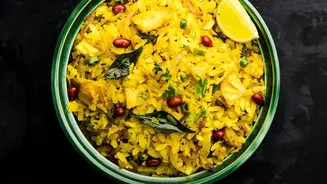
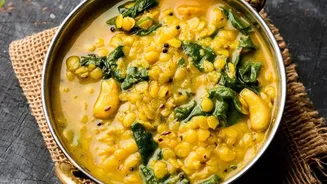
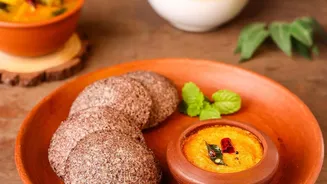
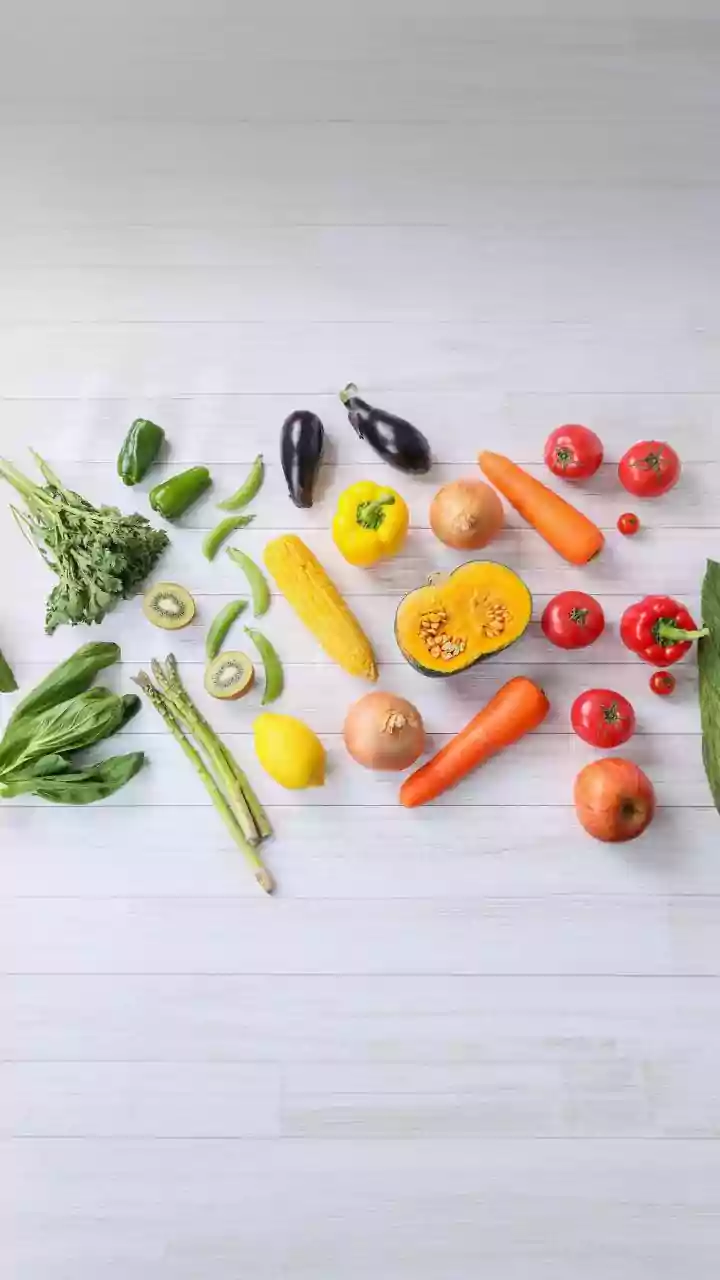
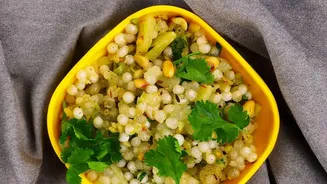
The new-age khichdi is less about following a strict recipe and more about creative, nutrient-forward additions. White rice is frequently being swapped for ancient grains and modern superfoods. Millets like foxtail, barnyard, and jowar are making a major comeback, celebrated for being high in fibre and having a lower glycemic index. Quinoa, another popular choice, is lauded for its high protein content. The protein boost doesn't stop there. Instead of just one type of dal, cooks are using a mix of lentils (panchmel dal) to diversify the amino acid profile. To make it a truly balanced meal, cubes of paneer, tofu, boiled eggs, or even lean chicken are being added, along with a rainbow of fresh vegetables for extra vitamins and fibre.
Convenience Meets Conscious Eating
The revamped khichdi also perfectly aligns with the fast-paced lifestyle of young urban professionals. It remains a one-pot meal that is quick and easy to prepare, a crucial factor for those juggling long work hours and commutes. It's an efficient way to get a balanced meal without spending hours in the kitchen. This trend is not about rejecting tradition but about intelligently adapting it. It reflects a desire to stay connected to culinary roots while embracing contemporary knowledge about health. Cloud kitchens and health-focused cafes have quickly caught on, with menus now featuring everything from 'Millet Dal Khichdi' to 'High Protein Masala Quinoa Khichdi', catering directly to this demand.