

Why Halving a Recipe Often Fails
On paper, dividing a recipe by two seems logical. In practice, it can lead to disappointment. Baking, in particular, is a science; altering the ingredient chemistry can have unintended consequences. For example, you can’t easily use half an egg, a critical
binding and leavening agent. Even for general cooking, simply halving ingredients doesn't account for changes in evaporation and cooking time. A smaller volume of sauce in a large pan will reduce too quickly, potentially burning or becoming overly concentrated. Similarly, a halved portion of meat in the same size pan cooks faster and is more prone to drying out. Your equipment, from mixing bowls to baking pans, is often too large for a shrunken recipe, making tasks like mixing difficult and affecting how the food cooks.
The Art of Smarter Scaling
Instead of blindly halving, think critically about each component. For tricky measurements like a single egg, whisk it in a bowl and then use half of the liquid (about two tablespoons). When it comes to spices and bold flavorings like salt or vinegar, start with slightly less than half. Flavors can taste more intense in smaller dishes. It’s always easier to add more later. Pay close attention to your cookware. Using a smaller pot or pan is essential. For baked goods, you need to calculate the volume. If a recipe calls for a 9x13-inch pan, halving it works well in an 8x8-inch pan. Finally, adjust your cooking time. A good rule is to start checking for doneness at about half to two-thirds of the original recipe's recommended time.
Cook Components, Not Just Meals
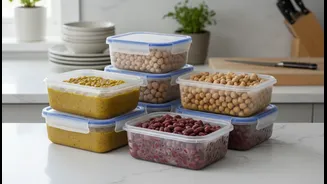
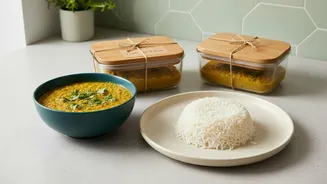
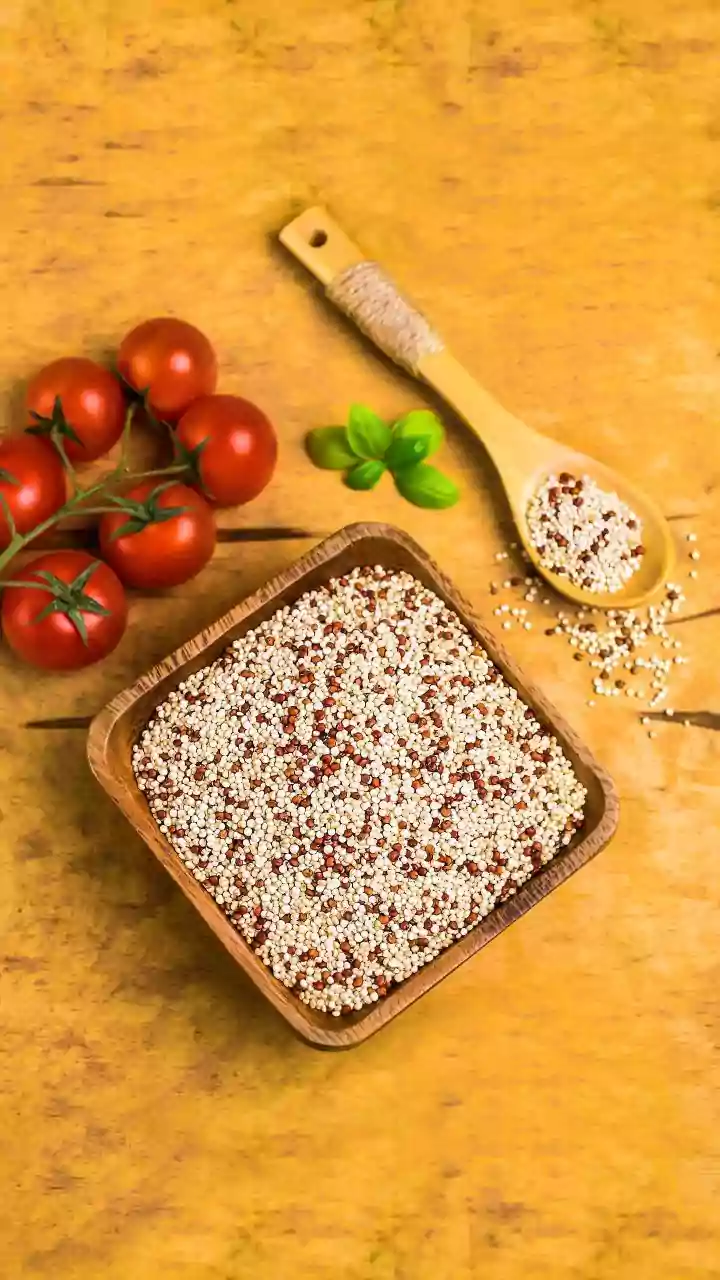
One of the most effective strategies for solo cooking is to stop thinking in terms of complete, multi-serving recipes. Instead, adopt a modular approach. At the beginning of the week, cook a few versatile components. For example, grill a few chicken breasts, cook a batch of quinoa or rice, and roast a tray of mixed vegetables. Store these in separate containers in the fridge. Throughout the week, you can assemble them in different ways: a chicken and vegetable bowl one night, a quinoa salad with chopped chicken for lunch the next day, and a simple stir-fry on the third. This method prevents the monotony of eating the exact same leftover meal for days on end while still giving you the time-saving benefits of batch cooking.
Embrace Your Freezer
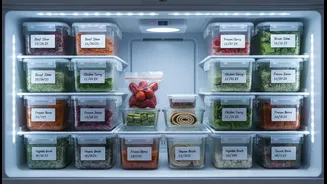
The freezer is a solo cook's most valuable asset for reducing food waste and creating a library of ready-made meals. Many dishes freeze beautifully in single portions. Soups, stews, chilis, and meatballs are excellent candidates. To avoid a large frozen block, let cooked meals cool completely, then portion them into individual freezer-safe containers or bags. For items like burgers or chicken tenders, 'flash freeze' them by placing them on a baking sheet in the freezer until solid, then transfer them to a larger bag. This prevents them from sticking together, allowing you to pull out just one at a time. You can even freeze bread, popping a slice directly into the toaster when you need it.
Rethink Your Shopping Strategy
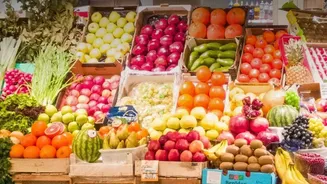
Successful cooking for one begins at the grocery store. Avoid buying ingredients in large, family-sized packages unless you know you can use or freeze them. Make friends with the bulk bins for things like nuts, grains, and spices, where you can buy the exact small quantity you need. The deli and butcher counters are also great resources for purchasing just one or two slices of cheese or a single chicken breast. When planning your meals, focus on recipes with overlapping ingredients to ensure nothing goes to waste. And don't shy away from frozen fruits and vegetables; they are just as nutritious and allow you to use only what you need, saving the rest for later.