







The Introvert's Reality
Tara Sutaria has spoken candidly about her experiences as an introvert, particularly during her childhood. In a podcast interview, she revealed feeling scared and uncomfortable in social situations, even asking to be picked up from birthday parties just
minutes after arriving. This feeling of being overwhelmed isn't unique to celebrities. For many introverts, navigating a world that often rewards extroverted behaviour can be exhausting. It’s not about being shy or anti-social; it’s about how one’s energy is spent and regained. While extroverts feel energised by social interaction, introverts find it draining and require solitude to recover.
The Science of Needing Space
There's a scientific reason behind this need to recharge. Neuroscience suggests that introverts' brains are more sensitive to dopamine, the neurotransmitter associated with reward and stimulation. This means that a level of social activity that feels pleasantly stimulating for an extrovert can quickly become overwhelming for an introvert. Their brains also show more activity in the prefrontal cortex, the area responsible for deep thought and planning. This is why introverts often feel a deep need to retreat and process their thoughts alone. Denying this need can lead to what's known as an 'introvert hangover,' a state of mental fatigue, irritability, and burnout.
The Cost of Constant Connection
When introverts don't get the downtime they need, the consequences can be significant. The feeling of being 'peopled out' is real and can lead to heightened anxiety, difficulty concentrating, disrupted sleep, and even physical symptoms. One Reddit user described becoming 'snappy, bitchy, whiney, negative' and experiencing sensory overload where everything feels brighter and louder. This isn't a personality flaw; it's a sign of a depleted social battery. In a culture that often glorifies hustle and constant connectivity, recognising the need for solitude is a crucial act of self-preservation.
How to Protect Your Downtime
Protecting your energy isn't selfish; it's necessary. If you identify as an introvert, building strategies to guard your quiet time is key to your well-being. It allows you to show up as your best self when you do choose to be social. Here are some practical ways to reclaim your peace and recharge effectively.
Schedule Your Solitude
Treat your alone time with the same importance as a work meeting or a doctor's appointment. Block it out in your calendar. Whether it's 30 minutes in the morning with a book, an evening walk, or a weekend afternoon with no plans, scheduling this time makes it a non-negotiable part of your routine. This helps you and others respect it as essential, not just 'free time' that can be filled.
Create 'Buffer' Time
Rushing from one social event to another is a recipe for burnout. Build in 'buffer' time before and after social engagements. Use this time to be in a quiet, low-stimulus environment. This could mean sitting in your car for ten minutes before heading into a party, or taking a quiet walk after a busy day at the office. This allows your system to decompress and transition, rather than being constantly bombarded with stimuli.
Master the Graceful Exit
You don't have to be the first to arrive and the last to leave. It's perfectly acceptable to leave a gathering when you feel your energy waning. You can be upfront and simply say, “I've had a wonderful time, but I need to head out now.” Having a pre-planned reason can help if you feel anxious, but remember that “No, thank you” is a complete sentence and you don’t owe anyone a lengthy explanation for protecting your energy.
Design a Recharge Zone at Home
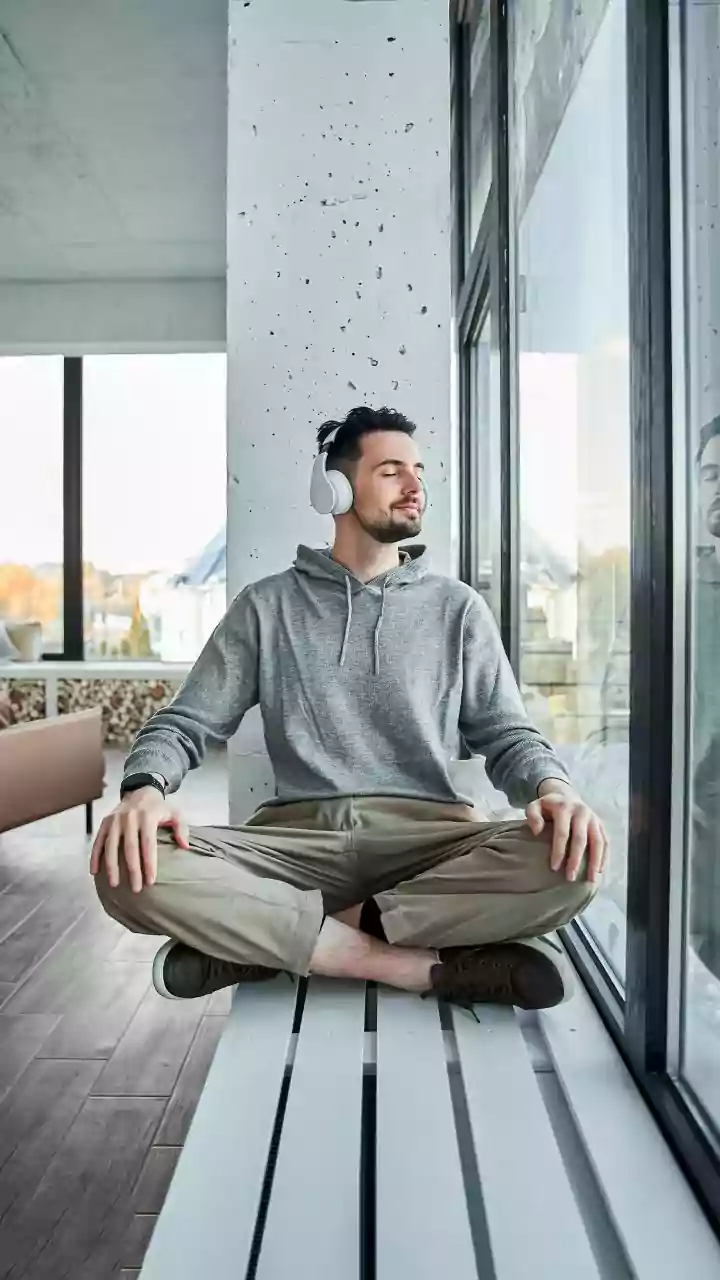
Your home should be your sanctuary. Designate a specific corner or room as your 'recharge zone.' This could be a comfortable armchair with good lighting, a small desk for journaling, or a corner with plants and a yoga mat. Keep this space free of clutter and distractions. This physical boundary signals to your brain that it's a safe space to unwind and let go of the day's pressures. Simple things like soft textures, calming colours, and noise-cancelling headphones can make a world of difference.