


What Was the Investigation About?
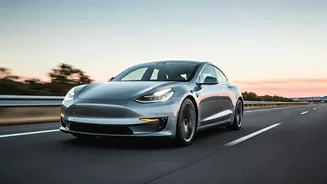
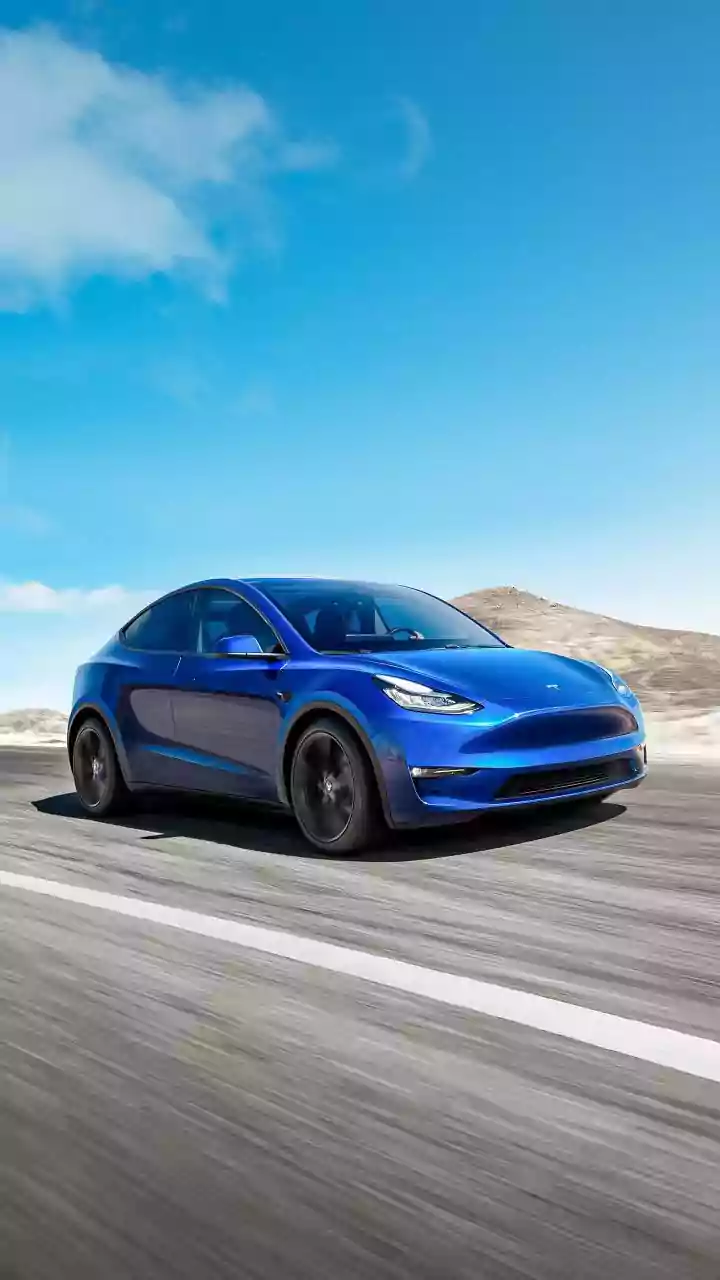
The probe, officially known as Preliminary Evaluation PE22002, was launched in February 2022. It focused on nearly 695,000 Model 3 and Model Y vehicles from the 2021 and 2022 model years. The investigation was triggered by a surge in complaints from owners
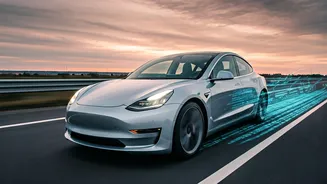
about a phenomenon dubbed "phantom braking." Drivers reported that their vehicles would suddenly and unexpectedly decelerate at highway speeds, typically by 10-20 mph over a few seconds, while using driver-assist features like Autopilot or Traffic-Aware Cruise Control. The number of complaints had jumped from 99 at the end of 2021 to over 300 by early 2022, prompting federal regulators to take a closer look.
What Did Regulators Find?
After a multi-year review, NHTSA concluded its evaluation on July 2, 2026. The agency's primary reason for closing the probe was a dramatic and sustained drop in incident reports. Following software updates Tesla pushed out in early 2022 to address the issue, complaints fell sharply. From a peak of over 300, the number of reports dwindled to 45 in 2024, 19 in 2025, and only three in the first half of 2026. Crucially, NHTSA found that while the braking events were concerning to drivers, they did not create a significant collision risk. The investigation determined there was no pattern of lane departure, and the deceleration was not severe enough to cause a meaningful loss of distance to following vehicles. Throughout the entire investigation, no collisions, injuries, or fatalities were linked to the phantom braking issue.
Why This Is a Major Win for Tesla
The closure of this probe is a significant public relations and regulatory win for Tesla. The company has long faced intense scrutiny over the safety and reliability of its Autopilot and Full Self-Driving (FSD) systems. The phantom braking issue was often cited by critics as a key example of the potential dangers of its technology, especially after Tesla transitioned from a radar-and-camera system to a vision-only approach in 2021. NHTSA's own review acknowledged that this transition likely contributed to the initial spike in incidents. However, by concluding that the issue posed a "low demonstrated hazard" and was effectively mitigated by software updates, the agency has validated Tesla's core argument: that it can rapidly address safety concerns via over-the-air updates without the need for massive recalls. This outcome bolsters the company's narrative that its software-centric approach to vehicle design is both safe and effective.
The Broader Context of Scrutiny
This victory does not mean Tesla is free from regulatory oversight. The company still faces numerous other investigations. NHTSA has opened more than 35 crash investigations since 2016 involving Tesla's automated systems. Recently, the agency escalated a separate probe into FSD's performance in low-visibility conditions like sun glare, which was linked to a fatal pedestrian crash in 2023. Another investigation was opened following a recent fatal crash in Texas where a Tesla using a driver-assist feature struck a home. The closure of the phantom braking probe is a positive data point for Tesla, but it exists within a much larger and more complex landscape of federal scrutiny. NHTSA was careful to note that closing this preliminary evaluation does not rule out a safety defect entirely, and the agency can reopen the case if new circumstances arise.