


What Are Shared Technical Standards?
Imagine trying to build a nationwide mobile network where every city uses a different type of SIM card and charging cable. It would be an inefficient and costly mess. That’s the problem India aims to avoid with its ambitious high-speed rail network. Shared
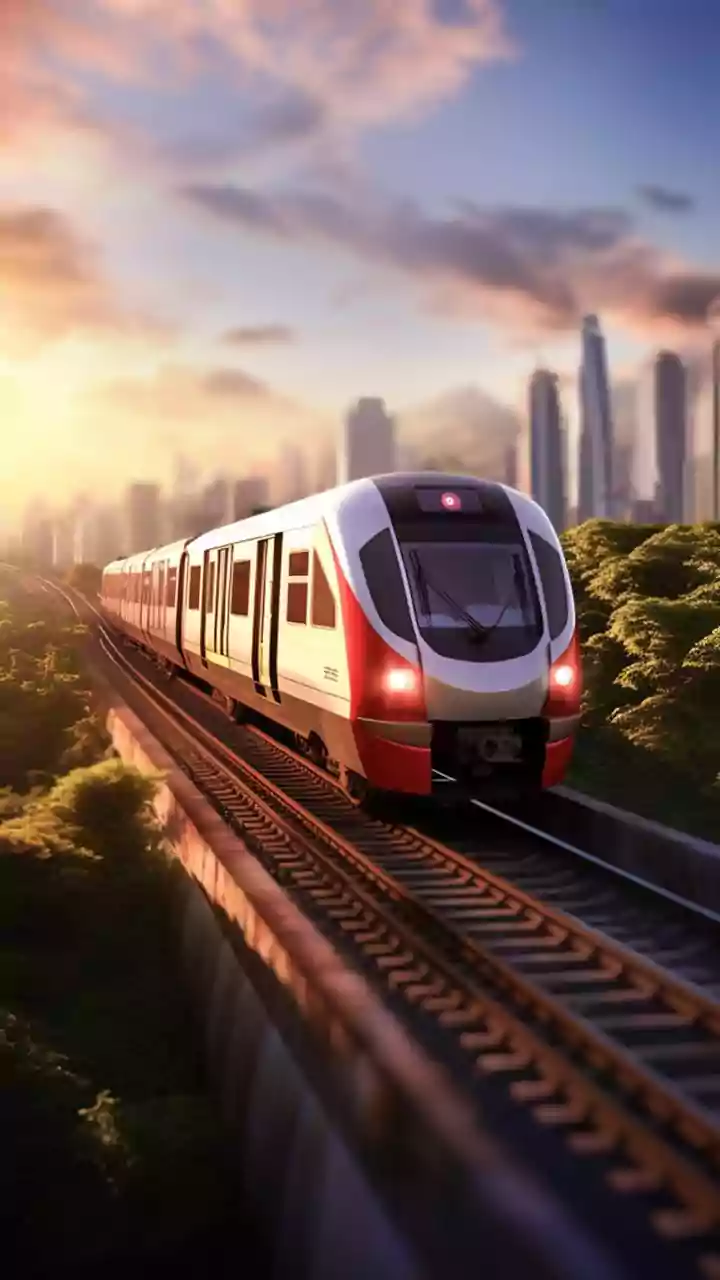
technical standards are essentially a common rulebook or a universal design language for constructing the entire system. Instead of designing every new corridor from scratch, the National High-Speed Rail Corporation Limited (NHSRCL) is creating a standardised template based on the experience gained from the Mumbai-Ahmedabad line. This blueprint will cover everything from the design of viaducts, bridges, and tunnels to the specifications for stations, tracks, and signalling systems. The goal is to create a plug-and-play model that makes building future lines faster, cheaper, and more consistent. By establishing this common framework, India is moving from a project-by-project approach to building an integrated national asset.
From Bespoke Projects to a Unified Network
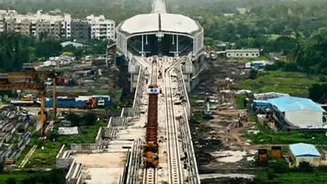
The Mumbai-Ahmedabad High-Speed Rail (MAHSR) corridor, being built with Japanese Shinkansen technology, has served as a valuable learning ground. However, relying on different foreign technologies for each new corridor would create a fragmented system, complicating maintenance, training, and supply chains. Standardisation addresses this by ensuring interoperability across the network. A train that runs on the Delhi-Varanasi line could seamlessly operate on the Chennai-Bengaluru route. This unified approach is critical for the seven new corridors announced in the Union Budget 2026-27, which will span approximately 4,000 kilometres. The NHSRCL has already started the process by inviting consultancy bids to prepare these standard designs, initially focusing on the Delhi-Varanasi and Chennai-Bengaluru corridors. This strategic shift ensures that as the network expands, it does so as a cohesive whole, not a collection of disparate parts.
Boosting 'Make in India' and Self-Reliance
One of the most significant benefits of creating common standards is the boost it provides to domestic manufacturing under the 'Make in India' initiative. When manufacturers know the exact specifications for thousands of kilometres of future tracks, signalling equipment, and rolling stock, they can invest in production facilities with confidence. This predictability creates a large, stable market for Indian companies to produce high-tech components that were previously imported. The government is actively promoting indigenous capabilities, with entities like the Integral Coach Factory (ICF) and Bharat Earth Movers Limited (BEML) already designing high-speed train sets. Furthermore, NHSRCL is working with leading Indian Institutes of Technology (IITs) to develop standards and even a homegrown train control system—the Bharat Train Control System (BTCS)—suited for Indian conditions and capable of handling speeds up to 350 kmph. This fosters an entire ecosystem of local expertise, reducing long-term costs and strengthening India's technological self-reliance.
Faster, Cheaper, and Better Construction
Developing a new high-speed rail line is a monumental engineering task. By using proven, modular designs, the need to redesign infrastructure for each new corridor is eliminated. This dramatically speeds up project execution, from planning and approvals to the final construction. Reusable engineering specifications reduce design costs and timelines, while consistent construction methods improve quality and safety across the board. Standardisation also simplifies the procurement of materials and equipment, allowing for bulk purchasing that can lower overall costs. For example, the J-Slab ballastless track technology being used on the Mumbai-Ahmedabad line will be replicated across other corridors, ensuring a uniform standard of quality and performance. This factory-like approach to building infrastructure is key to delivering a world-class high-speed network efficiently and on schedule.