






The Monsoon Breakdown Mystery
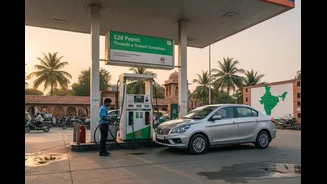
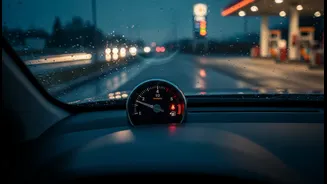
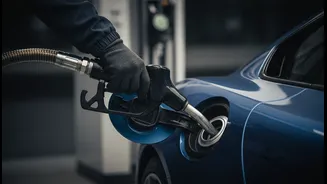
Across India, the monsoon season reliably brings an increase in vehicle breakdowns. Drivers report sputtering engines, sudden stalls, and cars simply refusing to start, often shortly after refuelling. While heavy rains and waterlogged roads are obvious
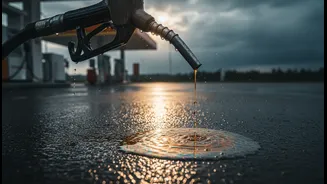
culprits for many issues, mechanics and consumer forums point to a more insidious problem: water-contaminated fuel. This issue appears to be more pronounced with the nationwide adoption of E20 petrol, which contains 20% ethanol. Recent social media posts are filled with videos and complaints from vehicle owners alleging they received a watery mix instead of petrol.
How Water Infiltrates Fuel
Water can enter the fuel supply chain at multiple points, but the risk escalates during the monsoon. The primary issue lies with the large underground storage tanks (USTs) at petrol stations. Over time, these tanks can develop minor cracks or faulty seals. During heavy rains, the rising water table can force groundwater into these tanks. Furthermore, ethanol itself is 'hygroscopic', meaning it naturally attracts and absorbs moisture from the air. In high humidity, this property can lead to water accumulation even without direct leaks. The existing infrastructure at many pumps was designed for conventional petrol, not higher ethanol blends, compounding the problem.
The 'Phase Separation' Effect
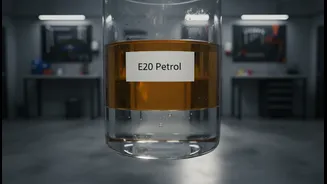
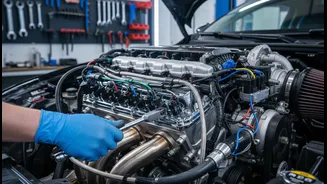
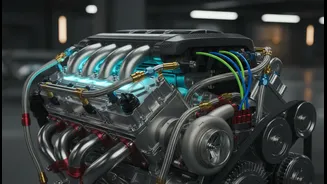
When water content in E20 petrol exceeds a certain threshold (around 0.5%), a process called 'phase separation' occurs. The ethanol, which is bonded to the petrol, breaks away and binds with the water instead. This new water-ethanol mixture is heavier than petrol and sinks to the bottom of the storage tank. Since fuel dispensing units draw fuel from the bottom of the tank, a vehicle can end up receiving a slug of this water-rich, non-combustible liquid instead of proper petrol. The result is immediate engine trouble, including misfires, jerking, and complete failure to run.
Calls for Better Testing
In response to rising complaints, calls for more stringent and frequent testing are growing louder. Petrol pump owners claim they are already checking for water contamination more frequently during the monsoon, sometimes as often as every two hours. They use methods like a dipstick coated with water-finding paste. However, consumer groups and affected motorists argue this isn't enough. The current controversy has shone a light on the potential gap between standard fuel quality checks and the specific challenge of water contamination exacerbated by E20 fuel during the monsoon. The central government has recently urged states to crack down on fuel adulteration to separate issues of deliberate malpractice from the technical challenges of handling E20.
The Official Response
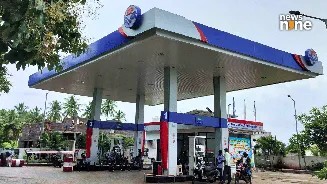
Oil Marketing Companies (OMCs) like Indian Oil and HPCL have responded to the social media outcry by launching massive inspection campaigns. After thousands of surprise checks and quality tests in mid-July 2026, the companies reported finding no evidence of widespread water contamination or adulteration, stating that fuel at their outlets met all prescribed standards. They maintain a zero-tolerance policy for quality violations and urge customers to use official channels for complaints rather than relying on unverified online posts. The government has also defended the E20 rollout, stating the fuel is safe and that its properties are accounted for in fuel standards.
How To Protect Your Vehicle
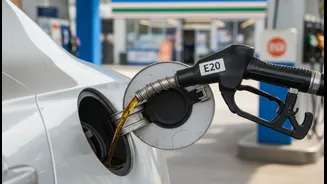
While systemic solutions are debated, drivers can take steps to protect their vehicles. Experts advise filling up at reputable, high-traffic petrol stations, as their fuel stock is turned over more quickly, reducing the chance of long-term water accumulation. Check that your vehicle's fuel cap has a proper seal to prevent rainwater from seeping in. If you suspect you have received bad fuel, do not continue to run the engine. Contact a mechanic immediately. Keeping a fuel purchase bill is crucial as it serves as evidence if you need to file a consumer complaint for engine damage. Under the Consumer Protection Act, selling adulterated fuel is an offence, and consumers can claim repair costs.