




A Sweet Fruit, A Bitter Ban
The story begins not with a trade deal, but with a ban. In 1989, the United States Department of Agriculture (USDA) effectively prohibited the import of fresh Indian mangoes. The reason was not political, but biological. The US had deep concerns about
pests common in India, particularly the fruit fly, which American scientists feared could devastate domestic agriculture in states like California and Florida if introduced. For 18 long years, this phytosanitary blockade kept legendary varieties like the Alphonso and Kesar out of the lucrative American market, much to the dismay of Indian exporters and the growing South Asian diaspora in the US.
The Dawn of Mango Diplomacy
Lifting the ban required years of patient negotiation. The core issue was finding a way to guarantee the mangoes were pest-free without damaging the fruit itself. The American solution was irradiation, a process where the fruit is exposed to a low dose of gamma rays to neutralize any larvae. India, however, was initially hesitant and lacked the required certified facilities. This impasse defined the relationship for years, with mangoes becoming a recurring, if minor, point of friction in broader trade discussions between the two democracies.
A Breakthrough Tied to Bush and Harleys
The breakthrough came in 2006. During a visit to India focused on a landmark civil nuclear pact, then-US President George W. Bush tasted an Alphonso mango and reportedly declared it a “hell of a fruit.” This personal endorsement became the catalyst for what many commentators dubbed the “mango-nuclear deal.” While not a direct swap, the agreement to allow Indian mangoes into the US was seen as part of a broader package of goodwill and trade liberalisation. This package reportedly included India easing regulations for the import of American products like Harley-Davidson motorcycles, making the mango a powerful symbol of the give-and-take nature of international trade diplomacy.
Clearing the Final Hurdle: Irradiation
Following the political agreement, India moved to meet the technical requirements. It established a USDA-approved irradiation facility to treat the fruit before export. This process, which uses Cobalt-60 to expose the mangoes to ionising radiation, sterilises any pests without making the fruit radioactive or altering its taste. In April 2007, the first official commercial shipment of Indian mangoes since 1989 landed in the United States, celebrated by officials as a fruitful outcome of a long diplomatic effort. Every Indian mango legally sold in the US today has passed through one of these certified irradiation facilities.
The Fruits of a Long Labour
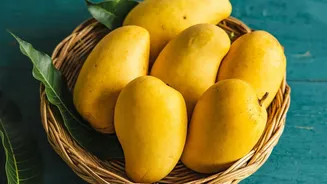
Since 2007, the export of Indian mangoes to the US has blossomed into a significant trade relationship. What started as a niche import has grown into a multi-million dollar market, with exports surging in recent years. Indian consulates now actively promote mangoes through tastings and cultural events, a practice dubbed "mango diplomacy." The arrival of varieties like Alphonso, Kesar, and Banganapalli each season creates a frenzy among connoisseurs. While the journey was fraught with regulatory hurdles and complex negotiations, the enduring presence of Indian mangoes in American stores stands as a testament to the power of diplomacy to resolve even the most stubborn of disputes, one sweet fruit at a time. The trade continues to be a matter of ongoing bilateral talks, with market access for products like pomegranates and pork also part of the conversation.