

The Allure of the Bowl
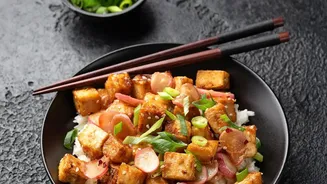
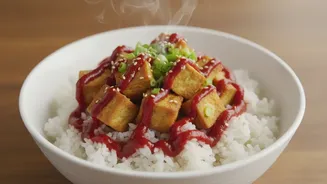
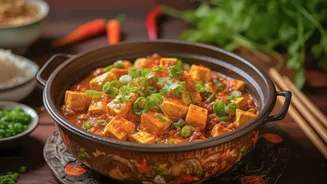
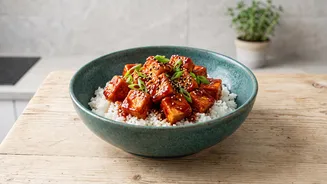
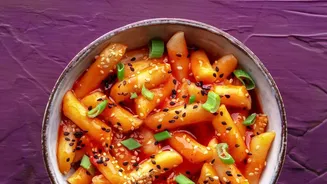
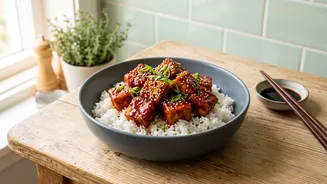
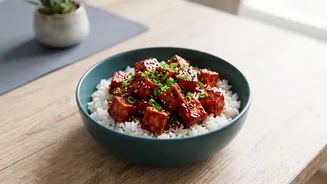
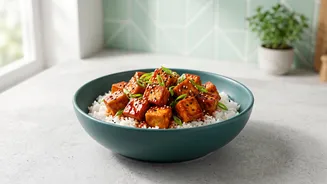
Picture a comforting bowl of warm rice forming the foundation for perfectly crisped cubes of tofu. Each piece is generously coated in a glossy, sticky sauce that’s simultaneously spicy, sweet, and deeply savoury. Accompanied by fresh or pickled vegetables
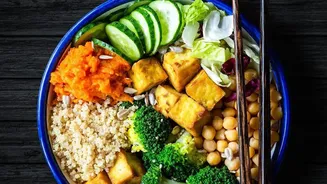
that add crunch and contrast, the gochujang tofu rice bowl has become a modern favourite for a reason. It is satisfying, texturally interesting, and packed with the kind of bold flavours that keep you coming back for another bite. It feels both nourishing and exciting, a simple meal that can be customised with endless toppings, from sliced cucumbers and carrots to kimchi and a sprinkle of sesame seeds. At its heart, this dish is a celebration of its star ingredient: a fiery, funky, and complex Korean paste.
Meet Gochujang: The Heart of the Flavor
So, what exactly is this magical ingredient? Gochujang is a staple fermented condiment in Korean cuisine, forming a foundational flavour trinity alongside doenjang (soybean paste) and ganjang (soy sauce). It's a thick, crimson paste made from red chili powder (gochugaru), glutinous rice, fermented soybean powder, and salt. Unlike one-note hot sauces, gochujang delivers a trifecta of tastes: the spiciness from the chilies, a subtle sweetness from the rice starches breaking down during fermentation, and a profound, savoury umami depth from the fermented soybeans. Traditionally fermented over months or even years in earthenware pots, this process gives it a complex character that simple chili sauces lack. It's this multifaceted flavour that makes it an indispensable tool in Korean kitchens for everything from stews and marinades to dipping sauces.
An 'Inspired' Dish, Not a Strict Replica
This brings us to a key point in the headline: the idea of a dish being 'Korean-inspired' rather than a claim of strict authenticity. While gochujang itself is a traditional ingredient with a history stretching back centuries, the gochujang tofu bowl as popularly made in many kitchens outside of Korea is a more modern interpretation. The term 'Korean-inspired' is an important distinction. It signals respect for the ingredient's origins without claiming the dish is a traditional one you would find in a Korean home. Authenticity in cuisine is complex; recipes vary from family to family, and food cultures constantly evolve. An 'inspired' dish celebrates the core flavours of a cuisine—in this case, the sweet, savoury, and spicy power of gochujang—and applies them in a new or adapted context. It’s a creative appreciation, allowing people to engage with Korean flavours in an accessible and personal way.
Building Your Perfect Gochujang Bowl
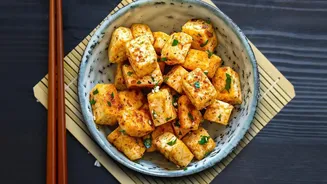
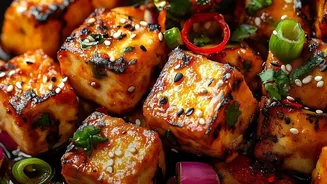
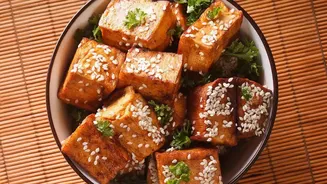
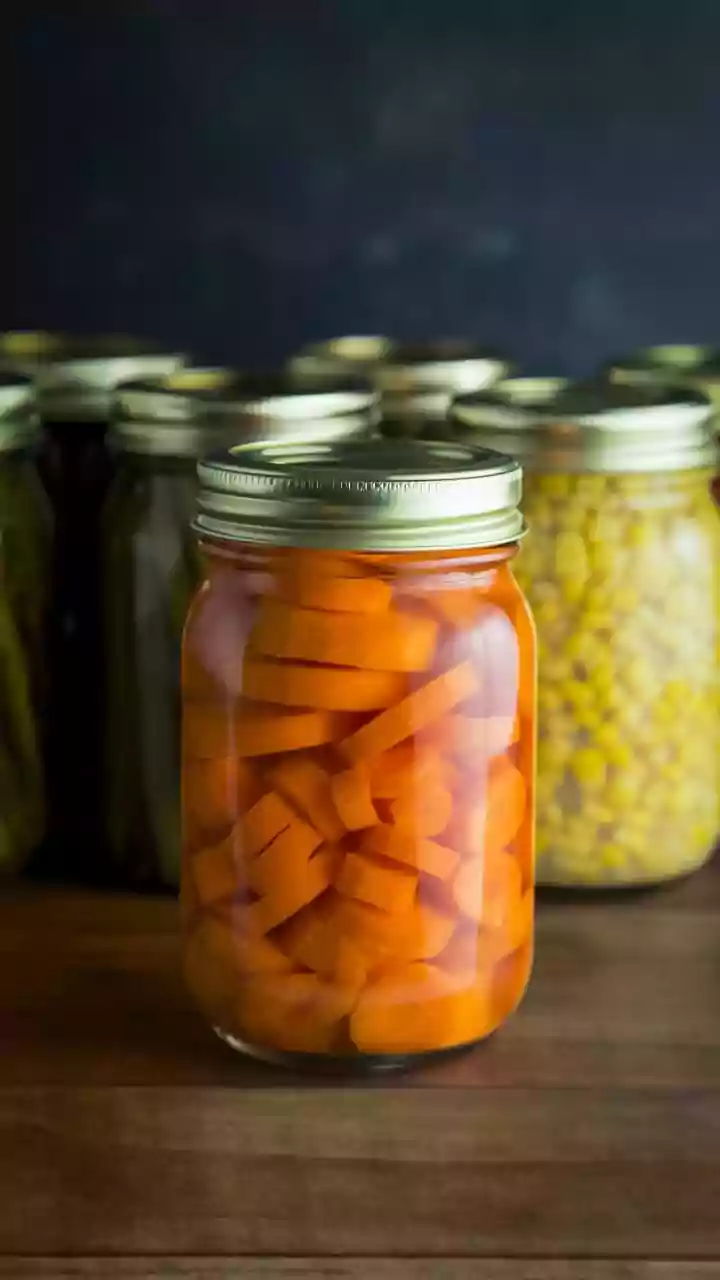
Creating your own gochujang tofu bowl is wonderfully straightforward. The key lies in balancing the sauce and surrounding it with complementary textures and flavours.For the Tofu: Start with extra-firm tofu. Press it well to remove excess water, which is crucial for achieving a crispy texture. Cube it, toss it in a bit of cornstarch, and then pan-fry, bake, or air-fry until golden brown and crisp on all sides.For the Sauce: The gochujang glaze is where the magic happens. Since gochujang is concentrated, it's best when thinned out and balanced. Whisk it with ingredients like soy sauce (or tamari), a touch of sweetener like maple syrup or agave, rice vinegar for acidity, and minced garlic and ginger for aromatic depth. Many recipes also add a little sesame oil. Once the tofu is crispy, toss it in the sauce until every piece is beautifully coated.For the Bowl: Assemble your masterpiece by spooning the saucy tofu over a bed of fluffy steamed rice. Then, add your choice of vegetables. Quick-pickled cucumbers or carrots add a fantastic tangy crunch, while steamed broccoli, edamame beans, and fresh spinach bring freshness and nutrition. Garnish with sliced spring onions and toasted sesame seeds for a final flourish.