




A Once-in-a-Dozen-Years Spectacle
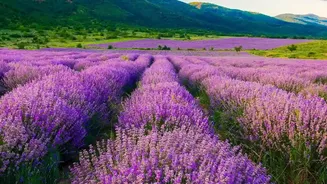
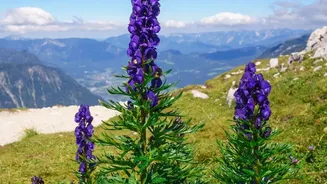
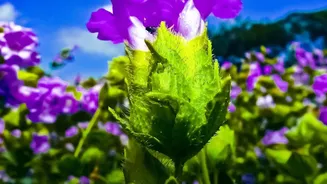
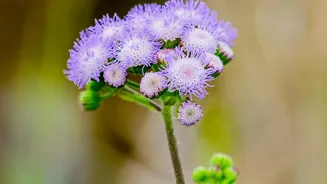
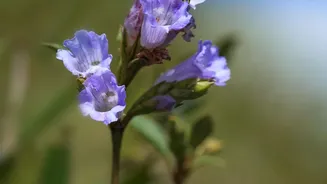
The star of this phenomenon is Strobilanthes kunthiana, known locally as Neelakurinji. The name itself is descriptive, derived from the Tamil and Malayalam words 'Neela' (blue) and 'Kurinji' (flower). This is not an annual bloom. The Neelakurinji plant
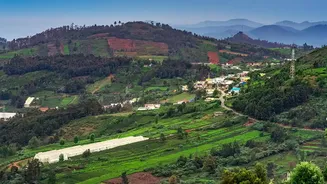
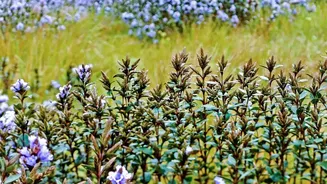
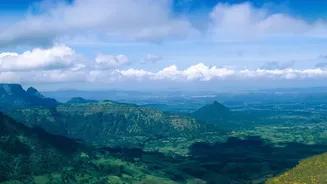
is what botanists call a plietesial, a plant with a long interval between flowering phases. For 11 years, it grows quietly on the high-altitude shola grasslands. Then, in the 12th year, it bursts into a synchronised, mass flowering event, a strategy known as gregarious flowering. This spectacle, which can last from August to October, transforms the landscape, most famously giving the Nilgiri Hills—literally, the 'Blue Mountains'—their name. After this single, glorious reproductive act, the parent plants die, releasing their seeds to begin the cycle anew. The last major bloom was in 2018, with the next one anticipated in 2030.
More Than Just a Pretty Flower
The Neelakurinji is far more than a tourist attraction; it is a keystone of its ecosystem and a cultural touchstone. Its mass flowering provides a sudden, abundant source of nectar for a host of pollinators, especially native honeybees, which in turn supports the wider ecosystem. This predictable cycle has been woven into the lives of local indigenous communities for centuries. The Paliyan tribe of Tamil Nadu traditionally used the blooming of the Neelakurinji to calculate their age. The flower also holds a significant place in classical Tamil Sangam literature, where 'Kurinji' denotes the mountainous landscape. As an indicator species, its health and flowering cycle are direct reflections of the health of the fragile shola grassland ecosystem of the Western Ghats, a UNESCO World Heritage Site.
The Threat of Human Admiration
Ironically, the very beauty that makes the flower famous is also its greatest threat. The surge in tourism during blooming season puts immense pressure on its delicate habitat. Reports from bodies like the Jawaharlal Nehru Tropical Botanic Garden and Research Institute highlight that unregulated visitor numbers lead to trampling of plants, soil compaction, and littering, all of which disrupt the plant's natural regeneration. Plucking the flowers, whether for a souvenir or with the misguided hope of cultivating it at home, is another serious problem. Forest officials often have to restrict access to blooming areas to prevent such damage. This human interference, combined with habitat loss, has led to the Neelakurinji being officially assessed as a 'Vulnerable' species on the IUCN Red List.
Why Kurinji Belongs to the Hills
The call for the flower to remain in its habitat is not just a poetic plea but a biological necessity. Neelakurinji is endemic to the shola grasslands of the Western Ghats, typically at altitudes between 1,300 and 2,400 meters. It is perfectly adapted to this specific environment, with its unique soil composition, rainfall patterns, and temperature ranges. Attempts to grow it elsewhere are almost always futile because it cannot thrive outside these precise conditions. Furthermore, its survival strategy is based on mass, synchronised flowering. This overwhelms seed predators and ensures successful pollination across a wide area. An isolated plant, removed from its community, cannot participate in this gregarious cycle, breaking a chain of events perfected over millennia.
Guarding the Blue Mountains
Recognizing the threats, conservation efforts are underway. A key step was the creation of the Kurinjimala Sanctuary in Kerala in 2006, dedicated specifically to protecting the flower's core habitat. Eravikulam National Park is another crucial protected area. However, much of the plant's habitat lies outside these protected zones, on land threatened by the expansion of tea and eucalyptus plantations, infrastructure development, and urbanization. Experts have noted that nearly 40% of its habitat may already be lost. Climate change also poses a significant risk, as altered weather patterns could disrupt the delicate timing of the bloom. Conservationists are advocating for stricter land-use policies and the creation of ecological corridors to protect fragmented populations and ensure this spectacular flower has a future.