






The Invisible Culprit: Ethylene Gas
The secret behind this rapid ripening is a simple, invisible, and odourless plant hormone called ethylene gas. Many fruits naturally produce and release ethylene as they mature. Think of it as a chemical signal that tells the fruit, and its neighbours,
that it's time to ripen. While you can't see or smell it, this gas is the primary reason why one piece of fruit can accelerate the ripening of an entire bowl. The process is so potent that even small amounts of ethylene can trigger significant changes in nearby produce.
Meet the Climacteric Crew
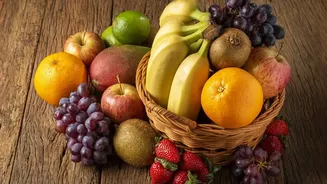
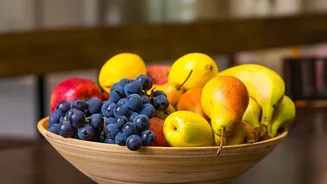
Not all fruits are created equal when it comes to ethylene. Fruits are generally divided into two categories: climacteric and non-climacteric. Climacteric fruits are the major ethylene producers; they continue to ripen after they've been picked. Apples, bananas, pears, mangoes, avocados, and tomatoes are all part of this group. They can be harvested when still firm and will soften and sweeten over time on your counter. Non-climacteric fruits, such as citrus, grapes, strawberries, and pineapples, produce very little to no ethylene after being harvested. This means they won't ripen any further once they leave the plant, so what you buy at the store is as ripe as it's going to get.
How Ethylene Works Its Magic
When a climacteric fruit releases ethylene, the gas triggers a series of chemical reactions that we associate with ripening. It stimulates enzymes that break down starches and convert them into sugars, which is why a hard, starchy pear becomes sweet and juicy. It also causes the cell walls within the fruit to soften, leading to that desirable melt-in-your-mouth texture. Finally, ethylene influences the breakdown of chlorophyll (the pigment that makes fruit green) and the production of other pigments, resulting in the vibrant yellows, oranges, and reds of a fully ripened fruit.
Harnessing the Power of Ripening
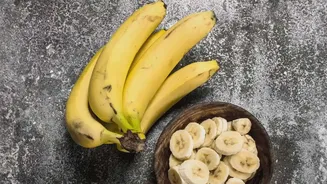
This knowledge isn't just for scientists; you can use it to your advantage in the kitchen. If you have a rock-hard avocado or a stubbornly green mango you want to use soon, you can speed up the process. Simply place it in a paper bag with a ripe banana or an apple. The paper bag traps the ethylene gas produced by the banana or apple, concentrating it around the unripe fruit and encouraging it to soften and sweeten much more quickly. This simple trick can turn a week-long wait into a day or two.
The Art of Strategic Separation
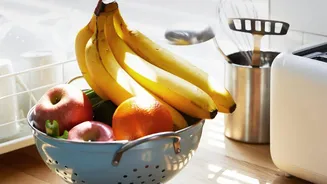
The flip side of this coin is preventing your produce from spoiling too quickly. To make your groceries last longer, it's crucial to store them strategically. The golden rule is to separate the high ethylene producers from the ethylene-sensitive items. Never store your apples and bananas alongside produce like lettuce, broccoli, carrots, or leafy greens, as the gas will cause them to wilt, yellow, and spoil prematurely. Similarly, keep potatoes and onions apart; the gases from onions can cause potatoes to sprout. Storing your ethylene-producing fruits in the refrigerator can slow down their gas production and the ripening process, giving you more time to enjoy them.