




A New Model for a New Era
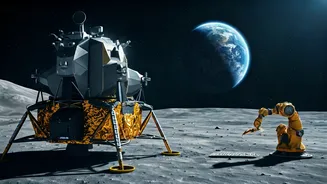
Forget the Apollo-era model where NASA designed and built everything from the ground up. For the Artemis program, and specifically its goal of a sustained lunar presence, the agency is embracing a new philosophy centered on public-private partnerships.
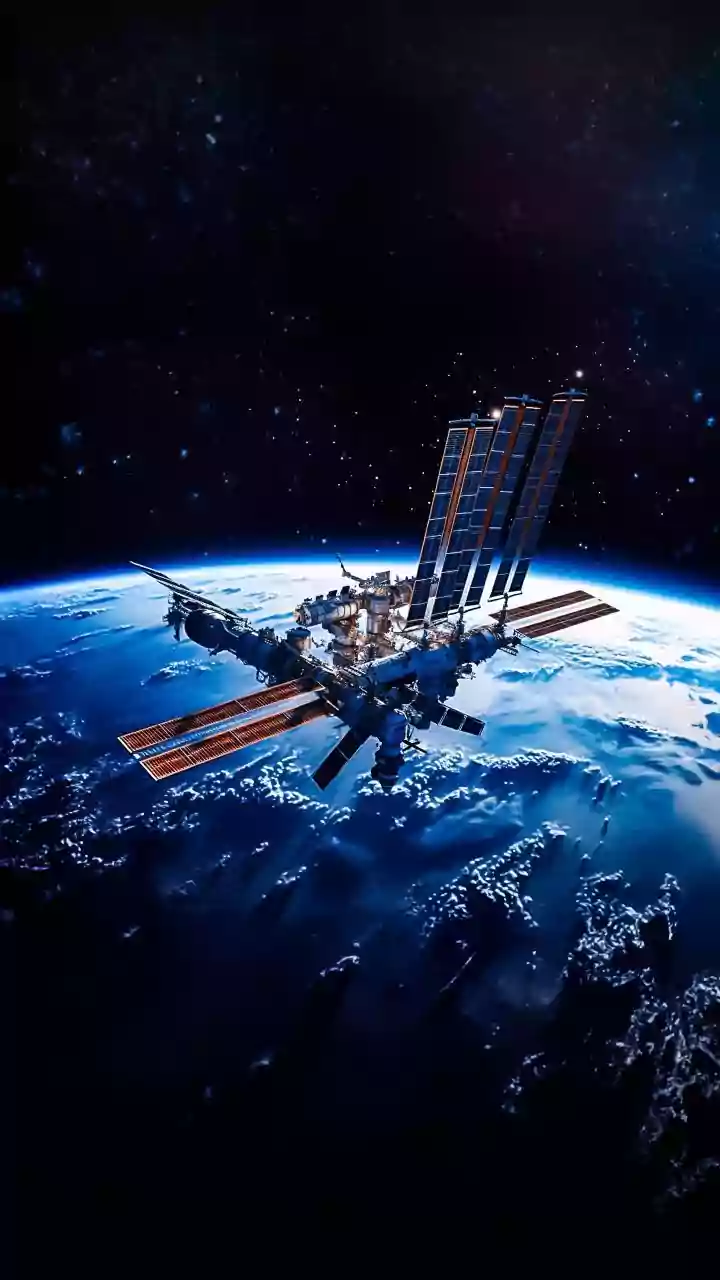
This approach mirrors the success of the Commercial Crew and Commercial Cargo programs, which hired companies like SpaceX to ferry astronauts and supplies to the International Space Station, saving taxpayer money and fostering innovation. By becoming a customer that buys services instead of managing every detail, NASA aims to make lunar access more frequent, affordable, and sustainable. The goal is to cultivate a robust commercial ecosystem on and around the Moon, where NASA is one of many customers.
The Latest Commercial Recruits
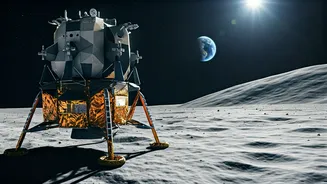
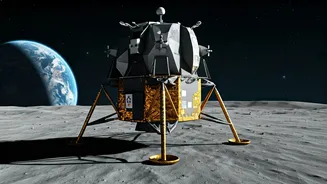
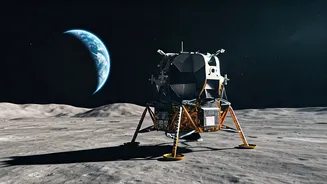
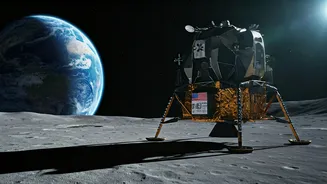
This strategy took a major leap forward on June 30, 2026, when NASA announced nearly $600 million in new contracts for four uncrewed missions to the Moon. The awards went to three American companies: Astrobotic, Firefly Aerospace, and Intuitive Machines. Astrobotic secured the largest portion, about $298 million, for two deliveries. Firefly and Intuitive Machines received approximately $144 million and $148 million, respectively, for one mission each. These missions, slated for late 2028, are part of the Commercial Lunar Payload Services (CLPS) initiative, which serves as the logistical backbone for establishing a moon base. The companies are tasked with delivering NASA science instruments and technology demonstrations to the lunar surface, using updated versions of landers they have already flown.
What 'Lunar Base Work' Means
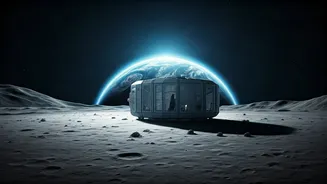
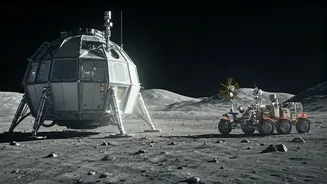
These initial missions are about laying the groundwork for what comes next. The payloads include instruments to study the lunar environment, such as how a lander's exhaust plume interacts with surface dust and spectrometers to analyze radiation. But the larger push involves creating the fundamental infrastructure needed for humans to live and work on the Moon. NASA is actively seeking industry help to develop scalable power generation systems to survive the two-week lunar night, communication and navigation networks, and technologies for in-situ resource utilization (ISRU)—the idea of using local materials like lunar regolith (dust) to produce oxygen, water, or even construction materials. Startups are already working on ways to turn this dust into landing pads and habitats, which would dramatically reduce the mass and cost of materials that need to be launched from Earth.
The Strategic Importance of the South Pole
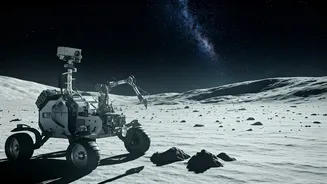
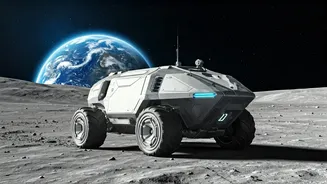
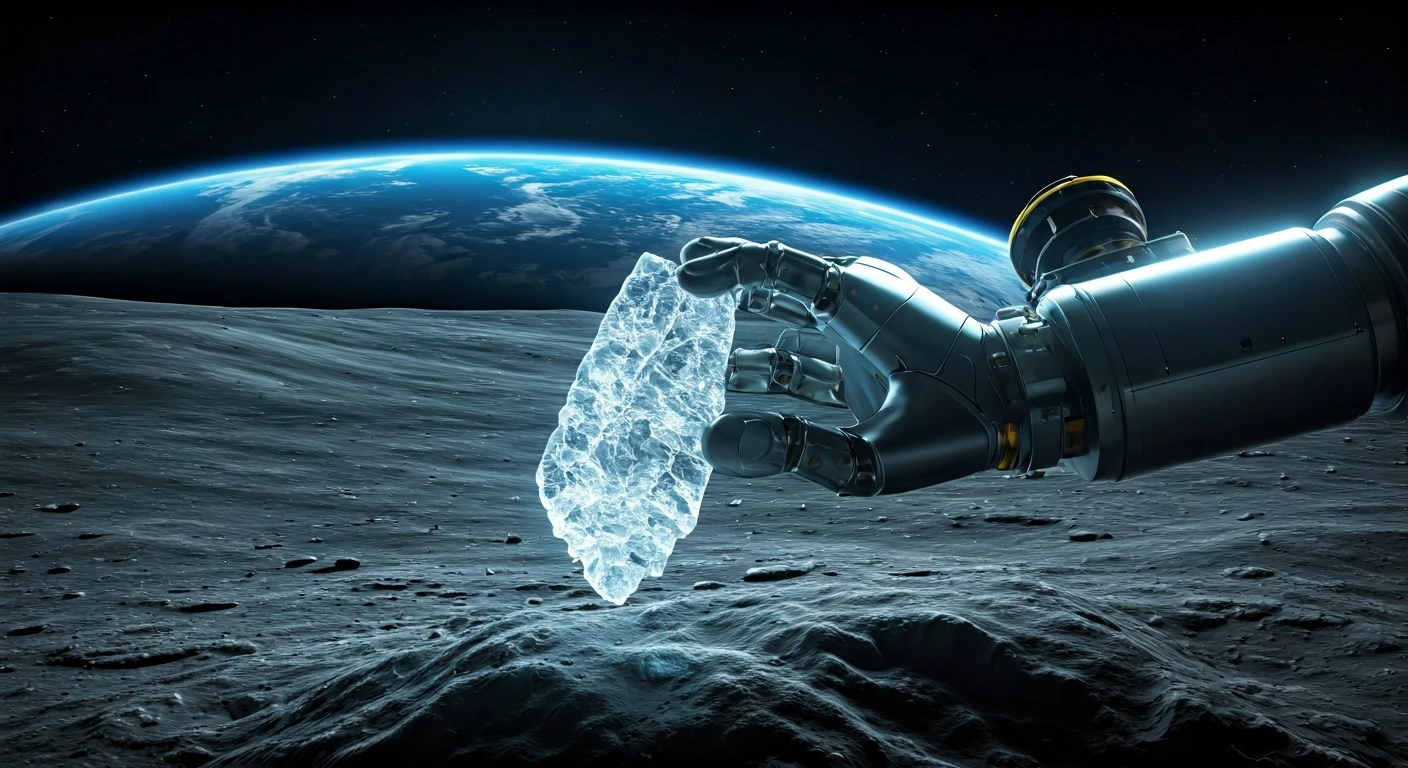
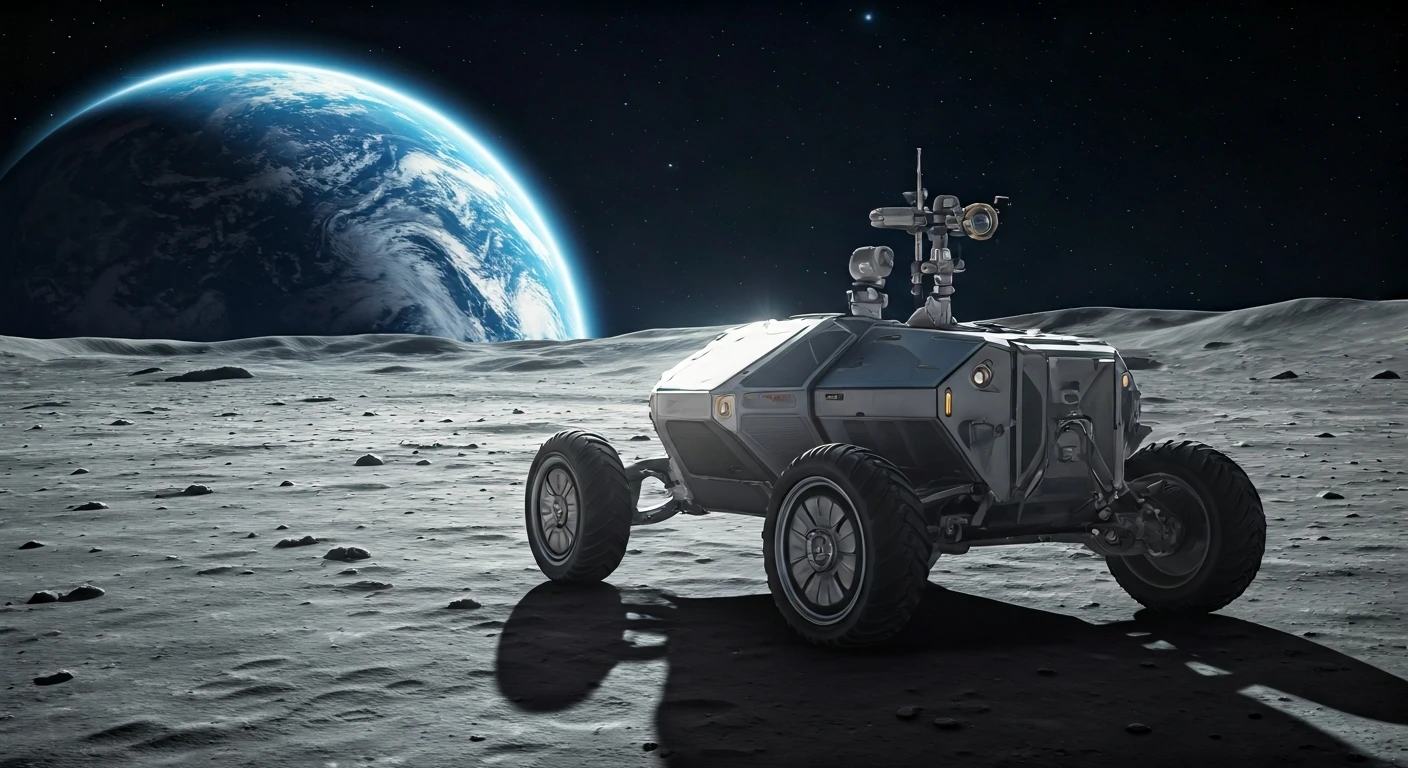
The focus of these efforts is the Moon's South Pole, a region of significant scientific and strategic interest. Its permanently shadowed craters are believed to contain water ice. This ice could be a game-changer, providing not only drinking water for astronauts but also hydrogen and oxygen for rocket propellant. To better explore this challenging environment, NASA is also considering sending a new, highly capable rover to the Moon. Dubbed PROMISE, the rover is a version of the successful Mars rovers Curiosity and Perseverance and would be powered by a radioisotope system, allowing it to operate during the long, dark, and extremely cold lunar night—a major advantage over solar-powered vehicles.
The Path to a Lunar Economy
Ultimately, this push toward private partnerships is about more than just building an outpost; it's about kickstarting an entire economy beyond Earth. By stimulating commercial capabilities for transport, power, and resource extraction, NASA is helping to create a market where businesses can serve not just the agency, but other countries and private ventures as well. This sustained operational presence on the Moon is a critical stepping stone in the Artemis program's long-term vision. It serves as a proving ground for the technologies and operational experience that will be required for the next giant leap: sending the first crewed missions to Mars.