






The Bondi Beach Paradox
The Dream: A kilometre of golden sand, world-class surf, and the quintessential Sydney beach experience. Bondi is famous for a reason. You imagine spreading your towel with plenty of space, soaking in the sun, and enjoying the vibrant but relaxed atmosphere.
The Reality: With up to 2.9 million visitors a year, and daily crowds that can swell to 40,000 on a summer holiday, finding that peaceful patch of sand can be a challenge. It's less 'tranquil escape' and more 'major global attraction'. The beach is often teeming with people, from locals getting their daily exercise to tour groups capturing the perfect selfie. The Solution: To find your moment of peace, timing is everything. Arrive for sunrise, and you’ll share the beach with only a handful of dedicated surfers and joggers. Weekday mornings are also significantly quieter than weekends. For a truly similar vibe without the peak crowds, take the stunning coastal walk to nearby Tamarama, Bronte, or Coogee beaches, which offer their own beautiful settings with a more local, laid-back feel.
Uluru's Shared Silence
The Dream: A deeply spiritual experience in the heart of Australia's Red Centre. You picture watching the sacred monolith change colours at sunrise or sunset in profound silence, connecting with ancient land and culture. The Reality: While the spiritual significance is undeniable, you'll be sharing the experience. Key sunrise and sunset viewing platforms are popular, filled with tour buses and visitors all vying for the perfect shot. Uluru receives around 400,000 visitors annually, and while the area is vast, people concentrate in the best viewing spots. While climbing the rock was banned in 2019 out of respect for the Aṉangu people, the site remains a major tourist draw. The Solution: Escape the main platforms. Consider hiring a car to find quieter viewing spots along the roads circling the rock. Better yet, undertake the full 10km base walk. Many tourists only visit the most accessible sections, but the full loop allows you to find pockets of solitude and appreciate the rock's diverse textures and sacred sites up close. Visiting in the hotter, less popular months can also mean fewer people, but be prepared for the extreme temperatures.
The Twelve Apostles Viewpoint
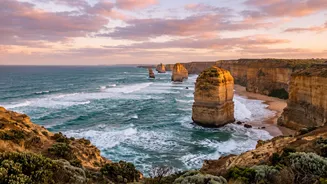
The Dream: Standing on a cliff, looking out over the wild Southern Ocean as waves crash against majestic limestone stacks, with only the sound of the wind and sea for company. The Great Ocean Road is one of the world's most iconic drives, and the Apostles are its crown jewel. The Reality: The main viewing platform for the Twelve Apostles is conveniently located just off the Great Ocean Road, which means it is almost always busy. During peak times, especially midday when tour buses from Melbourne arrive, the walkways are packed with people jostling for a photo. It can feel more like a quick roadside stop than a profound nature experience. The Solution: Visit at the very beginning or end of the day. Sunrise and sunset offer not only more dramatic lighting but also far fewer people, as most day-trippers have either not arrived or have already left. For an even quieter experience, continue driving a few minutes west to the Bay of Islands or Bay of Martyrs. These areas feature similarly spectacular sea stacks and coastal views but attract a fraction of the visitors.
The Great Barrier Reef Experience
The Dream: Floating weightlessly in crystal-clear water, surrounded by a vibrant kaleidoscope of coral and tropical fish. The Great Barrier Reef is a natural wonder, and the idea of having a piece of it to yourself is a powerful lure. The Reality: As one of the world's top destinations, the reef hosts over two million visitors a year. Many tours operate from large, permanently moored pontoons that can host hundreds of people at once. This can lead to a crowded snorkelling or diving experience, with fins everywhere and a less-than-serene atmosphere. The pressure of 'overtourism' is a real concern for this fragile ecosystem. The Solution: Choose your operator wisely. Smaller, eco-certified tour companies often visit less-crowded, more exclusive reef sites. Consider a liveaboard trip for a few days; these vessels can travel to the outer reefs, far from the day-trip crowds, offering a much more intimate and immersive experience. By supporting operators involved in conservation and reef monitoring, you also contribute to the long-term health of this natural treasure.