







The Hidden Thirst Behind Every Query
Every time you ask a chatbot a question, generate an image, or use an AI-powered tool, you are initiating a process that consumes resources. While the energy consumption of AI has received significant attention, its water usage is an equally critical,
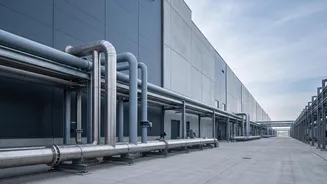
though less discussed, consequence. This water is not just a minor byproduct; it's a fundamental component of the system that keeps the AI revolution running. The process happens in massive, nondescript buildings called data centres, packed with powerful, heat-generating servers. Keeping these servers from overheating is a constant battle, and one of the primary weapons is water.
Cooling the Brains of AI
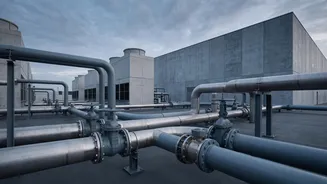
AI models, especially large language models like GPT-4, require immense computational power, which in turn generates a tremendous amount of heat. To prevent hardware from failing, data centres rely on sophisticated cooling systems. The most common method is evaporative cooling, which uses water to cool the air or surfaces. Think of it like a gigantic, high-tech swamp cooler. Water is evaporated to dissipate heat, but this means the water is consumed—turned into vapor and lost to the atmosphere. While effective, this process can require millions of litres of water per day for a single large data centre, sometimes as much as a small city.
Indirect Gulp: The Energy-Water Nexus
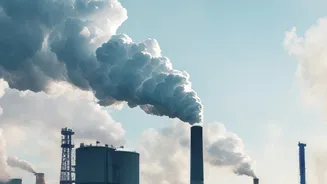
Direct cooling is only part of the story. The majority of AI's water footprint, over 90% according to some estimates, is indirect. It comes from the water required to generate the colossal amounts of electricity that data centres demand. Power plants, whether they are fossil fuel or nuclear, use vast quantities of water for their own cooling processes. Therefore, even a data centre that uses advanced air-cooling technology still has a significant water footprint if its electricity is sourced from a water-intensive grid. This interconnectedness of energy and water means that calculating AI's true thirst requires looking far beyond the data centre walls.
A Staggering Scale
The numbers are startling and can be difficult to comprehend. Research from 2023 estimated that training the GPT-3 model alone may have consumed 700,000 litres of water for direct cooling. When you ask a chatbot a series of questions, it could use the equivalent of a 500ml bottle of water. Globally, AI's water demand is projected to be between 4.2 and 6.6 billion cubic metres by 2027—a volume that is roughly half of the UK's entire annual water consumption. These figures are not static; as AI models become more complex, their energy and water needs are expected to grow exponentially. A query on a next-generation model like GPT-5 could use significantly more resources than current versions.
The Industry's Response and Innovations
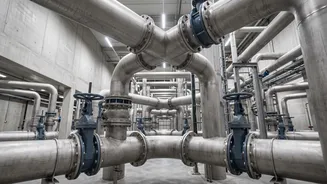
Tech giants are not ignorant of the problem, partly due to increasing public scrutiny and the operational risks involved, especially as many data centres are built in water-stressed regions. Companies like Microsoft and Google have become more transparent about their water usage and are investing in solutions. Microsoft has claimed its newest data centres can operate with zero water consumption for cooling under normal conditions by using closed-loop liquid cooling systems that recirculate the same water. Google is partnering with local utilities to use recycled wastewater for cooling and has committed to replenishing more water than it consumes by 2030. However, despite these innovations, the overall water consumption for major tech companies has continued to rise year-over-year due to the explosive growth of AI services.