







What the New Draft Proposes
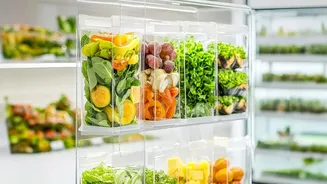
The Food Safety and Standards Authority of India (FSSAI) has introduced draft regulations aimed at strengthening the rules around materials that come into contact with food. A key part of this is ensuring a strict separation between packaging meant for
food and materials designed for industrial or other non-food uses. This includes defining what 'food-grade' truly means and setting clear standards that materials must meet to qualify. The regulations explicitly state that any material touching food must not endanger human health or change the food's composition or taste. This move is designed to close loopholes and prevent accidental contamination that can occur when different types of materials are processed in the same facilities.
The Danger of a Mix-Up
So, why is this separation so important? The primary concern is chemical migration. Non-food-grade materials, such as plastics intended for industrial use or certain types of recycled plastics, can contain chemicals that are harmful if ingested. When these materials touch food, those chemicals can leach out and contaminate what you eat. These contaminants can range from heavy metals to plasticizers and other additives not meant for human consumption. Over time, exposure to such substances can pose significant health risks. The new rules aim to prevent this by ensuring that only materials certified as safe are allowed anywhere near the food supply chain.
Food-Grade vs. Everything Else
'Food-grade' is a term we see often, but the FSSAI is giving it a stricter definition. It means the material has been tested and proven safe for direct food contact under its intended use. It won’t react with the food, alter its taste or smell, or release any harmful substances. This is in sharp contrast to industrial-grade packaging, which is designed for durability or chemical resistance without considering human consumption. The regulations also tackle 'non-intentionally added substances' (NIAS), which are chemicals that can appear in packaging as a by-product of manufacturing or recycling, further tightening the safety net.
A New Look at Recycled Plastics
For a long time, the use of recycled plastics in food packaging was prohibited in India due to safety concerns. However, acknowledging the environmental need for a circular economy, recent FSSAI guidelines have begun to change this. The authority now permits recycled plastics, specifically recycled Polyethylene Terephthalate (rPET), to be used for food packaging, but only if they meet extremely strict safety and quality standards. Manufacturers must use FSSAI-approved recycling technologies that include a thorough decontamination step to remove any potential contaminants from previous uses. Conventional recycling processes are explicitly not allowed for producing food contact materials.
What This Means for You
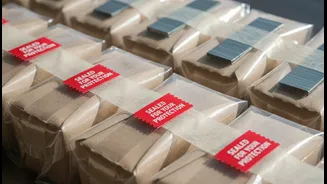
For consumers, these new regulations promise safer, more transparent food packaging. The rules mandate clearer labeling, and FSSAI has even introduced a specific logo for products using approved recycled PET, so you can identify sustainable and safe options. For the food and packaging industries, this means a significant shift. Manufacturers will need to invest in compliant machinery, source certified materials, and ensure their processes meet the new, rigorous standards for both virgin and recycled materials. Companies wishing to produce or use food-grade recycled PET must now register with and get approval from FSSAI, a list of which will be publicly available.