



A Hydration Powerhouse
Zucchini is composed of approximately 95% water. This impressive statistic is the primary reason it is so low in calories, with a medium-sized zucchini containing only about 33 calories. But it's not just water and air; this summer squash is also a good
source of several important nutrients. It provides dietary fibre, which is crucial for healthy digestion. Furthermore, it is packed with vitamins and minerals, including significant amounts of Vitamin C, an antioxidant that supports the immune system, and potassium, which is important for heart health and regulating fluid balance. The skin of the zucchini is particularly nutrient-dense, harbouring the highest levels of antioxidants, so it's best to leave it on whenever possible.
The Advantage of Volume Eating
The concept of 'volume eating' involves choosing foods that allow you to eat a large, satisfying portion for relatively few calories. Zucchini is a prime example of a volume food. Its high water and fibre content add bulk to your meals, which can help you feel physically fuller. When your plate looks generous and you feel satisfied after eating, you are less likely to overeat or reach for higher-calorie snacks soon after. This makes zucchini an excellent tool for managing weight without feeling deprived. By incorporating it into your meals, you can increase your portion size and overall food intake while keeping your total calorie consumption in check.
Preparation: Raw and Lightly Cooked
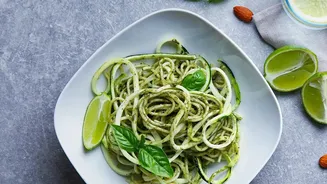
How you prepare zucchini significantly impacts its texture and nutritional profile. To take full advantage of its water content for maximum volume, consider eating it raw or lightly cooked. Raw zucchini offers a similar nutritional profile to cooked, but with more Vitamin C, which can degrade with heat. Spiralized into 'zoodles' as a pasta alternative, shaved into ribbons for a salad, or simply chopped and served with a dip are all excellent ways to enjoy it. A quick sauté or steaming also works well; these methods soften the vegetable slightly without causing it to release all its water and become mushy. The goal is to heat it just until it's tender-crisp, preserving its structure and hydrating properties.
Preparation: Roasting and Grilling
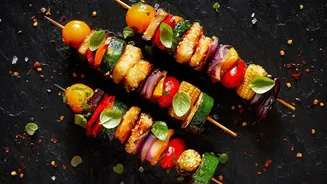
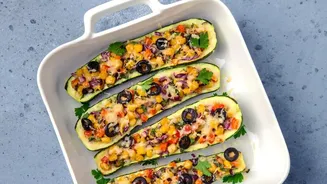
While light cooking preserves water, methods like roasting and grilling do the opposite—they draw moisture out. This isn't a downside; it's a different strategy. By reducing the water, these high-heat methods concentrate the zucchini's natural, subtle sweetness and create a more robust flavour and firmer texture. This makes it a delicious side dish or addition to other dishes. The key is to manage the preparation to keep it light. Use minimal oil and rely on herbs and spices for flavour. A common mistake is drenching it in oil, which negates the low-calorie benefit. Grilling zucchini planks or roasting diced pieces until they are just browned at the edges transforms the vegetable into something deeply flavourful without adding significant calories.
Smart Swaps and Meal Bulking
Beyond being a simple side dish, zucchini is incredibly versatile for bulking up meals and making smart swaps. You can reduce the carbohydrate load of a lasagna by replacing some or all of the pasta sheets with thinly sliced zucchini planks. Grated zucchini can be mixed into pasta sauces, soups, or even meatball and burger mixtures to add moisture and nutrients without altering the taste significantly. This not only stretches your ingredients further but also seamlessly boosts your vegetable intake. Using zucchini to bulk up dishes like stir-fries or casseroles means you can serve a satisfying portion that is lighter in calories and richer in nutrients than the original recipe.