





The Two Faces of Cinnamon
Cinnamon is derived from the inner bark of trees belonging to the Cinnamomum genus. While there are hundreds of species, the two you are most likely to encounter are Cassia cinnamon and Ceylon cinnamon. Cassia is the bold, spicy, and overwhelmingly common
type found in most supermarkets, especially in North America. It comes from several related trees, often grown in China, Indonesia, and Vietnam. Ceylon cinnamon, often called “true cinnamon” (from the Cinnamomum verum tree), is native to Sri Lanka and southern India. It is considered a more premium, delicate spice and is priced accordingly. If a label just says “cinnamon,” it is almost certainly Cassia.
Spot the Stick: The Visual Test
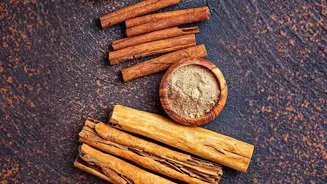
The easiest way to tell the two apart is by looking at the whole sticks, or quills. Cassia cinnamon is what the headline describes: it has a thick, hard, woody bark that curls inward from both sides to form a simple, hollow tube that looks like a single scroll. It is typically dark, reddish-brown. Ceylon cinnamon, on the other hand, is composed of many paper-thin layers of bark that are rolled together into a fragile, multi-layered quill, often compared to a cigar. It is much more brittle and crumbly. The color is also a clue; Ceylon is a lighter tan-brown compared to the darker Cassia.
The Powder Problem
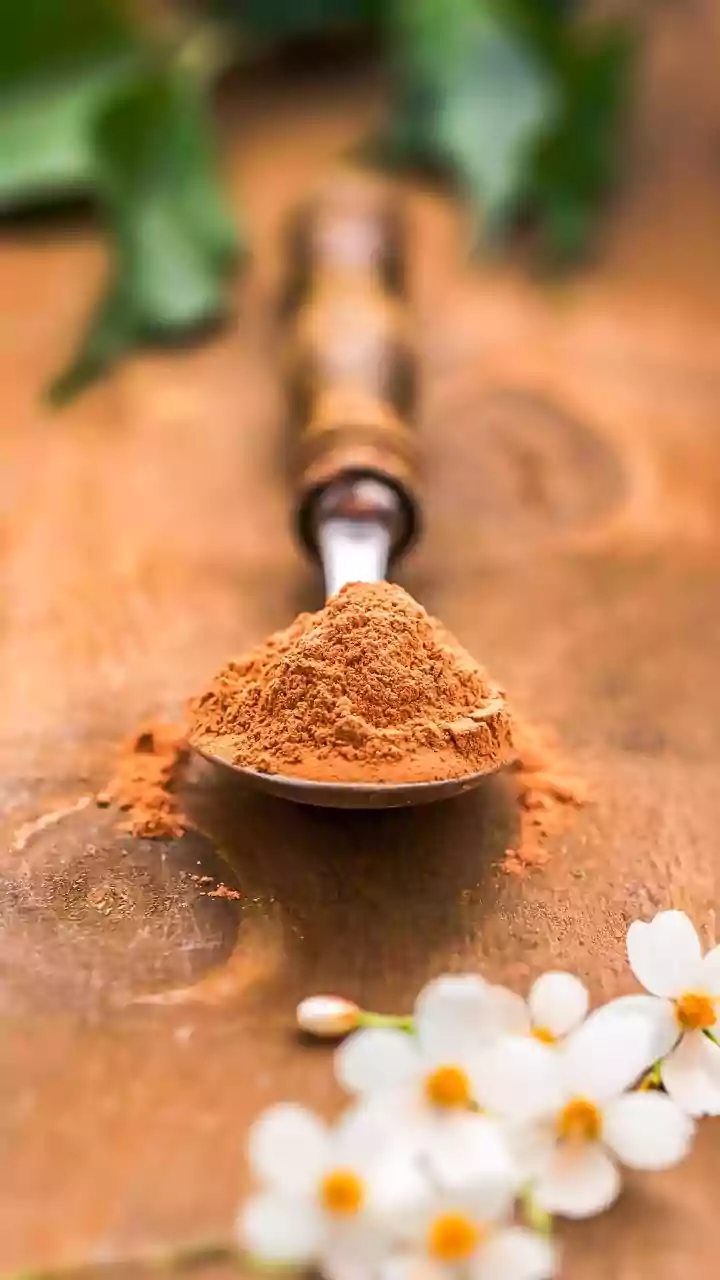
Once ground, telling the difference becomes much more difficult. While Ceylon powder is generally lighter in color and finer in texture, Cassia can vary in color, sometimes making a visual identification unreliable. The most reliable way to know what you are buying in powdered form is to read the label. Products specifically labeled “Ceylon cinnamon” or “true cinnamon” are your best bet if that is what you are after. Without that specific label, you are likely holding Cassia.
A Tale of Two Flavors
The visual differences are mirrored by distinct flavor profiles that make each type suitable for different culinary uses. Cassia delivers a powerful, spicy, and pungent flavor. Its robustness stands up well in hearty baked goods like cinnamon rolls, savory stews, and spice rubs. Ceylon cinnamon is far more delicate, with a sweet, mild, and almost floral or citrusy flavor. Its subtlety is prized in lighter desserts like custards, beverages, and as a finishing spice where you want a nuanced aroma without overwhelming the dish.
The Health Question: What Is Coumarin?
Beyond flavor, there is another key difference: a naturally occurring compound called coumarin. Cassia cinnamon contains significantly high levels of coumarin, which can be toxic to the liver in large or regular doses. A single teaspoon of some Cassia varieties can contain more than the tolerable daily intake for an adult as set by European food safety authorities. In stark contrast, Ceylon cinnamon contains only trace amounts of coumarin, making it a much safer choice for those who consume cinnamon daily for health purposes or in large quantities. While occasional use of Cassia in cooking is not a cause for alarm for most people, heavy users may want to opt for Ceylon.