


The Rush to Decompose
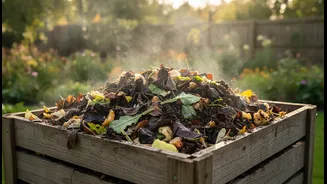
It’s satisfying to see a pile of kitchen scraps and yard trimmings shrink, seemingly melting away into the earth. This rapid disappearance feels productive, like you’re fast-tracking your way to the nutrient-rich “black gold” promised by gardening experts.
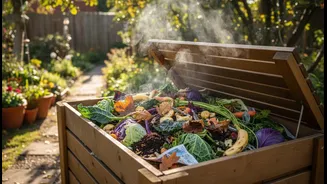
Many commercial composting operations, in fact, use high heat to speed up the process. This has led many home composters to believe that a hot, fast pile is the ultimate goal. While a hot pile isn't inherently bad, the obsession with speed often leads to practices that create poor-quality, smelly, and ultimately less beneficial material for your garden. The real goal isn't just to get rid of waste, but to cultivate a thriving ecosystem that produces a superior soil amendment.
Good Rot vs. Bad Rot
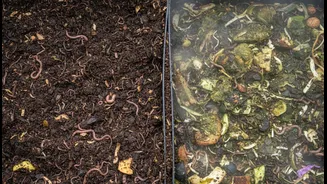
The key difference between healthy composting and simple decay lies in one crucial element: oxygen. Healthy composting is an aerobic process, meaning it's driven by microorganisms that need oxygen to thrive. These are the good guys who efficiently and cleanly break down organic matter, leaving behind a stable, nutrient-rich product. A quick breakdown, on the other hand, is often the result of anaerobic decomposition, which occurs when there's not enough air. This oxygen-starved environment is dominated by different microbes that work less efficiently and produce smelly byproducts like hydrogen sulfide (think rotten eggs). If your pile is a slimy, stinky mess, it’s a clear sign that it has gone anaerobic. It's breaking down, yes, but it's rotting, not composting.
Signs of a Healthy Process
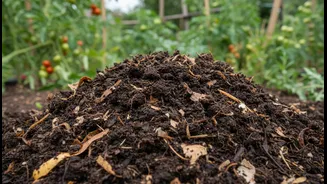
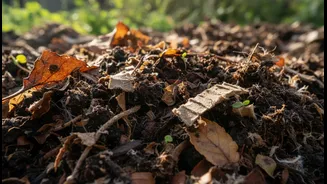
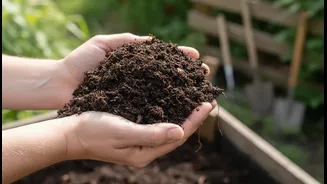
So, how do you know if you’re on the right track? Finished, healthy compost has a very distinct profile. It should be dark brown or black, with a crumbly, soil-like texture, often described as feeling like a damp sponge. Most importantly, it will have a pleasant, earthy smell, like a forest floor after it rains. You shouldn't be able to recognize the vegetable peelings or leaves you added months ago. This slow, patient transformation results in compost that is not only rich in balanced nutrients but also teeming with a diverse range of beneficial bacteria and fungi. This microbial diversity is what truly enhances your garden soil's health, structure, and ability to retain water.
The Slow Food of Gardening
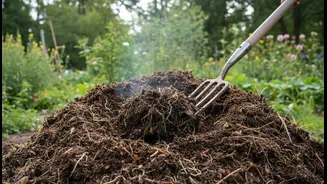
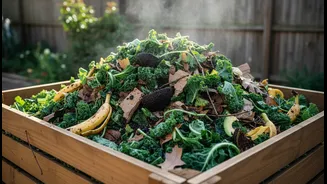
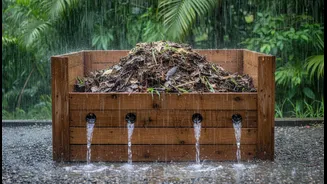
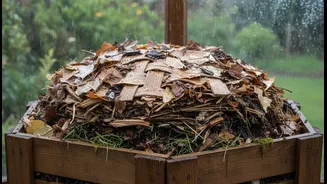
Think of healthy composting as the “slow cooker” method of gardening. It requires less frantic intervention and yields a more complex, nutrient-dense result. Achieving this is about balance, not speed. The most critical factor is maintaining a proper carbon-to-nitrogen ratio, or a mix of “browns” and “greens.” Browns are carbon-rich materials like dried leaves, straw, shredded cardboard, and twigs. Greens are nitrogen-rich items like kitchen scraps, fresh grass clippings, and coffee grounds. A good rule of thumb is to aim for two to three parts brown material for every one part green material. This balance provides the ideal diet for aerobic microbes. Equally important are moisture and aeration. The pile should be damp, not soggy, and turning it occasionally with a garden fork introduces the oxygen necessary to keep the good microbes happy and prevent the pile from going anaerobic.