




Beneath the Bustle of Mall Road
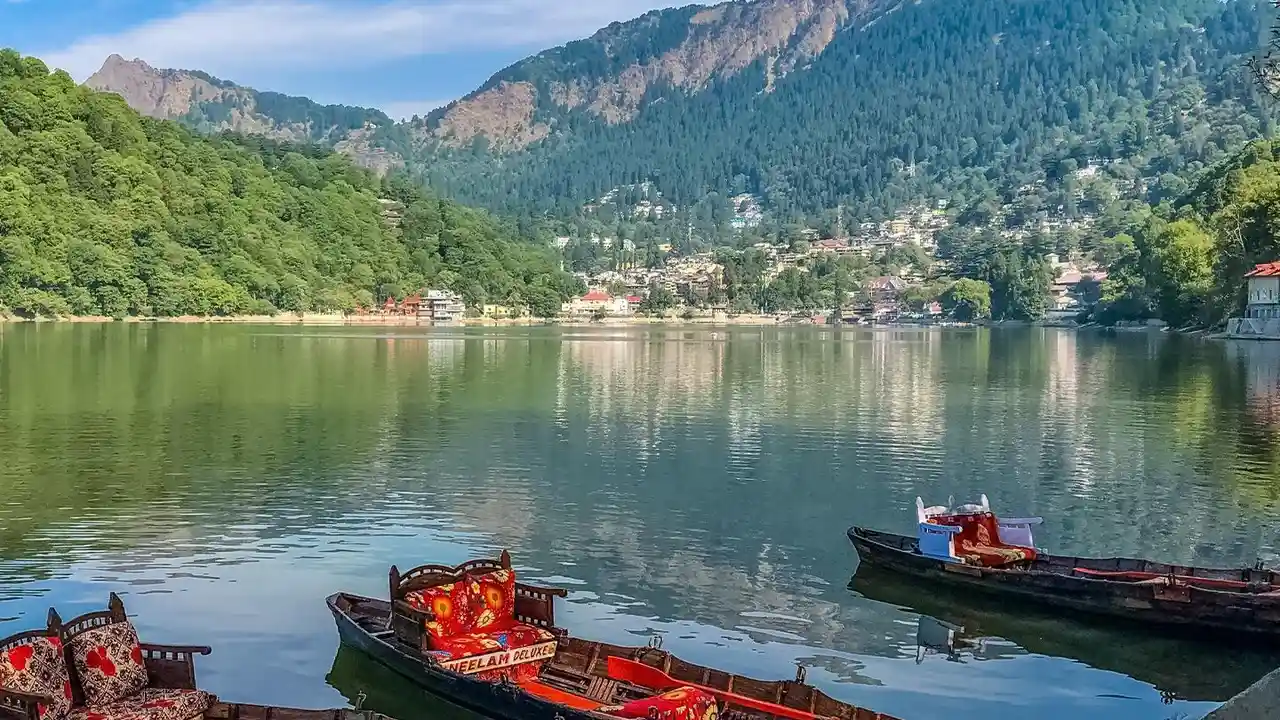
The 1.5-kilometre stretch now officially named Govind Ballabh Pant Marg, but forever known as The Mall, is the town's beating heart. It runs parallel to the iconic Naini Lake, connecting the two ends of town, Tallital and Mallital. Today, it’s a sensory
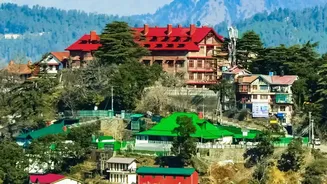
overload of colourful woollens, fragrant candles, and the chatter of holidaymakers. Yet, this promenade was constructed during British rule, intended for leisurely strolls by colonial officials and their families escaping the summer heat of the plains. Look past the modern facades, and you can still spot heritage structures: old hotels with colonial-style balconies, the Freemasons Hall, and the Nainital Boat House Club, all whispering tales from the 19th century when this town was the summer capital of the United Provinces.
A Sanctuary in the Wilderness
A short detour from the northern end of Mallital leads you to a pocket of profound quiet: the St. John in the Wilderness Church. Established in 1844, this neo-Gothic structure is one of the earliest buildings in Nainital. Surrounded by a dense deodar forest, its weathered stone and stained-glass windows feel a world away from the town's commercial hum. The church got its name when the Bishop of Calcutta, Daniel Wilson, fell ill while visiting to lay its foundation and had to sleep in an unfinished hut on the edge of the forest. Inside, a brass plaque serves as a sombre memorial to the 151 victims of the devastating landslide of 1880, a catastrophic event that reshaped the town.
The Flats: Born from Disaster
That same 1880 landslide, which tragically buried the original Naina Devi Temple and the Victoria Hotel, also created one of Nainital's most iconic public spaces. The area at the lake's northern edge, where the hotel and shops once stood, was flattened and cemented, giving rise to the large recreational ground known as 'The Flats'. What was once a scene of disaster became a hub for community life. Today, it hosts everything from cricket and football matches to cultural festivals and the bustling Tibetan market, a vibrant testament to the town's resilience and ability to build a new present upon the foundations of its past.
A Castle in the Kumaon Hills
Further afield, a grander statement of colonial power and architectural ambition awaits. The Raj Bhawan, or Governor's House, is a magnificent Victorian Gothic building designed by F.W. Stevens and completed in 1899. Originally built as the summer residence for the British governors, its design resembles a Scottish castle, complete with turrets and sprawling grounds. With 113 rooms, lush gardens, and its own golf course, it was a self-contained world designed for the ruling elite. After Independence, it became the official residence for the Governor of Uttarakhand, with Sarojini Naidu being its first Indian gubernatorial occupant. Today, visitors can tour parts of this impressive estate and imagine a time when decisions impacting the entire province were made from within these walls.
The Legacy of Gurney House
Not all of Nainital's colonial past is about grand public buildings. On the Ayarpatta slopes, you can find Gurney House, the former residence of the legendary hunter-turned-conservationist, Jim Corbett. Built in 1881, the charming cottage was where Corbett and his sister Maggie lived until they departed for Kenya in 1947. The house was constructed using materials from their previous home, which was dismantled after a landslide, lending it its name. Now a private residence, the owners welcome Corbett enthusiasts for tours by appointment. To walk through its rooms, which still contain some of Corbett's belongings, is to connect with a more personal, intimate side of Nainital's colonial history, one shaped by individuals who fell in love with its wilderness.