

Nature's Sweetness, Packed with Nutrients
When you crave dessert, your body is often just asking for sugar. The difference between a processed dessert and a piece of fruit lies in how that sugar is delivered. A slice of cake provides a rush of refined sugar with few other nutrients. Papaya, on
the other hand, offers natural sweetness from fructose and glucose, but it comes packaged with significant benefits. It's a source of fibre, which helps slow the absorption of sugar and promotes a feeling of fullness. A single small papaya also provides a wealth of vitamin C, a powerful antioxidant, along with potassium, which supports heart health. Unlike sugary snacks, papaya is a choice that satisfies your sweet tooth while actively contributing to your nutritional intake.
The Unexpected Digestive Bonus
Beyond its sweet taste and vitamin content, papaya contains a special enzyme called papain. This enzyme is a type of protease, which means it helps break down proteins, making them easier for your body to digest and absorb. For centuries, papain has been used in traditional remedies to ease digestive complaints like bloating, gas, and constipation. While much of the formal research has focused on concentrated papain supplements, eating the whole fruit provides a natural source of this enzyme. Enjoying papaya after a protein-heavy meal may help your digestive system feel more comfortable and efficient.
Simple Ways to Enjoy Papaya for Dessert
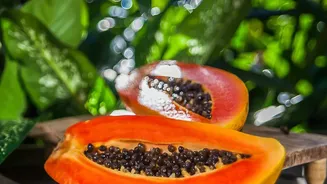
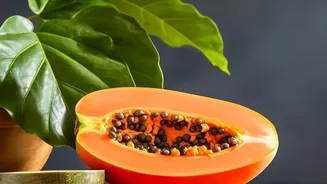
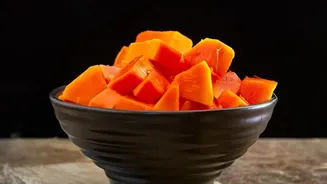
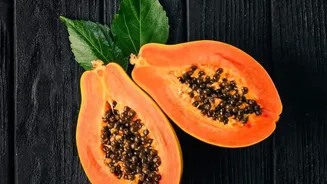
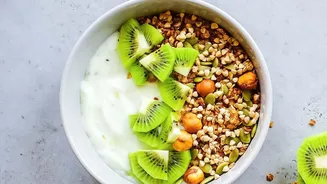
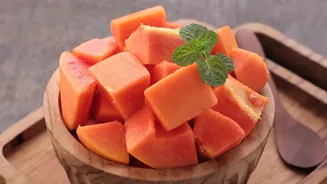
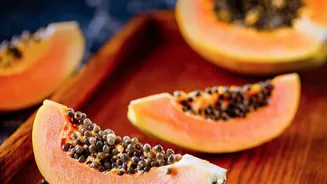
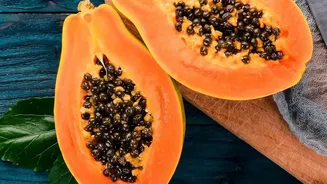
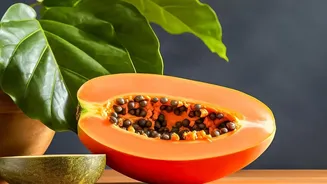
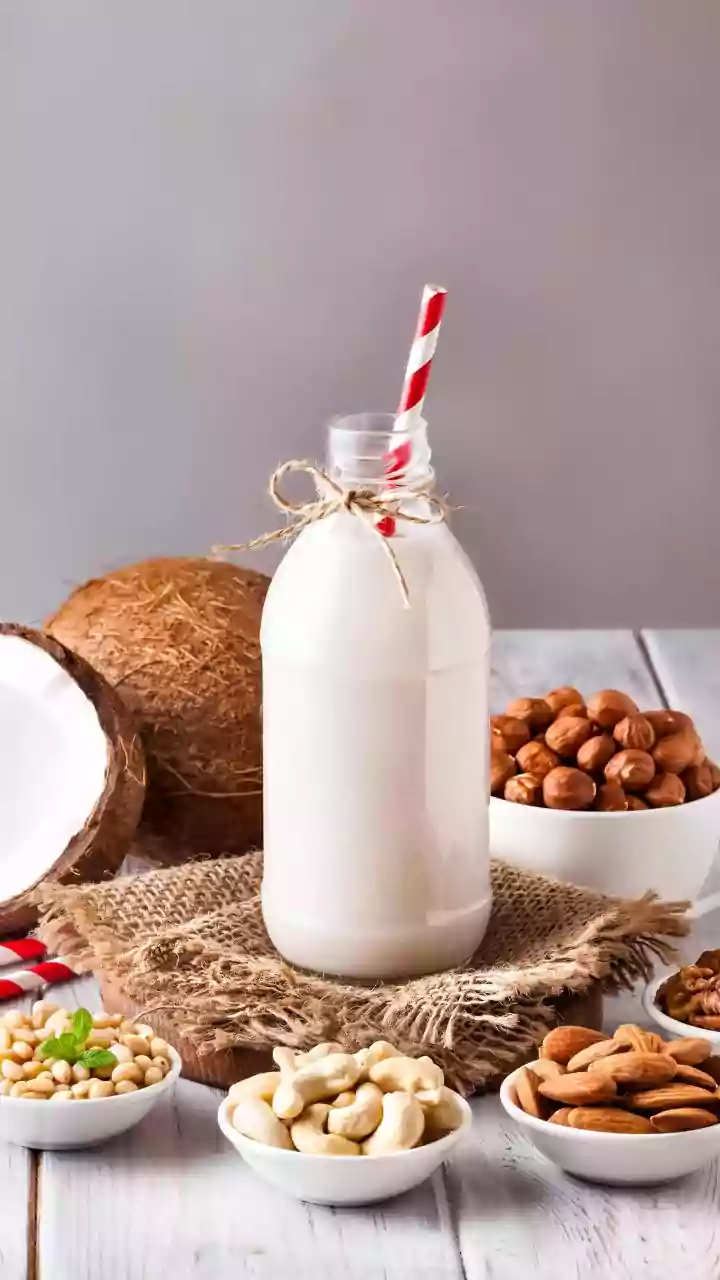
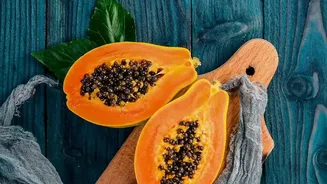
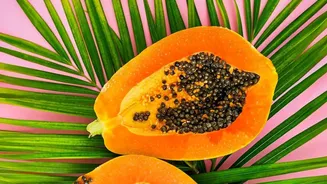
Making the switch to a fruit-based dessert doesn't have to be complicated. The beauty of papaya lies in its simplicity. Here are a few easy ways to prepare it: Classic with a Twist: The simplest method is often the best. Serve chilled papaya slices or cubes with a generous squeeze of fresh lime juice. The lime's acidity cuts through the papaya's musky sweetness, creating a refreshing and balanced flavour profile. Papaya 'Boat': Cut a small papaya in half lengthwise and scoop out the seeds. Fill the cavity with a dollop of Greek yogurt, a sprinkle of nuts or seeds for crunch, and a drizzle of honey if desired. It's a visually appealing dessert that is both satisfying and full of texture. Frozen Papaya Cubes: For a treat that mimics the chill of ice cream, freeze cubes of ripe papaya. Once frozen, you can eat them as is for a simple, sorbet-like snack or blend them with a splash of coconut milk for a quick and creamy 'nice cream'. Simple Papaya Salad: Dice ripe papaya and combine it with other tropical fruits like pineapple and mango. A light dressing of lime juice and a pinch of chili powder can create a sweet and spicy dessert salad.
Choosing and Storing the Perfect Fruit
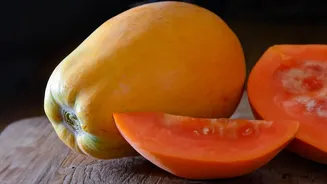
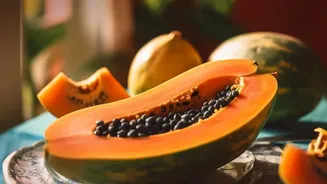
To get the most out of your papaya dessert experience, you need to start with a good fruit. When shopping, look for a papaya that is mostly yellow or orange-yellow. It should yield to gentle pressure, much like a ripe avocado, but should not have soft, mushy spots or wrinkled skin. A sweet, fruity aroma near the stem is also a good sign of ripeness. If you buy a mostly green papaya, you can let it ripen on your kitchen counter for a few days. Once it is ripe, store it in the refrigerator to maintain its flavour and texture for up to a week. For longer storage, you can peel, seed, and cube the fruit, then freeze it for up to a year.