



First, Assess Your Balcony's Light
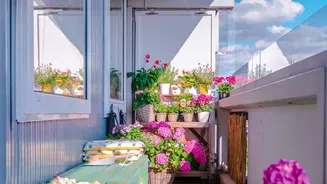
Before you buy a single plant, spend a day observing your balcony. The key is to understand how much direct sunlight it receives. 'Full sun' generally means six or more hours of direct, unfiltered sunlight. This is common for south-facing or unobstructed
west-facing balconies, which get intense afternoon heat. 'Partial shade' refers to balconies that get three to six hours of direct sun, often in the morning (east-facing) or late afternoon. 'Shade' means less than three hours of direct sun, or only bright, indirect light for most of the day. This is typical for north-facing balconies or those heavily overshadowed by other buildings. Knowing your light pattern is the most critical step in choosing plants that will thrive, not just survive.
Embracing the Sun: Plants for Bright Balconies
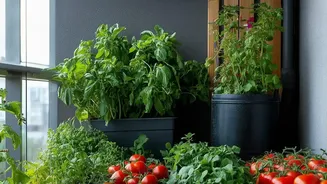
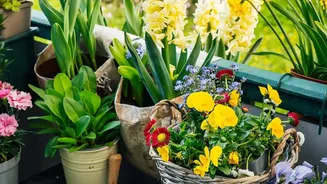
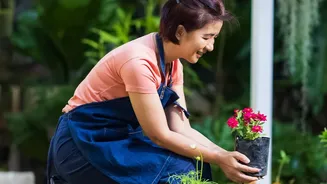
A sun-drenched balcony is perfect for vibrant, heat-loving plants that produce abundant flowers and foliage. Bougainvillea is a classic choice, known for its colorful bracts and ability to thrive in direct sun with good drainage. Similarly, Hibiscus (Gudhal) offers large, beautiful blooms and is a familiar favourite in many homes. For smaller pots and a burst of colour, consider Portulaca (Moss Rose), an extremely heat-tolerant annual that flowers prolifically in the sun. Many fragrant flowers and useful herbs also flourish in these conditions. Mogra (Jasminum sambac) and Chameli (Jasminum grandiflorum) can fill your evenings with a sweet scent, while herbs like Tulsi (Holy Basil) and Mint do well with consistent watering. Even some vegetables like tomatoes and chillies can be grown in containers on a sunny balcony.
Thriving in the Shade: Choices for Low-Light Balconies
A shaded balcony doesn't have to be a barrier to gardening; it’s an opportunity to grow lush, elegant foliage plants. The key is to choose plants that naturally grow in low-light conditions. The Snake Plant is one of the most resilient options, tolerating low light and infrequent watering. Money Plant (Pothos) is another forgiving choice that looks wonderful trailing from hanging baskets or climbing a small trellis. For a touch of elegance, the Peace Lily adapts well to low-light spaces and can produce beautiful white blooms. Ferns are another fantastic option for creating a soft, leafy texture in shaded corners. While flowering may be less prolific in the shade, some plants like Begonias and Impatiens can still provide colour.
More Than Just Light: Other Keys to Success
Sunlight is crucial, but it's not the only factor. The right container is essential. Ensure your pots have drainage holes to prevent waterlogging, which can kill even the hardiest plants. The size of the pot also matters; larger pots hold more soil and moisture, requiring less frequent watering than small ones, which can dry out quickly in the sun. Wind can be another challenge on higher floors, drying out plants and even damaging them. Consider creating a windbreak or choosing sturdier plants. Finally, remember that plants in hot, sunny spots will need more frequent watering than their counterparts in the shade. Always check the soil moisture with your finger before watering instead of sticking to a rigid schedule.