






The Scale of the Slowdown
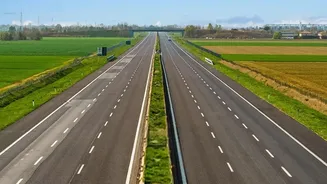
The numbers paint a clear picture of the challenge at hand. According to information presented in Parliament, a staggering 629 out of 1,191 ongoing National Highway (NH) projects have missed their original completion deadlines. This isn't a problem confined
to one or two regions; it's a widespread issue affecting states across the country. Maharashtra leads with 60 delayed projects, followed closely by Karnataka with 47 and Uttar Pradesh with 44. In some smaller states like Kerala and Nagaland, the problem is even more acute, with nearly all active highway projects overshooting their target dates. This data, disclosed by the Ministry of Road Transport and Highways (MoRTH), underscores the persistent execution hurdles facing one of India's most critical infrastructure programs.
Why the Brakes are On
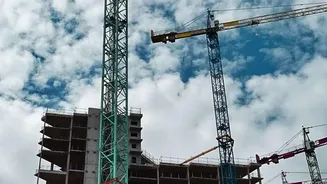
There is no single culprit behind these delays, but rather a complex mix of systemic issues. Topping the list are bottlenecks in land acquisition. A parliamentary panel report highlighted that disputes over land, inaccurate records, and prolonged compensation negotiations are responsible for about 35 percent of all project delays. Following closely are procedural hurdles, including obtaining environmental and forest clearances, especially for routes passing through ecologically sensitive zones. The financial health of construction contractors is another major factor, with many facing constraints due to rising input costs for materials like steel and cement, and limited access to credit. Furthermore, poor performance by contractors has led to the government penalizing or blacklisting over 100 firms in recent years, adding another layer to the execution challenges.
The Economic and Social Toll
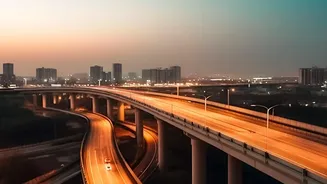
Delayed highways are more than just an inconvenience for travellers; they represent a significant drag on the economy. Incomplete road networks lead to higher logistics costs for businesses, making the movement of goods slower and more expensive, which can weaken export competitiveness. This has a direct impact on industrial productivity and can deter foreign investment. Some estimates suggest that India's lack of adequate infrastructure shaves 1-2 percent off its GDP growth every year. For ordinary citizens, the impact is felt through increased traffic congestion, pollution, and the delayed promise of regional development and connectivity that new highways are meant to bring. The social cost includes the continued risk on older, less safe roads, as evidenced by the government's identification of over 6,300 accident-prone corridors on the existing network.
Can India Get Back in the Fast Lane?
The government is acutely aware of the problem and is rolling out a multi-pronged strategy to get projects back on track. A key policy shift has been the decision to not award work orders until at least 90 percent of land is acquired and all environmental clearances are secured, aiming to prevent projects from stalling mid-construction. To tackle the root causes, digital platforms like the 'BhoomiRashi' portal for land acquisition and the 'Parivesh' platform for environmental clearances are being used to speed up processes. There is also a renewed focus on contractor accountability and quality control. The ministry is increasingly using technology for stricter monitoring, including a new platform called PAIMANA for tracking central infrastructure projects and even considering Mobile Quality Control Vans to conduct on-site testing. By overhauling agreements to make them more attractive to private investors and strengthening oversight, the hope is to clear the roadblocks hampering the nation's highway ambitions.