




What is This New Report?
The headline refers to the annual 'The State of Food Security and Nutrition in the World' (SOFI) report, a global check-up on hunger and nutrition. The 2026 edition, released by the FAO and other UN agencies, has a special focus on the cost and affordability
of healthy diets. Instead of just asking if people have enough calories to eat, this report uses a smarter metric called the 'Cost and Affordability of a Healthy Diet' (CoAHD). It calculates the minimum cost to purchase a basket of locally available foods that meet official dietary guidelines for health, moving beyond just filling stomachs to properly nourishing bodies.
A More 'Realistic' Measure of Cost
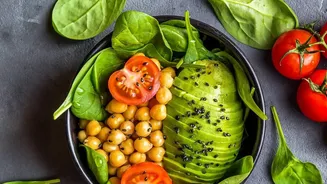
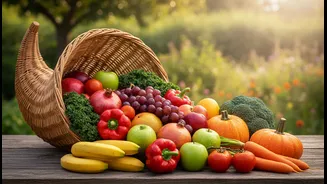
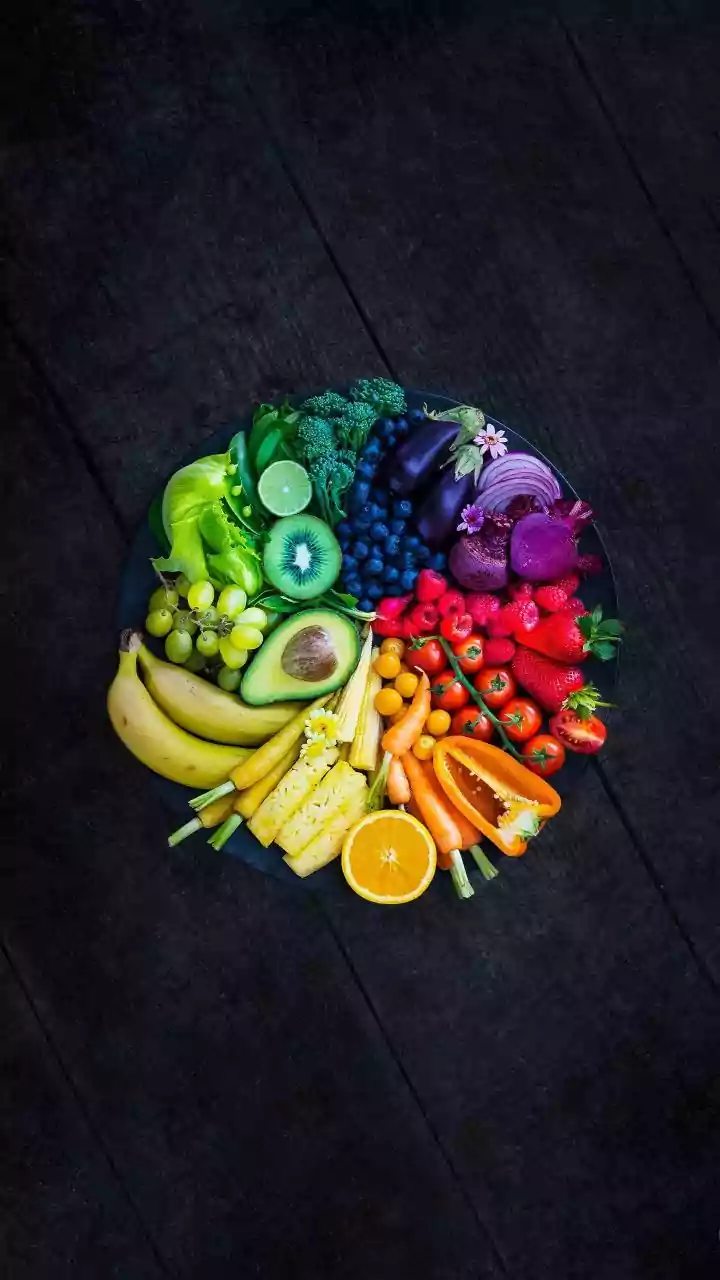
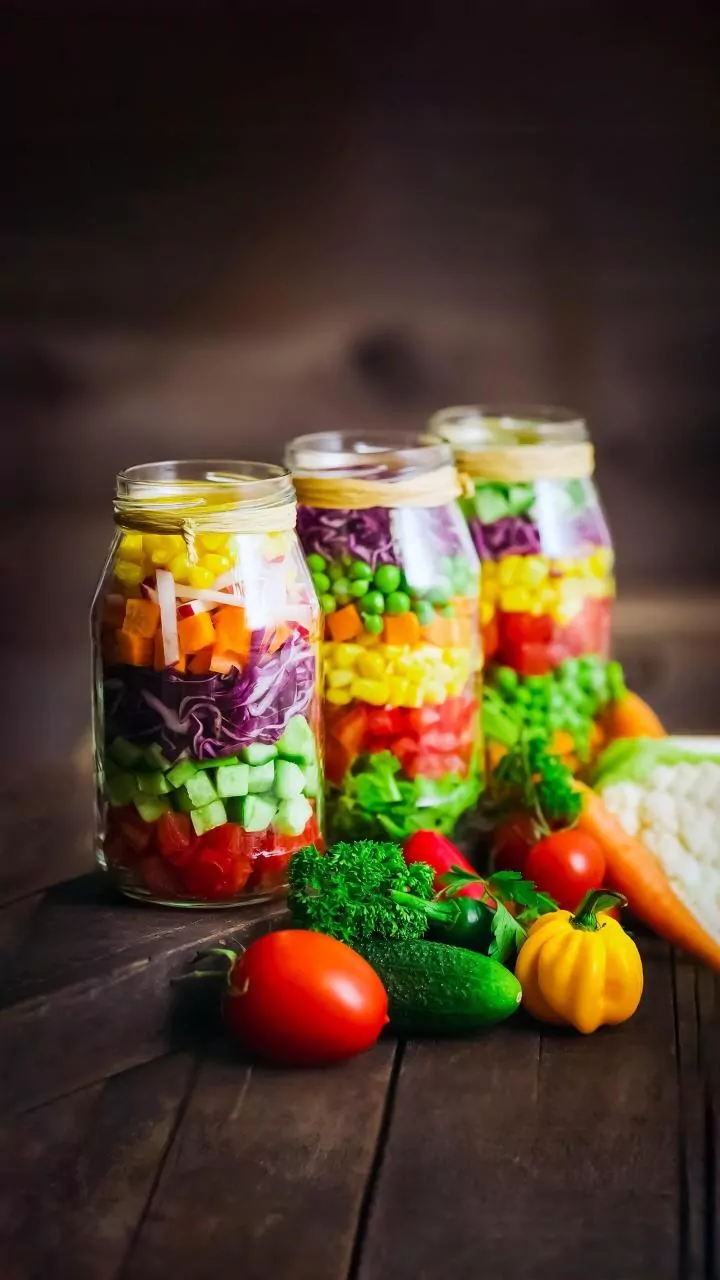
For years, our idea of food security was dominated by grain production and public distribution systems. These are vital for fighting hunger, but they mainly address calorie needs through staples like rice and wheat. The FAO's new approach is more realistic because it acknowledges that a truly healthy diet requires a diverse range of foods, including fruits, vegetables, legumes, and animal-source proteins. The report found that globally, these nutritious foods are what drive up the cost of eating well. While staples are relatively cheap, animal-source foods and vegetables are the most expensive components of a healthy diet, creating a significant affordability gap for many families.
The Sobering Numbers for India
The global findings paint a stark picture: a healthy diet costs an average of $4.28 (in purchasing power) per person per day, a price that is unaffordable for nearly one-third of the world's population. While the SOFI report notes India has made strong progress in overall food availability, ensuring every household can afford a truly nutritious diet remains a key policy challenge. Domestic data echoes this. An analysis by IndiaSpend in late 2025 estimated that a basic, nutritious vegetarian meal for a family of four costs around Rs 6,500 per month on average, but even this can vary dramatically between states. For instance, the same food basket was found to be cheapest in Madhya Pradesh and most expensive in the Andaman and Nicobar Islands.
The Affordability Gap Explained
The FAO report highlights the 'affordability gap'—the difference between household income and the cost of a healthy diet. It's not about a lack of food in the world, but the sharply unequal purchasing power of families. Many government policies have historically subsidized calories, making rice and wheat cheap, but this has not made a diverse, nutrient-rich diet more accessible. When prices for vegetables, dal, or milk rise, families on a tight budget are often forced to cut back on these nutritious items first, relying more heavily on cheaper carbohydrates. This is the reality the FAO's new evidence base brings into sharp focus.
What Can We Do About It?
The report isn't just about bad news; it's a call for smarter policies. The FAO suggests that improving supply chains and local infrastructure is crucial, as up to 75 percent of food costs are added after the products leave the farm. For households, the takeaway is about informed choices. While systemic issues need government action, a better understanding of nutrition can guide smarter spending. Prioritizing seasonal and local vegetables, relying on diverse pulses for protein, and minimizing processed foods can help stretch a food budget further. The goal is to maximize nutritional value for every rupee spent, a strategy that becomes easier when we have a realistic picture of the costs involved.