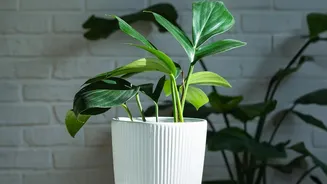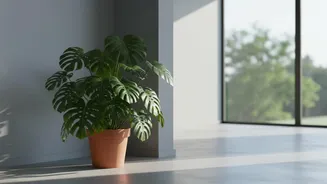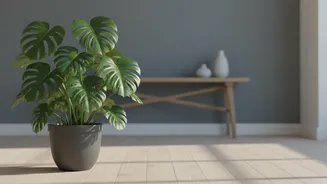



The Purpose of the Potted Plant Pirouette
Let's be clear: rotating your houseplants isn't a bad habit. In fact, it serves a real purpose. Plants are phototropic, meaning they naturally grow towards their light source. If a plant sits in the same spot day after day, the side facing the window
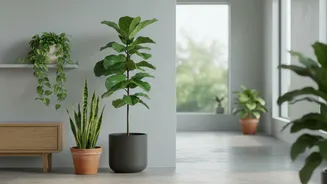
will get all the action, leading to a lopsided, leaning plant that looks like it's trying to escape. Giving your plant a regular quarter-turn, perhaps every time you water it, encourages even, symmetrical growth, resulting in a fuller and more structurally sound specimen. This also ensures better airflow around the entire plant. Think of it as ensuring your plant has good posture. But posture isn't the same as nutrition, and for a plant, light is the main course.
When Turning Is Just a Temporary Fix
The problem arises when we mistake rotation as a solution for a much bigger issue: a fundamental lack of light. Photosynthesis, the process where plants convert light into energy to live and grow, is non-negotiable. If your plant is in a corner that's too dark, turning it simply means you're showing a different side of a starving plant to the same dim conditions. No amount of rotation can create light where there isn't enough. It's like trying to get a tan in a basement by slowly turning around. The core issue—the lack of light—remains unsolved. The plant needs more energy, not just a different angle.
Signs Your Plant Is Crying Out for More Light
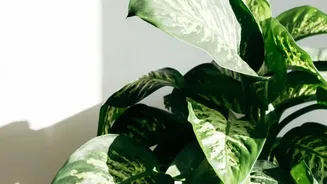
Your plant will tell you when it's not getting enough light. One of the most obvious signs is 'legginess' or etiolation, where stems become long and stretched with sparse leaves set far apart. This is the plant physically reaching for a light source. You might also notice that new leaves are smaller than older ones, or that a variegated plant, like a Money Plant with yellow splashes, starts producing solid green leaves. This is the plant's attempt to maximize chlorophyll to capture more of the limited available light. Other signs include yellowing and dropping of lower leaves, a lack of new growth during the growing season, and soil that stays wet for a long time because the plant isn't using much water for photosynthesis.
Become a Light Detective in Your Own Home
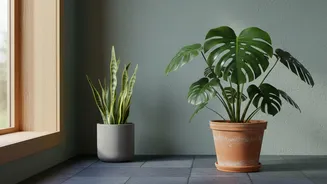
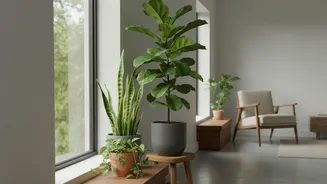
Understanding the light in your home is the most crucial step. North-facing windows offer the lowest, most indirect light, suitable for plants like the Snake Plant and ZZ Plant. East-facing windows provide gentle morning sun, great for many common houseplants like Ferns or Peace Lilies. West-facing windows get strong afternoon sun, while south-facing windows provide the most intense light all day, perfect for light-lovers like succulents, Aloe Vera, and cacti. But remember, light intensity drops dramatically with every foot you move away from the window. A spot that seems bright to you might be considered low light for a plant.
Matching Plants to Your Space
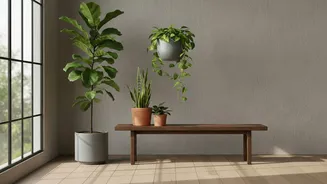
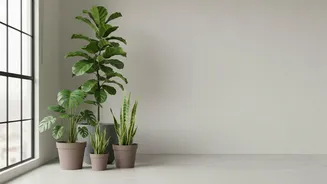
Instead of forcing a plant to survive in the wrong spot, choose a plant that suits the light you have. In India, many popular houseplants are wonderfully adaptable. The hardy Snake Plant and Money Plant (Pothos) can tolerate lower light conditions, making them great for spots further from a window. Areca Palms and Spider Plants thrive in bright, indirect light, like that from an east-facing window or a few feet back from a west-facing one. If you have a bright, sunny sill, it's the perfect home for an Aloe Vera plant. By matching the plant to the place, you set it up for success from day one.
Simple Steps to Brighter Living
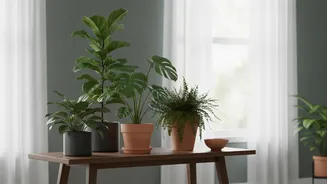
If you discover your plant needs more light, moving it is the best solution. Place it closer to a suitable window. Keep the leaves clean and free of dust, as a dirty surface can block light from reaching the leaf. You can even place a mirror or a white surface behind the plant to reflect more light back onto its shaded side. If your home genuinely lacks natural light, consider investing in a simple full-spectrum grow light. These have become much more affordable and can provide the necessary light spectrum for healthy growth, even in the darkest corner.