


Darjeeling Himalayan Railway, West Bengal
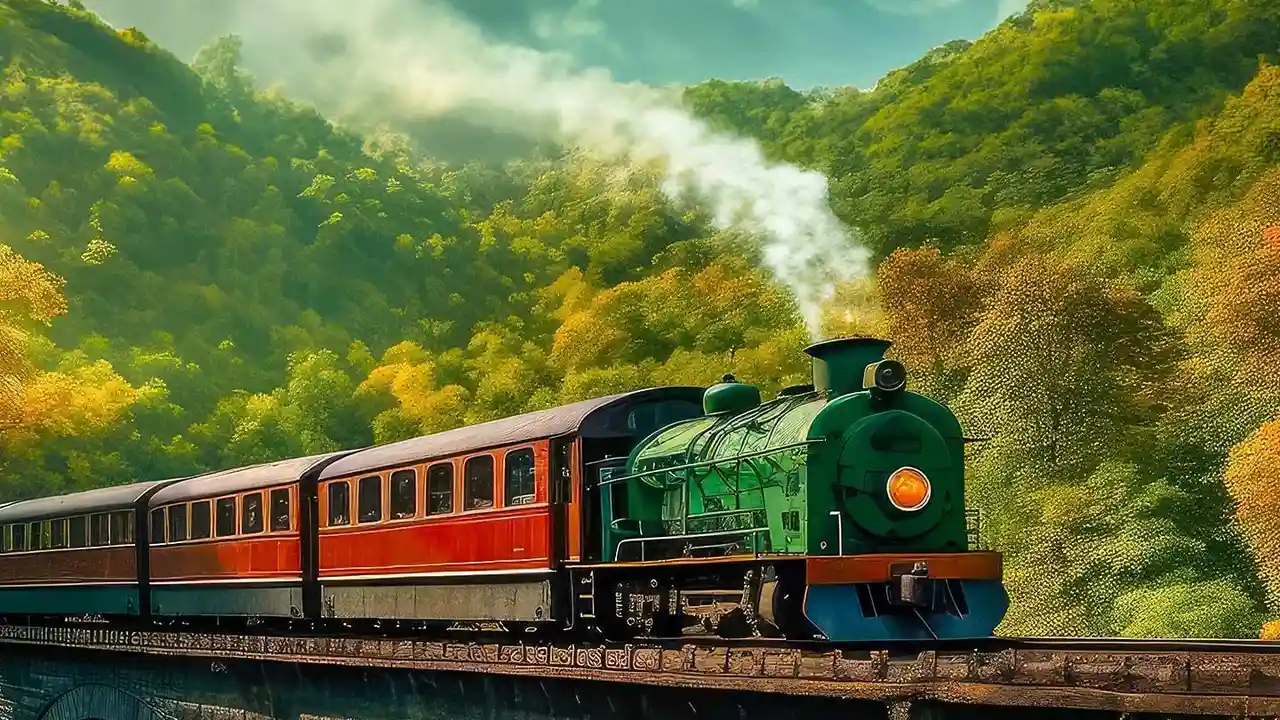
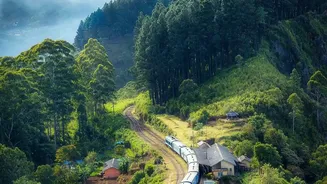
Affectionately known as the 'Toy Train', this UNESCO World Heritage Site is a journey back in time. The narrow-gauge line, built between 1879 and 1881, navigates the steep Himalayan foothills with incredible ingenuity. Pulled by a tiny, whistling steam
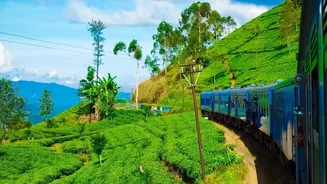
or diesel engine, the train chugs from New Jalpaiguri to Darjeeling, covering 88 kilometres of breathtaking terrain. It passes so close to village homes and markets that you feel part of the scenery. The most famous section is the Batasia Loop, an engineering marvel that allows the train to handle a sharp descent while offering a panoramic view of Darjeeling with the majestic Kanchenjunga in the background. It’s a slow, romantic ride through misty tea gardens and pine-clad hills.
Kalka-Shimla Railway, Himachal Pradesh
Another UNESCO World Heritage treasure, the Kalka-Shimla Railway is a testament to engineering grit from the British era. Built in 1903 to connect the summer capital of Shimla, the train climbs over 1,400 metres in about five hours. The journey is a cinematic experience, taking you through 102 tunnels, across more than 800 bridges, and around 900 sharp curves. The windows frame a constantly changing vista of pine forests, lush valleys, and charming colonial-era stations like Barog, which is near the route's longest tunnel. As the 'Himalayan Queen' leisurely winds its way up the Shivalik hills, you leave the plains behind for the cool, crisp air of the mountains, arriving in Shimla with a sense of wonder.
Nilgiri Mountain Railway, Tamil Nadu
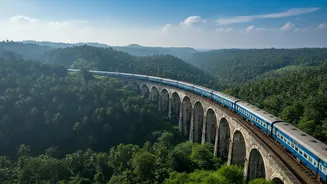
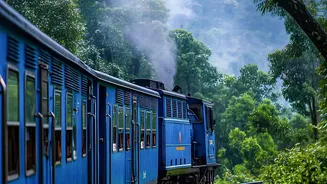
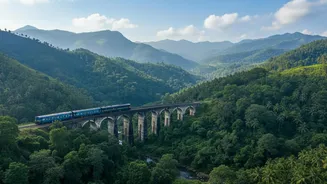
This is the only rack railway in India, using a special toothed track to climb the steepest slopes of the Nilgiri Hills. A journey on this UNESCO-listed 'toy train' from Mettupalayam to Ooty is like riding into a picture book. The charming blue and cream coaches are pulled through dense forests, across verdant tea plantations, and over dozens of bridges. The five-hour journey allows you to fully absorb the beauty of the 'Blue Mountains'. Instead of rushing, the train takes its time, offering ample opportunities to watch the landscape unfold, from the plains to the hill station of Ooty, which sits at an altitude of over 2,200 metres.
The Mandovi Express (Mumbai to Goa)
Connecting two of India's most vibrant destinations, the journey on the Konkan Railway route is as spectacular as Goa itself. The Mandovi Express glides along the country's western coast, offering a dramatic contrast of scenery. The trip begins amidst the urban sprawl of Mumbai and slowly gives way to the serene beauty of the Konkan region. The train crosses almost 2,000 bridges and passes through 92 tunnels carved into the Sahyadri hills. One moment you are looking out at tranquil rivers and the next you are plunged into darkness, only to emerge to stunning views of emerald forests and glimpses of the Arabian Sea. During the monsoon, the journey is especially magical, with countless waterfalls cascading down the hillsides, often just metres from the tracks.
Vasco da Gama to Londa
For those seeking one of the most dramatic sights on the Indian Railways network, this journey through the Western Ghats is a must. The route is famous for its incredible view of the Dudhsagar Falls, one of India's tallest waterfalls. Translating to 'Sea of Milk', the falls are at their most powerful and spectacular during the monsoon season. As the train slows and crosses a bridge arched in front of the cascade, passengers are treated to a breathtaking, misty view of water thundering down from a height of over 300 metres. The entire journey from Vasco in Goa to Londa in Karnataka is a feast for the eyes, winding through thick, green forests and a series of tunnels that make the final reveal of the falls even more impressive.