



A 22% Shortfall
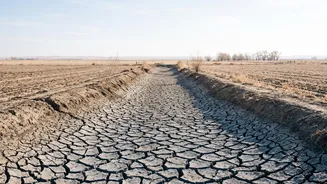
Pakistan's Indus River System Authority (IRSA) has projected an overall water shortage of 22% for the Rabi season, which runs from October 2026 to March 2027. This deficit is expected to primarily impact the country's agricultural powerhouses, the provinces
of Punjab and Sindh, which are responsible for the vast majority of Pakistan's food production. The advisory committee for IRSA approved this estimate in a meeting on October 6, 2026, setting the stage for a tense season of water management as farmers begin sowing critical crops. Since the provinces of Khyber Pakhtunkhwa and Balochistan are typically exempted from cuts under the national water accord, the burden of the shortage will fall squarely on the farmers in Punjab and Sindh.
Why the Rabi Season is Critical
The Rabi season is the winter planting period in the subcontinent, and its success is fundamental to Pakistan's food security. The primary crop grown during this time is wheat, the country's main staple food. Other important crops include gram, barley, lentils, and mustard. More than 80% of Pakistan's agriculture relies on the irrigation network fed by the Indus River and its tributaries. Any disruption to this water supply during the Rabi season can have a direct and severe impact on crop yields, farmers' incomes, and, ultimately, food availability and prices for millions of people.
Roots of the Water Scarcity
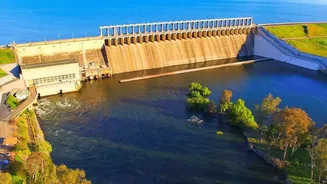
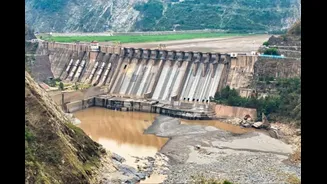
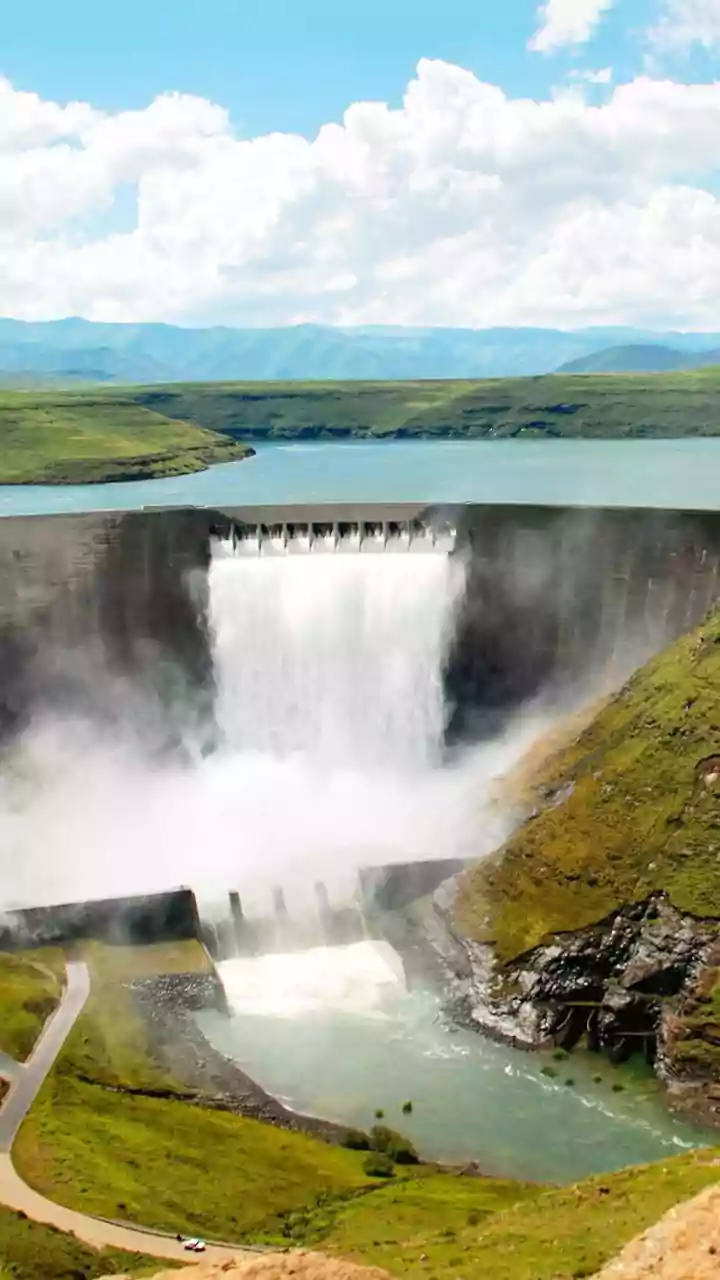
The current water pressure stems from several interconnected factors. A major cause is lower-than-expected water inflows during the preceding Kharif (summer) season. River inflows were 8% below projections and a staggering 22% lower than the previous year. This has left the country's major reservoirs, including Tarbela and Mangla dams, with significantly less water in storage compared to previous years. At the end of September 2026, total water storage was 9.343 million acre-feet (MAF), well below the 13.214 MAF stored at the same time in 2025 and also below the ten-year average. Delays in key infrastructure projects on the Tarbela dam have also been blamed for aggravating the shortages, as they prevented the storage of over three million acre-feet of water.
The Knock-On Effect for Farmers and Food Prices
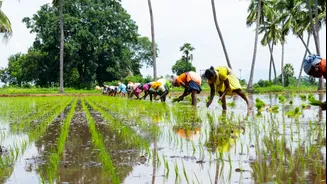
This water shortage puts immense pressure on farmers. They face difficult choices: either spend more money on pumping groundwater to irrigate their fields, which raises costs, or risk significantly lower crop yields. This situation is particularly concerning given that last year's wheat harvest already fell short of its target by over two million tonnes, forcing the government to plan for wheat imports. If the upcoming Rabi harvest also underperforms due to water stress, it could lead to further reliance on costly imports, putting a strain on Pakistan's foreign exchange reserves. For ordinary citizens, the most immediate impact could be a further rise in the price of flour, which had already increased by over 30% year-on-year as of September 2026.