







The Core Problem: Agricultural Protection
The primary reason for any inspection rule is biosecurity. The United States Department of Agriculture (USDA) is tasked with protecting American farms from foreign pests that could devastate local crops. For mangoes from India, the chief concern has historically
been non-native pests like the fruit fly. An infestation could lead to massive agricultural losses, particularly in fruit-growing states like California and Florida. Before 2007, these pest risks led to a long-standing de facto ban on fresh Indian mangoes, as no approved protocol was in place to mitigate the threat.
The First Solution: Irradiation and Pre-Clearance
A breakthrough came in 2007 when the two countries agreed on a robust system to ensure safety. This system had two key parts. First, all US-bound mangoes had to be treated with a low dose of radiation at a USDA-approved facility in India. This process, called irradiation, sterilises any potential pests, making them unable to reproduce and thus neutralising the threat. Second, the process was supervised in India by inspectors from the USDA's Animal and Plant Health Inspection Service (APHIS). This 'pre-clearance' program meant the fruit was certified as safe before it even left India, streamlining its arrival in the US.
How the Pandemic Broke the System
For years, this pre-clearance model worked well. But in 2020, the COVID-19 pandemic brought international travel to a standstill. USDA inspectors were no longer able to travel to India to oversee the irradiation facilities. Without the on-site American inspectors, the pre-clearance agreement could not be fulfilled, and exports of fresh mangoes to the US were halted for two years. This demonstrated a critical vulnerability in the supply chain: its reliance on the physical presence of foreign inspectors.
The New Rules: A Shift in Oversight
To resolve the impasse and create a more resilient system, India and the US negotiated a new framework agreement in late 2021. The new rules, which took effect in 2022, represent a significant shift in trust and responsibility. Under the new arrangement, the mandatory irradiation treatment continues, but the direct, on-site supervision by USDA inspectors is no longer required. Instead, India's National Plant Protection Organization (NPPO) is responsible for ensuring that the facilities and processes meet the stringent standards agreed upon by both countries. This is known as an 'oversight transfer'. While the USDA still inspects the fruit upon arrival, the pre-departure clearance is now an Indian responsibility, allowing trade to resume without depending on the ability of US inspectors to travel.
What This Means for the Mango Trade
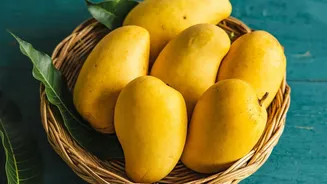
The new agreement was a win-win. For India, it streamlined the export process, removed a significant logistical hurdle, and placed greater trust in its own regulatory bodies. It allowed the export of beloved varieties like Alphonso, Kesar, Banganapalli, and Langra to resume, with export volumes expected to grow significantly. For the US, it ensured that its strict phytosanitary standards were still being met without the logistical and financial burden of deploying inspectors abroad during a global crisis. The change allows American consumers to once again enjoy Indian mangoes, a small but delicious piece of international trade that relies on a foundation of scientific rigour and diplomatic trust.