






An Unprecedented Fleet Expansion
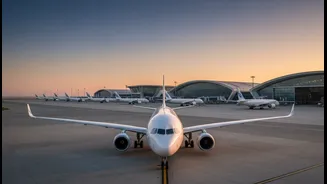
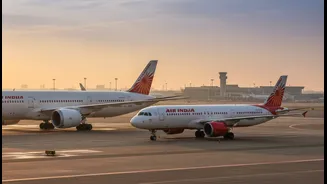
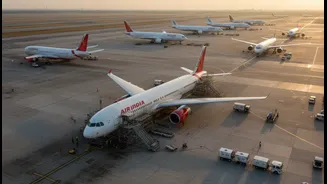
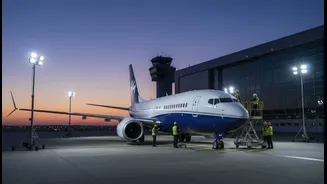
Since its acquisition by the Tata Group, the Air India Group, which includes Air India and its low-cost carrier Air India Express, has placed historic orders for new aircraft. The group has a total order book of nearly 600 planes from Airbus and Boeing,
one of the largest ever recorded in aviation history. This includes a mix of narrow-body jets like the Airbus A320neo family and Boeing 737 MAX, and wide-body aircraft such as the Airbus A350, Boeing 787 Dreamliner, and Boeing 777X. The goal is to rapidly expand its network and modernise a fleet that had aged under previous ownership. Deliveries are gathering pace, with the group expecting to induct 50 to 60 new aircraft every year for the next seven to eight years. This includes both mainline Air India and Air India Express, which is set to grow its fleet to 170 aircraft in the coming years.
Breathing New Life into Existing Cabins
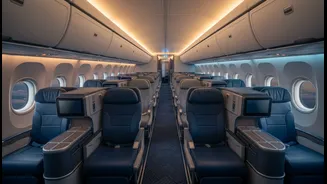
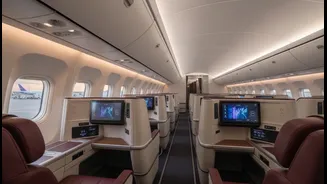
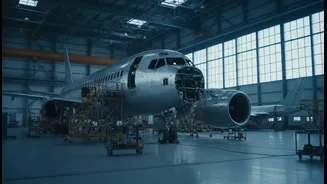
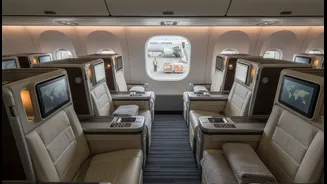
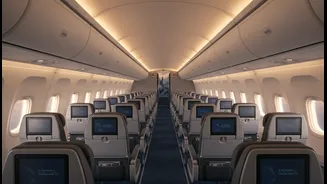
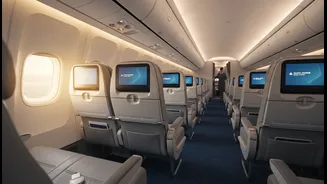
While waiting for hundreds of new planes to arrive, the airline group is not letting its current passenger experience lag. A comprehensive, $400 million retrofitting program is underway to upgrade the cabins of its legacy wide-body fleet, particularly the Boeing 777s and 787 Dreamliners that fly long-haul international routes. These aircraft are being fitted with completely new interiors, including modern seats, new in-flight entertainment systems, and for the first time on many routes, a Premium Economy cabin. The first retrofitted Boeing 787s are already entering service on European routes. Similarly, the narrow-body fleet of A320 family aircraft has also seen significant upgrades, bringing a more consistent and comfortable product to domestic and short-haul international travellers. This ensures that passengers experience a 'New Air India' feel, whether they are on a brand-new plane or a newly refurbished one.
The Dual-Pronged Strategy
Investing in both new aircraft and cabin refurbishments simultaneously is a complex but necessary strategy. Aircraft orders of this magnitude have long delivery timelines, often stretching over a decade. Relying solely on new deliveries would mean operating with outdated cabins for years, making it difficult to compete with global carriers known for their premium products. By retrofitting the existing fleet, Air India can immediately elevate its product standard, address customer complaints about tired interiors, and begin commanding better yields. This two-pronged approach allows the airline to improve its competitive standing in the short term while building a foundation for long-term growth. It harmonises the product across the entire fleet, ensuring that a passenger's experience is consistent regardless of the aircraft's age. This is crucial for rebuilding brand trust and reclaiming market share on lucrative international routes.
What This Means for Passengers
For travellers, this massive overhaul translates into tangible benefits. The introduction of Premium Economy on many long-haul routes offers a new choice for those seeking more comfort than Economy without the price of Business Class. New and retrofitted cabins feature seats with more comfort and amenities like charging ports. The refurbished Boeing 787 and 777 aircraft will feature modern Business Class cabins with fully flat beds and, in some cases, privacy doors. Beyond the aircraft themselves, the transformation extends to the ground experience. Air India is rolling out new premium 'Maharaja' lounges at key hubs like Delhi and San Francisco, offering a vastly improved pre-flight experience for eligible passengers. This holistic investment in both hardware and service aims to make Air India a world-class airline that can compete with the best in the industry.