








The Fear of the Unknown
The suspicion towards long ingredient lists often stems from a fear of 'chemicals'. Marketers sometimes fuel this by using vague terms like 'clean' or 'all-natural', which can imply that products with scientific-sounding names are somehow 'dirty' or dangerous.
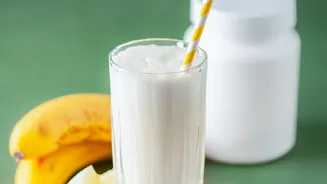
But the truth is, everything is made of chemicals, including a simple banana, which contains components like isoamyl acetate and hexanal. Many seemingly intimidating names are just the scientific terms for familiar substances. For instance, ascorbic acid is simply Vitamin C, and sodium bicarbonate is baking soda. This fear, while understandable, can lead us to judge a food by the length of its ingredient list rather than its actual nutritional content.
Ingredients with a Purpose
Many of those long-named ingredients are food additives that perform specific, important jobs to keep food safe, tasty, and affordable. They are used for a variety of functions. Preservatives like sodium benzoate slow down spoilage from mould or bacteria, helping to prevent foodborne illness. Emulsifiers, such as lecithin or guar gum, help mix ingredients like oil and water that would normally separate, giving products like salad dressings and mayonnaise a consistent texture. Stabilisers and thickeners do a similar job, ensuring foods maintain their expected consistency. Other additives might include antioxidants to stop fats from going rancid, fortifying agents like vitamins and minerals to improve nutritional value, and raising agents that help baked goods rise.
The Role of Regulation
Before an additive can be used in food, it must undergo rigorous safety evaluations by regulatory bodies. In India, the Food Safety and Standards Authority of India (FSSAI) oversees this process, setting rules for which additives can be used, in what types of food, and at what maximum levels. These authorities determine what is considered a safe amount for consumption. The goal is to ensure that even with cumulative exposure from various foods, the intake of any single additive remains well within a safe range. This regulatory oversight is a key reason why an approved ingredient, no matter how strange its name sounds, is considered safe for consumption.
When a Long List Can Be a Red Flag
This isn't to say all long ingredient lists are harmless. The concern shouldn't be the number of ingredients, but the type of ingredients. A long list can indeed be a red flag if it’s dominated by multiple forms of added sugar, excessive sodium, and unhealthy fats like partially hydrogenated oils. Ingredients on a food label are listed in descending order by weight, so the first few items make up the bulk of the product. If you see sugar, corn syrup, maltodextrin, and salt near the top of the list, it's a good sign the product is high in things you should limit. These are often features of ultra-processed foods, which are formulated to be hyper-palatable but may offer little nutritional value.
How to Be a Smarter Shopper
Instead of just counting ingredients, learn to read the label for what truly matters. First, scan the top of the ingredient list. Are the first few items whole foods you recognise, like whole wheat, oats, or vegetables? Second, check the Nutrition Facts panel. Pay attention to the amounts of added sugars, sodium, and saturated fat, using the % Daily Value as a guide. A value of 5% or less is considered low, while 20% or more is high. The goal is not to demonise all processed foods, but to make informed choices. A fortified breakfast cereal with a longer list might be a better choice than a 'natural' snack bar that's mostly sugar. The key is to look beyond the marketing and understand the substance of what you are eating.