







Guardians of an Ancient Grain
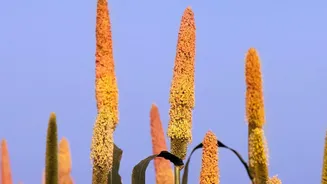
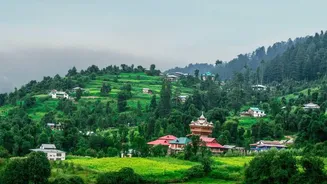
Across the states of Nagaland, Meghalaya, Arunachal Pradesh, and beyond, indigenous communities are the custodians of a remarkable agricultural legacy. A recent study highlighted that these communities have preserved more than 20 species of millets, not
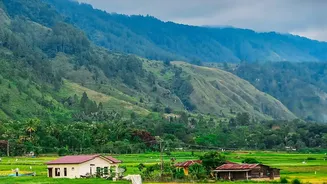
as museum relics, but as a core part of their existence. Groups like the Khasi, Garo, and Jaintia in Meghalaya, and various Naga tribes such as the Yimkhiung, have cultivated diverse millets for generations. In Nagaland, women's collectives, sometimes known as 'Millet Sisters', have been instrumental in reviving heirloom seeds that were at risk of disappearing. These efforts are a powerful reminder that much of India's oldest agricultural expertise has been continuously practised in the hills of the Northeast.
More Than Just Food
For these communities, millets are intrinsically linked to cultural identity. Their importance extends far beyond the kitchen plate. The agricultural cycle is marked by vibrant festivals, such as the Metümnyo festival among the Yimkhiung in Nagaland, which celebrates the millet harvest. During these ceremonies, millet is used in prayers, thanksgiving rituals, and to brew traditional beverages that are central to community bonding. In Arunachal Pradesh and Assam, millets like finger millet and foxtail millet are fermented to create 'apong', a traditional beer. This deep integration of millets into social and spiritual life is what has ensured their survival through centuries, even as modern agricultural trends shifted focus to other crops.
A Blueprint for Climate Resilience
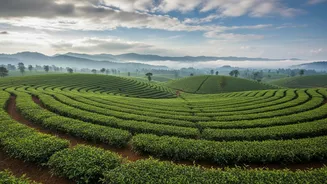
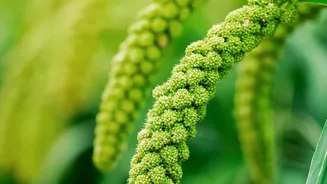
The traditional farming methods used to cultivate these millets offer critical lessons for modern agriculture. For generations, farmers in the Northeast have practised 'jhum' or shifting cultivation, a form of mixed cropping. They cultivated different varieties like foxtail millet, finger millet, and Job's tears alongside pulses and vegetables. This created a diverse and resilient farming system that enriched biodiversity and ensured food stability. Millets are famously hardy, requiring far less water than rice, and are capable of withstanding harsh weather and poor soil—making them a climate-smart crop. As science now catches up to what these communities have known for ages, their practices are being seen as a vital solution to the challenges of food security in a changing climate.
The Future is Rooted in Tradition
The revival and preservation of millets in the Northeast is not about looking backward, but about carrying ancient wisdom into the future. While government policies and global trends are now championing millets, the groundwork has been laid by these communities for centuries. However, the keepers of this knowledge face challenges, including the loss of indigenous seeds, lack of market linkages, and the gradual erosion of traditional practices as younger generations' tastes change. Organisations like the North East Network (NEN) are working to support these communities, helping to document seed varieties and promote millet-based products. This quiet, persistent effort ensures that India's millet revolution has deep roots, nourished by the living traditions of the Northeast.