



The Allure of the Untamed Pantry
The farm-to-table movement has a new, wilder sibling: forest-to-table. This growing trend is driven by a desire for unique flavours that cannot be cultivated, a deeper connection to nature, and a commitment to seasonality. Foraging, the practice of gathering
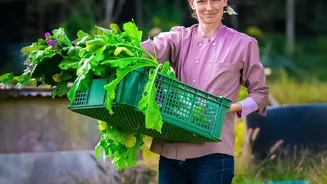
food from the wild, has been a part of India's tribal and rural communities for generations. Now, it's capturing the imagination of urban foodies. Chefs are incorporating everything from wild mushrooms and hillside herbs to forest flowers and bamboo shoots into their dishes, creating a 'sense of place' on the plate that tells a story about the landscape it came from. This movement isn't just about novelty; it's a celebration of biodiversity and traditional knowledge that has been at risk of disappearing.
A Taste of India's Wild Side
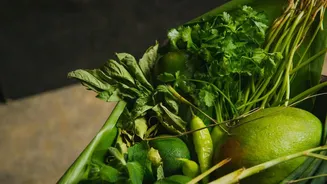
India's diverse ecosystems offer a vast, seasonal larder for those who know where to look. In the Himalayas, ingredients like 'lingru' (fiddlehead ferns), morel mushrooms ('gucchi'), and wild berries are prized possessions. The Western Ghats provide a bounty of their own, including wild greens, 'mahua' flowers, and monsoon specialties like 'phodshi' (a delicate grassy green) and 'shevla' (dragon stalk yam). Across the country, communities have long used local flora in their daily meals, from 'gongura' (roselle) leaves in Andhra Pradesh that add a tangy flavour, to the more than 100 varieties of wild edibles used in dishes during Assam's Rongali Bihu festival. These ingredients bring complex, earthy, and intensely local flavours that simply can't be replicated.
The Critical Need for Identification
The romance of foraging comes with a serious, non-negotiable warning: misidentification can be dangerous, even fatal. Many beautiful and seemingly harmless plants in India are highly poisonous. For example, certain toxic wild mushrooms can easily be mistaken for edible varieties. Plants like Oleander, Datura (Jimson Weed), and the Rosary Pea contain potent toxins that can cause severe illness or death if ingested. The rule for any forager, beginner or expert, is absolute certainty. There is no room for guesswork. Learning to identify plants requires careful study using multiple credible sources, and ideally, guidance from an experienced local forager. The adage “when in doubt, leave it out” is a life-saving principle in the world of wild food.
The Forager's Code of Conduct
Beyond personal safety, responsible foraging is about ecological respect. Sustainable harvesting is crucial to ensure that wild plant populations can continue to thrive for generations to come. A core principle is to take only what you need and never more than a small fraction (a common rule of thumb is 5-20%) of what is available in a given patch. This leaves enough for the plant to regenerate and for wildlife to feed on. Ethical foragers also avoid damaging the plant or its surroundings, often using scissors to snip leaves or stems rather than uprooting the entire plant. It’s also vital to be aware of local regulations, as foraging is prohibited in some areas like national parks, and to never harvest endangered or protected species.
How to Begin Your Foraging Journey
For those curious about exploring nature's pantry, the best first step is education. Start by learning to identify one or two common, easily recognisable plants in your area that do not have poisonous look-alikes. Joining a guided foraging walk with a local expert or community group is one of the safest ways to learn. These walks provide hands-on experience in identification and ethical harvesting practices. Several organisations and chefs across India now offer such experiences, collaborating with local communities to preserve and share this traditional knowledge. By prioritising learning and safety, you can begin to appreciate the incredible, edible world growing right outside your door.