





The Scale: Hormuz, The World's Oil Artery
The Strait of Hormuz is arguably the most important chokepoint for the global oil trade. This narrow channel, separating Iran and Oman, is the only sea passage from the Persian Gulf to the open ocean. Before the recent escalation in regional conflicts,
it handled about a fifth of the world's total petroleum consumption and a significant portion of its liquefied natural gas (LNG). For energy-hungry nations, its stability is paramount. The alternatives for bypassing Hormuz are extremely limited and cannot handle the sheer volume of oil that flows through it daily. Any disruption, from political tensions to military blockades, immediately triggers a spike in global energy prices, shipping insurance, and freight rates, creating chaos for supply chains worldwide.
The Scale: Bab el-Mandeb, Gateway to Europe
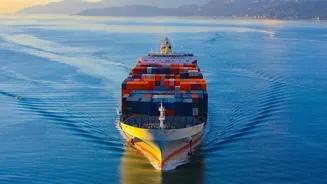
Connecting the Red Sea to the Gulf of Aden and the Indian Ocean, the Bab el-Mandeb strait is a cornerstone of the Asia-Europe trade route. Its name translates to "Gate of Grief," hinting at the historical dangers of its navigation. Today, the dangers are geopolitical. The strait is the southern entry point to the corridor that leads to the Suez Canal. Roughly 15% of all global maritime trade passes through this route, including about a quarter of all container traffic carrying everything from electronics to food. While it sees less oil than Hormuz, it is a crucial conduit for goods moving between the world's biggest manufacturing hubs and consumer markets. For vessels to bypass Bab el-Mandeb, they must take the long and costly journey around the southern tip of Africa, adding weeks and significant fuel costs to their voyages.
The News: A State of High Alert
The security situation in both straits is currently highly volatile. In early August 2026, Iran's top security council official stated that the Strait of Hormuz will not reopen until Washington meets its conditions, following the collapse of a temporary understanding and the reimposition of a U.S. naval blockade on Iranian ports. This has led to a dramatic drop in commercial traffic, with Iran reportedly targeting vessels in the waterway. On August 8, an Abu Dhabi National Oil Company (ADNOC) tanker was reportedly struck by an Iranian missile. Simultaneously, the Bab el-Mandeb is facing renewed threats from Yemen's Houthi rebels. On August 11, a missile attack on a commercial vessel killed four crew members, the first such fatalities in the latest round of hostilities. The Houthis have escalated attacks on ships and port cities, raising fears of a wider conflict and further disrupting one of the world's most vital shipping lanes.
The India Connection: A Critical Vulnerability
For India, stability in these two straits is not a distant concern—it's a matter of national economic security. A massive share of India's energy imports, which constitute nearly 85-90% of its crude oil needs, passes through these chokepoints. Specifically, India relies on the Strait of Hormuz for a substantial portion of its crude oil and LNG imports from Gulf producers like Saudi Arabia, Iraq, and Qatar. The Bab el-Mandeb is equally crucial for India's trade with Europe. The recent instability has a direct impact; an Indian-registered vessel was struck in the Red Sea on August 4, although all crew members were rescued. These disruptions lead to higher energy costs, which can fuel domestic inflation, and increased shipping and insurance premiums that pressure Indian companies. In response, the Indian Navy has maintained a presence in the region, including through its long-running 'Operation Sankalp', to safeguard its commercial interests and signal its commitment to maritime security.