





Why A Gradual Transition Is Crucial
For nine days, your body has adapted to a different eating pattern, often involving lighter foods, specific grains, or even just one meal a day. This period of fasting slows down your digestive system as the production of digestive enzymes decreases.
Jumping straight into heavy, oily, or spicy foods can shock your system, leading to uncomfortable issues like bloating, acidity, gas, and indigestion. A gradual and mindful approach is not about restriction; it's about respecting your body's rhythm and ensuring the transition back to a normal diet is smooth and comfortable, allowing you to savour the festive season without feeling unwell.
Hydration Is Your First Step
Before you even think about solid food, focus on rehydrating your body. Start your day with plain water, lemon water, or coconut water. These fluids help kickstart your metabolism and prepare your stomach for digestion without overwhelming it. Buttermilk (chaas) or a bowl of plain curd are also excellent choices. They are not only hydrating but also provide probiotics, which are beneficial for gut health after a period of altered eating. Avoid breaking your fast with sugary juices or caffeinated drinks like coffee, as they can cause a sudden spike in blood sugar or irritate your stomach lining.
Start with Light, Easy-to-Digest Foods
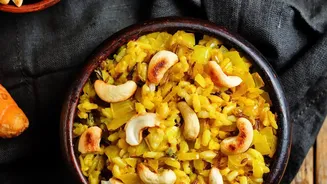
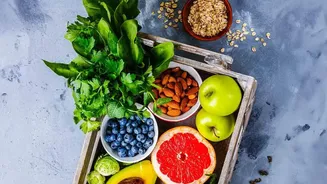
Your first meal post-fasting should be simple and light. Think of foods that are gentle on the stomach. A small bowl of fruit, like papaya or melon, is a great option. A simple, well-cooked vegetable soup or lentil soup is also highly recommended because it is hydrating, nutritious, and easy to digest. For your first proper meal, consider something like khichdi, which combines rice and lentils to provide a balanced mix of carbohydrates and protein without being too heavy. The goal is to provide your body with nourishment in a form it can easily process.
Gradually Reintroduce Grains and Protein
After a fast where many common grains are avoided, it's important to bring them back into your diet slowly. Start with simple options like plain rice or a soft roti before moving on to more complex, fibre-rich grains. Similarly, reintroduce protein gradually. Curd, paneer, and lentils are excellent starting points. These provide essential amino acids to help your body recover and build strength after the fasting period. Including a source of protein in your first few meals helps promote satiety and prevents the urge to overeat.
What to Avoid for the First Day or Two
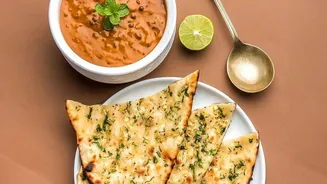
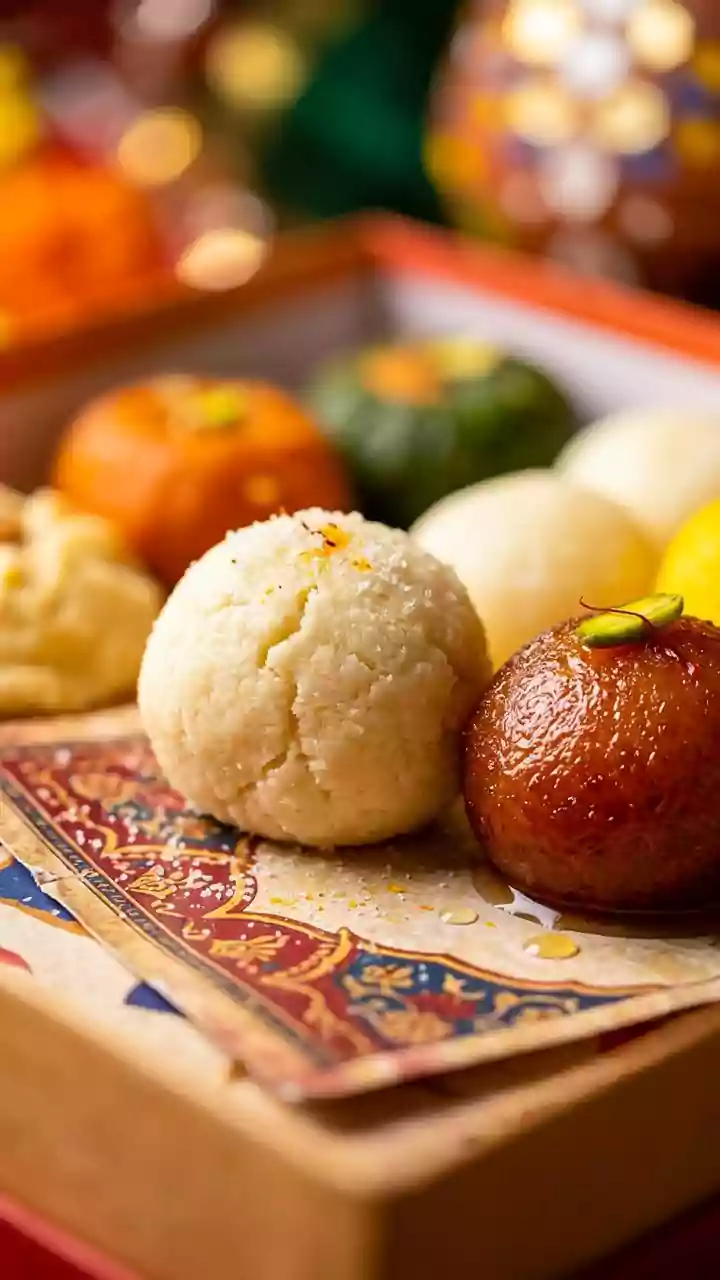
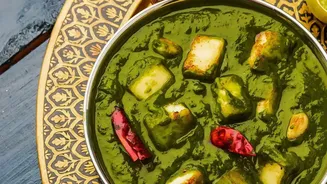
To prevent digestive distress, there are several types of foods you should steer clear of immediately after breaking your fast. Highly processed, deep-fried, and excessively oily foods are at the top of the list. Items like puris, pakoras, and heavy, cream-based curries can be very hard for your rested gut to handle. Also, be cautious with extremely spicy foods and sugary sweets. While festive treats are tempting, they can lead to sharp blood sugar spikes and digestive discomfort. Give your system at least 24 to 48 hours with simpler foods before reintroducing these richer items in moderation.
Listen to Your Body's Signals
The most important rule is to be mindful and listen to your body. Eat slowly, chew your food thoroughly, and pay attention to your hunger and fullness cues. After days of smaller portions, your stomach's capacity might be reduced. Don't force yourself to eat large meals just because the fast is over. Stop when you feel satisfied, not stuffed. If you feel any discomfort, revert to lighter foods and fluids. This mindful approach ensures that you enjoy your food and the festive spirit without paying a price with your health and well-being.