



What Exactly is Teff?
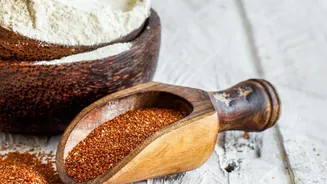
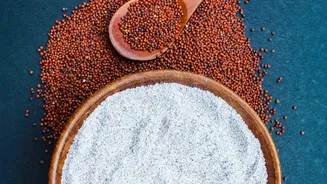
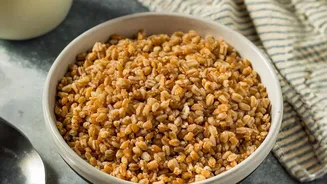
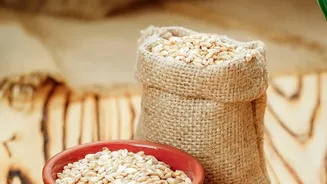
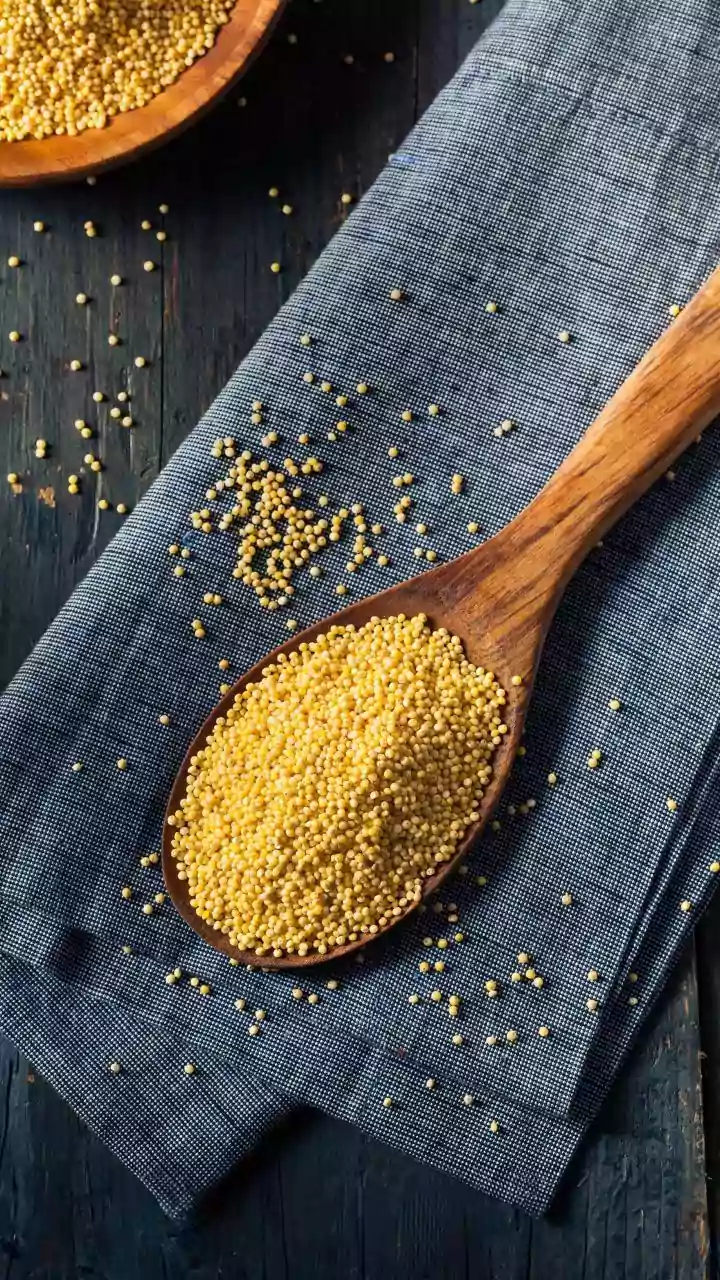
Teff is a tiny, poppy seed-sized grain that has been a staple food in Ethiopia and Eritrea for thousands of years. It's the primary ingredient in injera, a traditional fermented sourdough flatbread. Because the grains are too small to be refined, teff
flour is always whole grain, retaining all its natural bran and germ. This ancient grain comes in various colours, from light ivory to a deep reddish-brown, and has recently gained global popularity as a superfood, especially within gluten-free and health-conscious communities.
A Nutritional Powerhouse
Don't let its small size fool you; teff is packed with nutrients. It is significantly higher in many minerals compared to other grains. It boasts an impressive amount of calcium, with about five times more than whole wheat. Teff is also an excellent source of iron, protein, and dietary fibre. It contains all essential amino acids, the building blocks of protein, making it a high-quality plant-based protein source. Its high fibre content includes resistant starch, which can help with blood sugar management, making it a good option for people with diabetes.
Making the Switch: Baking with Teff
Teff flour has a distinctive flavour—mild, nutty, and slightly sweet, with earthy undertones that can have hints of molasses or chocolate. While it's naturally gluten-free, this also means it behaves differently than wheat flour in baking. Gluten provides structure and elasticity, so using 100% teff flour can result in denser, more crumbly baked goods. For this reason, many bakers find success by starting with a partial substitution. A common recommendation is to replace about 25% of the regular flour in a recipe with teff flour. This ratio introduces teff's nutritional benefits and flavour without dramatically altering the texture.
Perfect Pancakes and Muffins
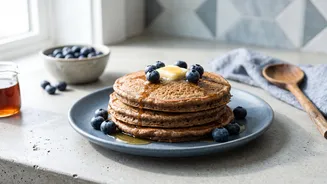
Pancakes and muffins are an excellent starting point for experimenting with teff flour. For these softer items, a higher percentage of teff flour works well. Some recipes suggest a 50/50 split with another gluten-free flour blend for light and fluffy results. Using 100% teff flour is also possible, especially for recipes like pancakes, where a dense structure isn't required. The flour's fine texture can actually make pancakes more tender than those made solely with all-purpose flour. For muffins, substituting 25-50% of the flour with teff will lend a moist texture and a wonderfully rich, nutty flavour.
Tackling Teff Bread
Baking bread with teff flour presents more of a challenge due to the lack of gluten, which is crucial for the rise and chewy texture of conventional bread. When making yeast breads, it is often recommended to limit teff flour to about 20-25% of the total flour to maintain structure. For a fully gluten-free teff bread, recipes often call for binders like xanthan gum or psyllium husk to mimic the properties of gluten. Another approach is to combine teff with other gluten-free flours like buckwheat or almond flour. The result is often a loaf that looks remarkably like whole wheat bread, with a soft, tender crumb and an earthy flavour perfect for sandwiches or toast.