




What are Sub-Orbital Trials?
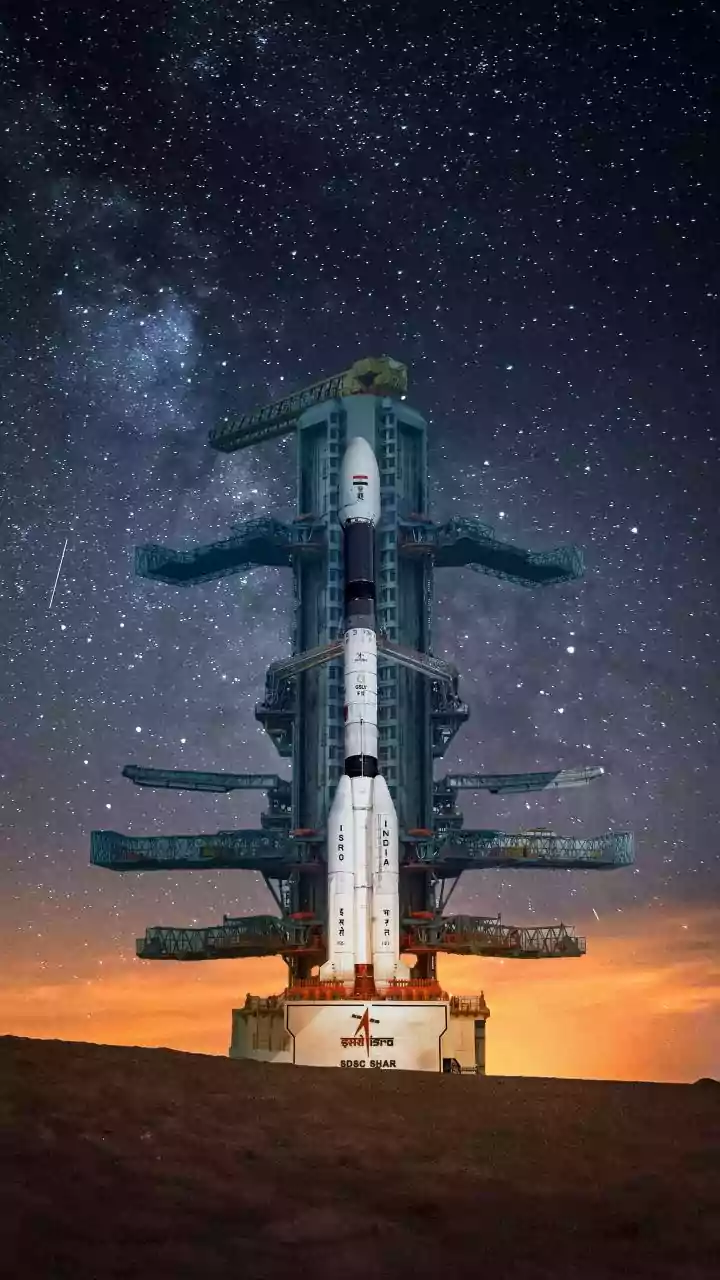
Before ISRO launches astronauts into orbit, every system must be proven safe. The upcoming tests for the Gaganyaan parachute system will happen in a sub-orbital flight. A new test vehicle, named SOLVE (Sub-Orbital Launch Vehicle for Experiments), will carry
a mock-up of the Gaganyaan crew module to an altitude of 10 to 17 kilometres. At this height, the module will separate and begin its descent, kicking off the parachute deployment sequence. This process allows engineers to see how the system performs in real-world conditions—high speeds and atmospheric pressure—without having to go all the way into orbit. It’s a cost-effective and efficient way to gather critical data and validate one of the most important safety features of the entire mission.
The All-Important Parachute System
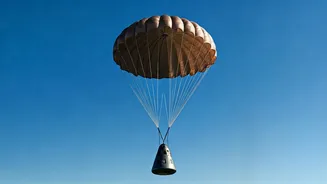
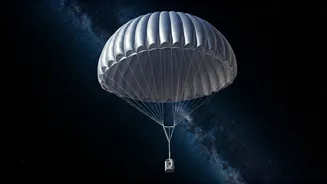
Bringing a space capsule back to Earth is a monumental challenge. The Gaganyaan crew module will re-enter the atmosphere at tremendous speeds, and its only brake is the parachute system. This isn't just one big parachute; it's a precisely choreographed sequence involving 10 different parachutes. The process starts with smaller apex cover separation parachutes, followed by drogue parachutes that stabilize the capsule and make the initial significant reduction in speed. After this, pilot chutes deploy to pull out the three massive main parachutes. These mains are responsible for slowing the module to a gentle splashdown speed. The system is built with redundancy, meaning only two of the three main parachutes are needed for a safe landing, with the third acting as a backup. This entire sequence, developed by ISRO's Vikram Sarabhai Space Centre (VSSC) and the Aerial Delivery Research and Development Establishment (ADRDE), has to work flawlessly.
Why This Test is Critical for Safety
For any human spaceflight mission, there is nothing more important than crew safety. While launching astronauts into space grabs headlines, bringing them back safely is arguably the more complex engineering task. The parachute system is the last and most crucial line of defense for the crew. These sub-orbital trials are designed to simulate various flight conditions and potential failure scenarios to ensure the system is robust and reliable. Previous tests, known as Integrated Air Drop Tests (IADT), have involved dropping the capsule from helicopters. The new SOLVE rocket provides a more realistic test by simulating the speeds and altitudes the capsule will experience after separating from the main launch vehicle. By repeatedly testing this deceleration system, ISRO is building confidence that the Gaganyaan capsule can protect its precious human cargo during the final, critical moments of its journey.
The Road to India's First Crewed Mission
These parachute trials are a significant milestone on the long road to India's first crewed spaceflight, currently anticipated in 2027. The Gaganyaan programme is proceeding through a series of carefully planned steps. Before astronauts step on board, ISRO will conduct multiple uncrewed missions. The first of these will feature Vyommitra, a humanoid robot, to test the life support systems in a real space environment. The data from these uncrewed flights, along with the results from ground tests and sub-orbital trials like the parachute validation, will be meticulously reviewed. Every successful test builds upon the last, taking India one step closer to joining the elite group of nations—the United States, Russia, and China—with the independent capability to send humans into space and bring them back safely.