




A Modern V12 with a Classic Twist
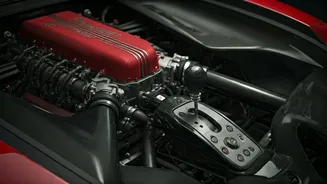
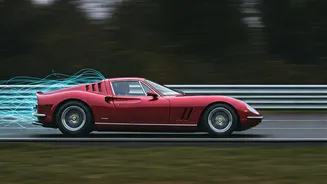
Ferrari has officially pulled the covers off the 12Cilindri Manuale, a limited-edition version of its latest V12 grand tourer. At its heart is the same monstrous, naturally-aspirated 6.5-litre engine found in the standard car, producing a staggering 819
horsepower and revving to a spine-tingling 9,500 rpm. This is a car built around one of the most glorious engines on the planet. But while the standard 12Cilindri channels its power through an eight-speed dual-clutch transmission (DCT), this special model, limited to just 1,499 units, does something extraordinary: it brings back the manual shifter. However, this is not the manual gearbox of old. It’s something far more intriguing.
The Death and Rebirth of the Manual
To understand the significance of this, we have to look back. Ferrari, like other supercar makers, abandoned the traditional manual gearbox because modern dual-clutch automatics are simply faster and better at handling the colossal power of today's engines. The last Ferraris to offer a true three-pedal setup were the California and 599 GTB from over a decade ago, and even then, very few customers ordered them. Yet, enthusiasts have never stopped yearning for the physical engagement and mechanical satisfaction of shifting their own gears, especially the theatre of guiding a metal lever through an open gate. In response, Ferrari didn't just look to the past; it engineered a bridge to the future.
How Manuale By-Wire Really Works
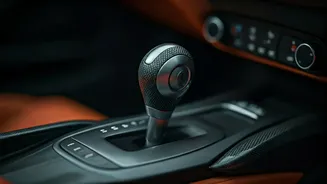
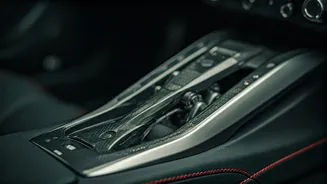
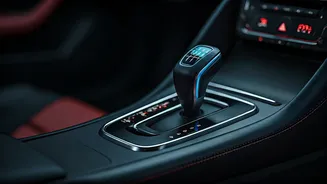
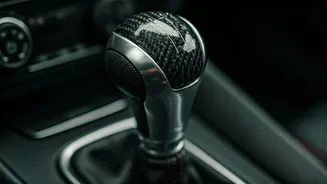
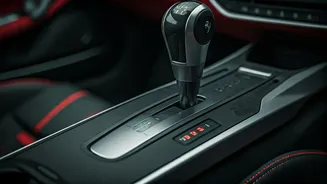
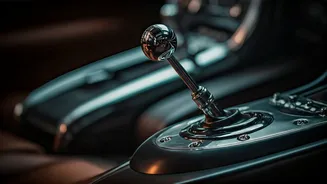
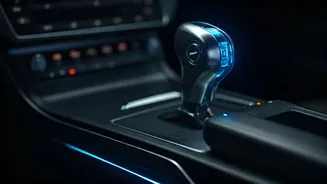
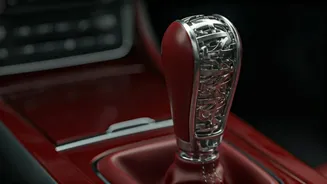
The 12Cilindri Manuale features a groundbreaking 'Manuale By-Wire' system. In the cabin, you’ll find a beautiful, classic-looking H-pattern gated shifter and a full three-pedal setup, including a clutch. But neither the lever nor the pedal has any physical connection to the gearbox. Instead, they are sophisticated electronic controls. When you press the clutch and move the shifter, you are sending digital signals to the car's advanced eight-speed DCT. Ferrari's engineers have worked tirelessly to make this simulation feel real, building in mechanical resistance, haptic feedback, and the satisfying 'clack' of the shifter slotting into gear. The system is so authentic that if you get it wrong—by, say, releasing the clutch too quickly—you can actually stall the car or make it lurch, just like a true manual.
Analogue Soul in a Digital Brain
So, why go to all this trouble? The answer lies in Ferrari’s refusal to compromise. The company knew there was huge demand for a manual experience, but it was unwilling to de-tune its V12 engine to accommodate a traditional gearbox that couldn't handle the full 819 horsepower. This by-wire solution is their way of offering the best of both worlds: the raw, visceral feeling of manual shifting without sacrificing a single horse of performance. The driver gets the analogue soul they crave, with the first six gears operated by the lever, while the car retains its digital brain, ensuring blistering acceleration and modern reliability. It's a system designed for pure driving pleasure, blending nostalgic emotion with cutting-edge technology.
A Gimmick or the Future of Fun?
Inevitably, the system has sparked debate among purists. Is it a true manual experience or the world's most complex and expensive driving simulator? While it may not be a direct mechanical linkage, it is a direct response to what drivers miss most in the modern supercar era: a sense of control, of being a crucial component in the machine's operation. Similar technology has been explored by other boutique manufacturers like Koenigsegg, suggesting a new path forward for driver engagement. It proves that the feeling, the ritual, and the soul of driving are elements worth preserving, even if it means reinventing how they are delivered. In the 12Cilindri Manuale, Ferrari argues that a simulated feeling, when engineered with this level of passion and precision, is just as valid.